
Last updated November 15, 2026
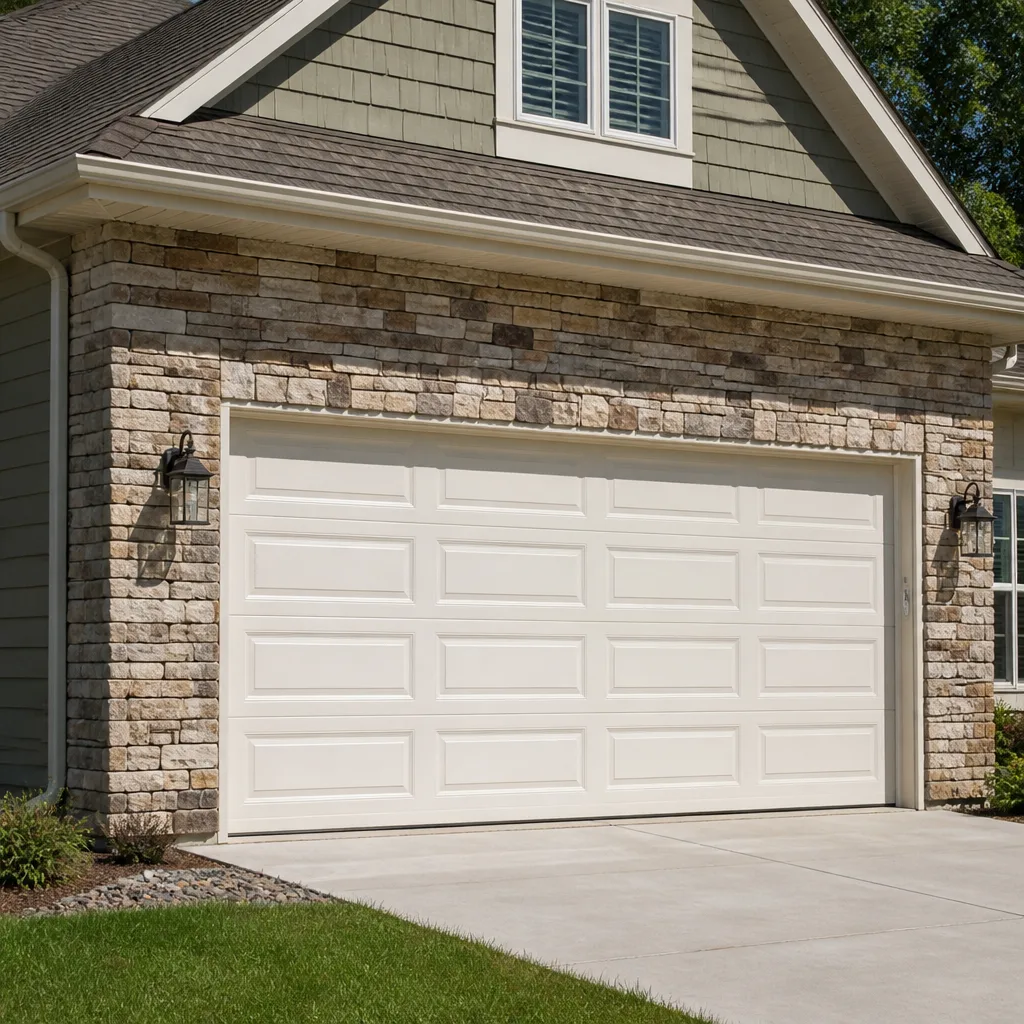 Raised-panel steel
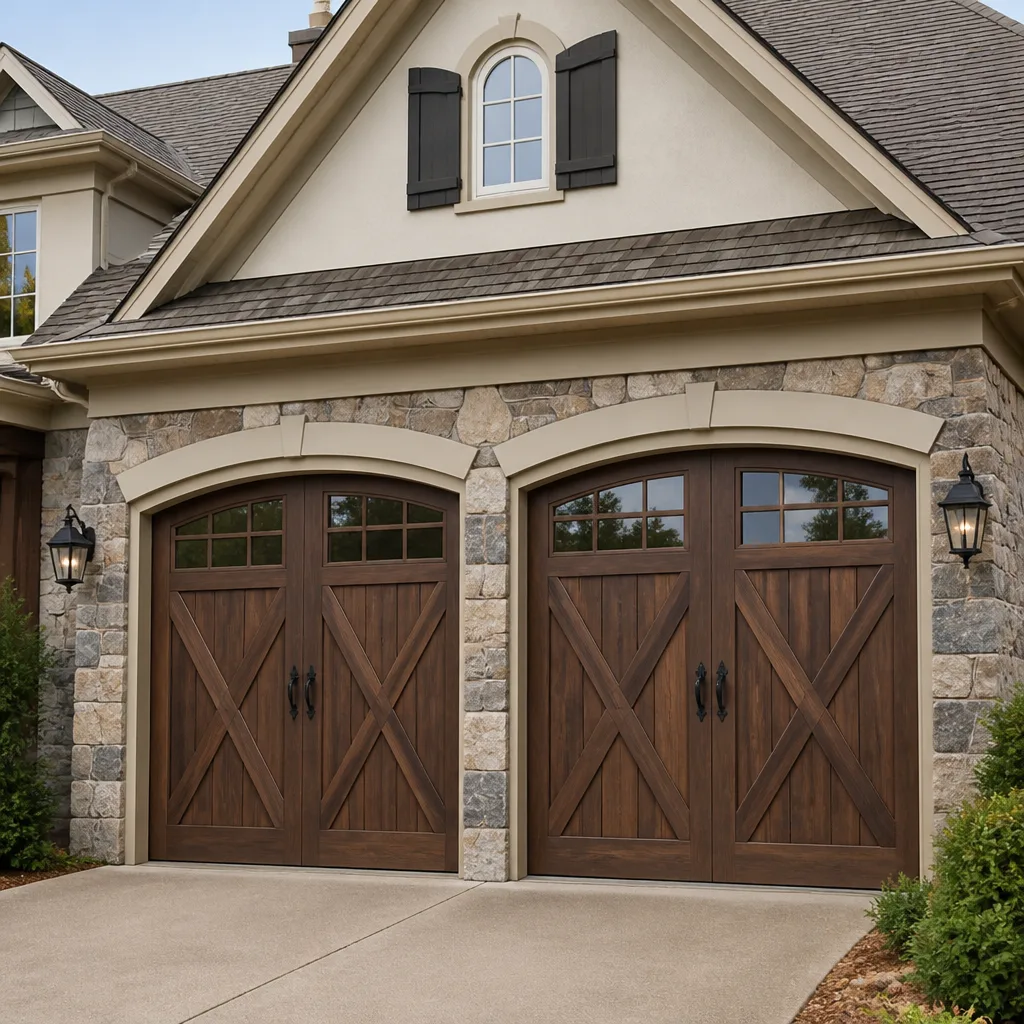 Carriage house
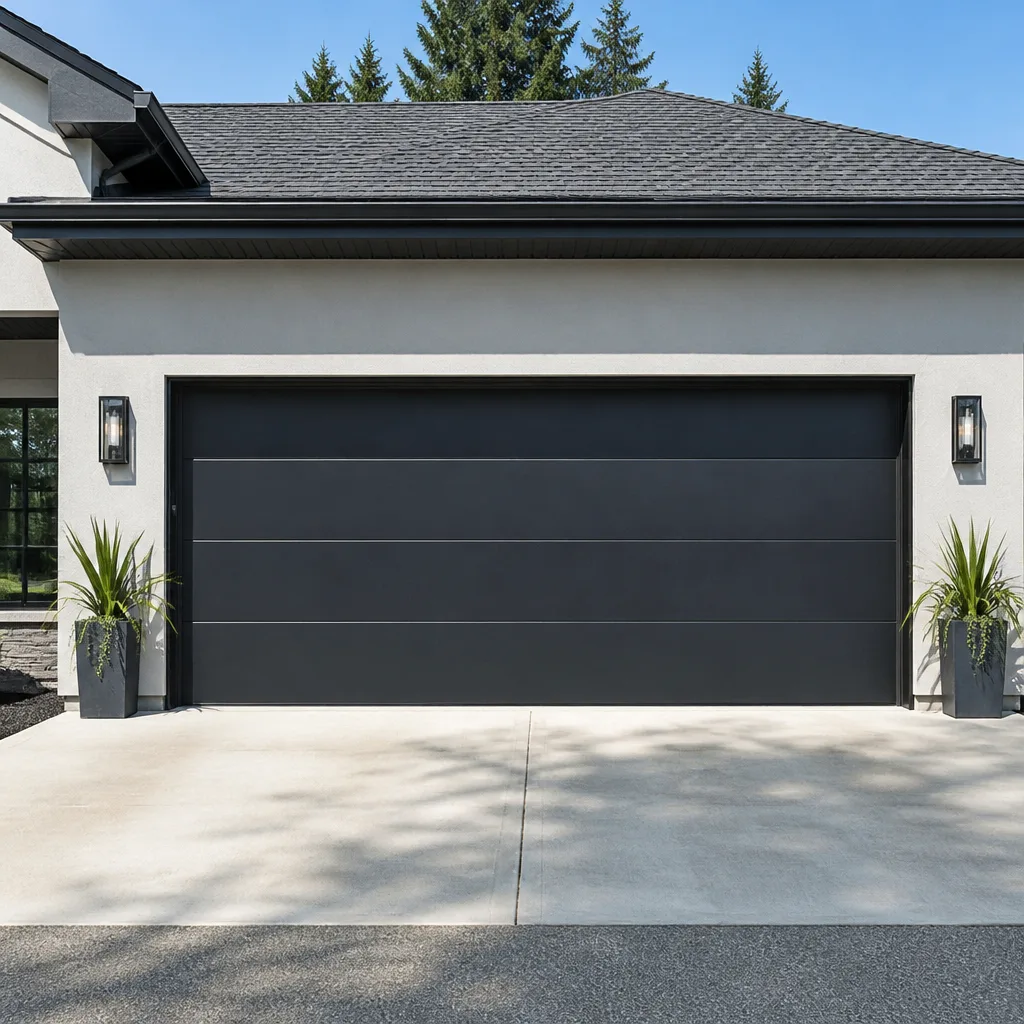 Modern flush
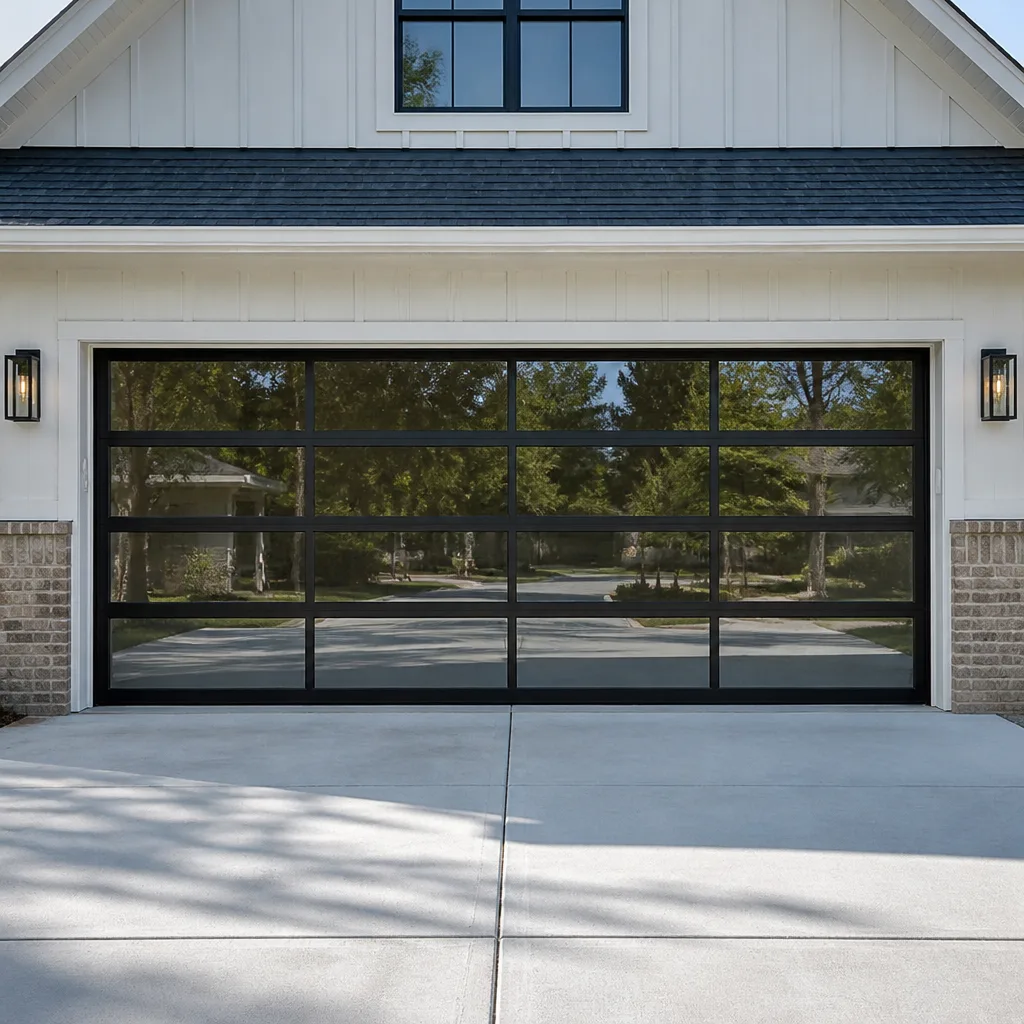 Full-view glass
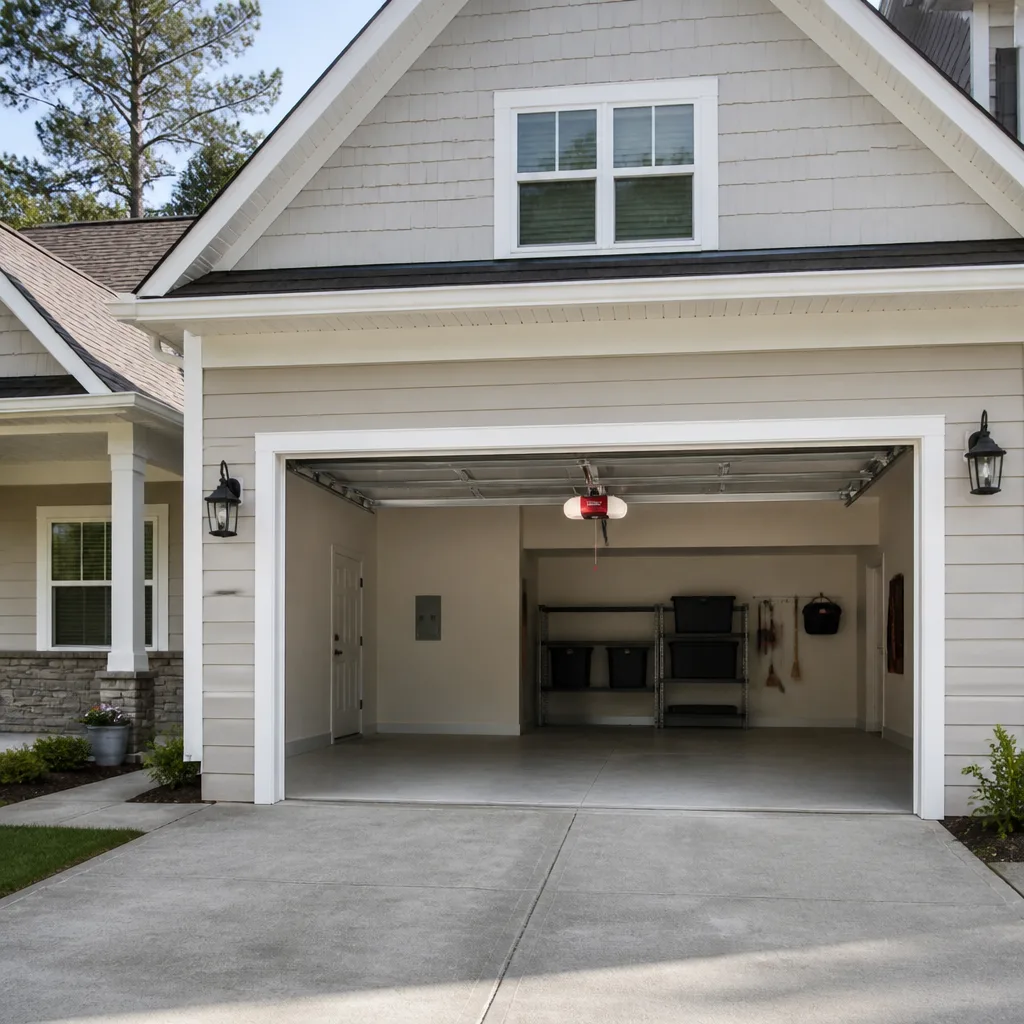 LiftMaster openers
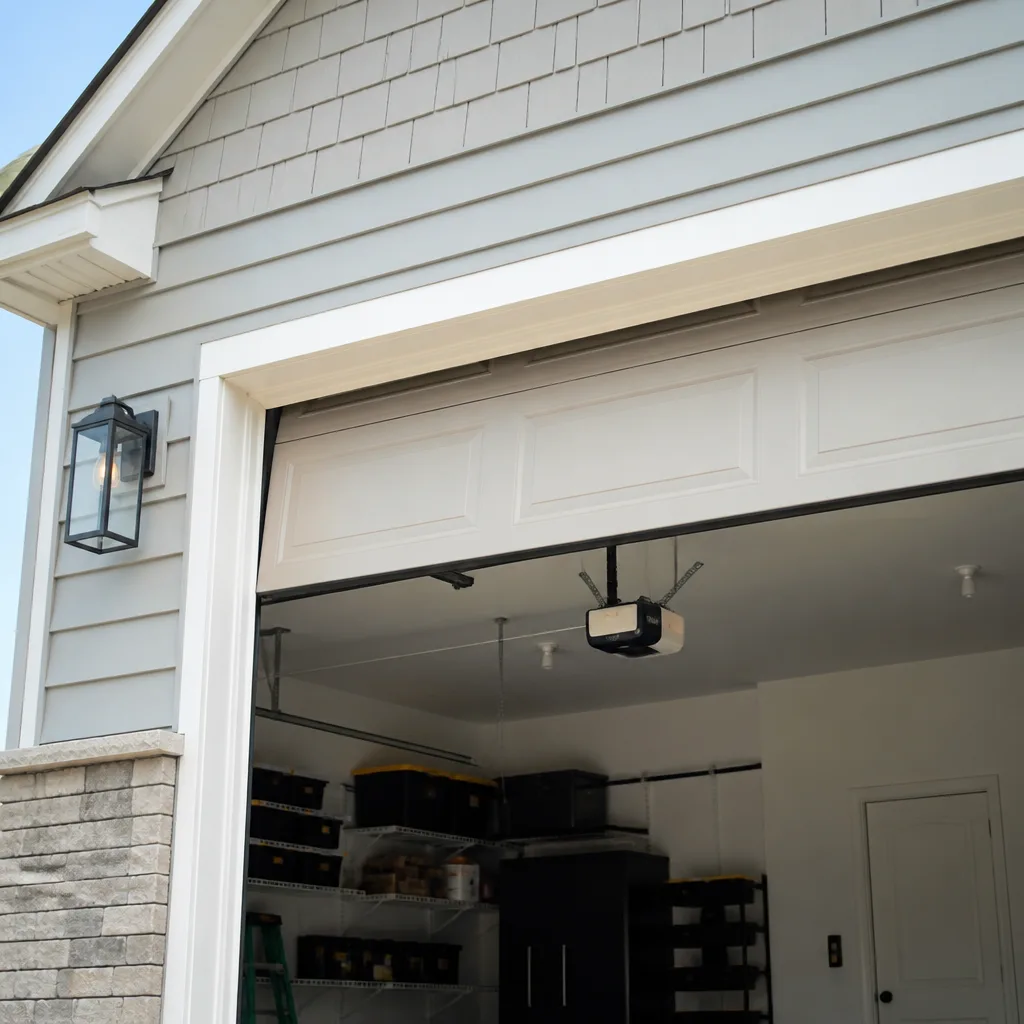 Chamberlain openers
Full 25-point door and opener safety check with every visit - springs, cables, rollers, tracks, and your LiftMaster or Chamberlain opener included
You get a price before we start. It does not change when the pro arrives.
Get your free estimateGarage Door Warning Signs: A Hillsboro Homeowner’s Reference Guide
Most garage door warning signs get flattened into one word: “grinding.” That single word covers at least six different sounds, and each one points at a different component. A technician who hears “grinding” over the phone prepares for one problem. If what you’re actually hearing is a scraping panel or a popping torsion spring, the parts, the time, and the price are all different. The gap between what your door is doing and what you can describe is where unnecessary repairs and missed failures live.
This guide is a diagnostic vocabulary, written for homes in Hillsboro where wet winters and long damp stretches work on door hardware as much as daily use does. You’ll learn to tell sounds apart, run a few safe visual checks, read your opener’s behavior, and describe the problem precisely enough that nobody sells you work your door doesn’t need.
Quick Answer
The main garage door warning signs are: a door that reverses without hitting anything, a door that closes faster than it opens (or the reverse), a visible sag on one side, a gap between the door and the floor or between panels, a cable that looks slack or off its drum, and any scraping, popping, squealing, or thumping sound that wasn’t there before. Any of these is a signal to stop cycling the door and have it checked. Two of them – a slack cable and a popped spring – mean the door should not be operated at all until a trained technician looks at it.
Styles & brands we work with
- Raised-panel steel
- Carriage house
- Modern flush
- Full-view glass
- LiftMaster openers
- Chamberlain openers
Table of Contents
- The Six Sounds a Garage Door Makes and What Each One Means
- Visual Asymmetry Checks You Can Do Safely
- Why a Door That’s Slow Up but Fast Down Is a Clue, Not Age
- Opener Behavior Flags: Reversing, Not Reversing, and What They Tell You
- Cosmetic vs. Structural Panel Damage
- How Hillsboro’s Wet Season Shows Up in Door Hardware
- Brand Notes: What Genie, Clopay, Amarr, and Wayne Dalton Owners Notice
- How to Describe the Problem Before You Call
The Six Sounds a Garage Door Makes and What Each One Means
A garage door is a mechanical assembly with distinct moving parts: rollers riding in tracks, hinges folding at each section, torsion or extension springs under load, a center bearing plate, and a chain, belt, or screw drive in the opener. Each part fails in its own way, and each failure has its own sound. Here’s the breakdown we walk through with homeowners on the phone.
- Scraping. Metal-on-metal contact, usually a roller that’s seized and dragging in the track rather than rolling, or a panel edge rubbing the track after a gentle bump knocked the door slightly out of alignment. Scraping usually gets worse with damp weather, which matters in western Washington County.
- Rattling. Loose hardware. Hinges, brackets, and roller stems vibrate and knock against the panels. Often a tightening job, but rattling paired with a loose bottom bracket is a stop-and-look situation.
- Popping. A sharp, single crack, most often a torsion spring breaking. A popped spring means the door’s counterbalance is gone, and the opener is now lifting the full weight of the door. Stop using the door.
- Squealing. Dry or worn rollers and hinge pivot points, sometimes a dry torsion tube bearing. Squealing is usually the most benign of the six, but persistent squealing at one hinge means that hinge is working loose.
- Grinding. A specific complaint, not a catch-all: a worn opener gear, a chain running against a sprocket at the wrong tension, or debris caught in the track. Real grinding inside the opener head is a mechanical failure, not a lubrication issue.
- Thumping or banging. The door slamming into the floor or the header, which means the travel limits are set wrong, the opener’s force setting is too high, or the door is out of balance and dropping on its own. Thumping puts stress on every section joint.
When you call for garage door repair, telling us “there’s a sharp pop at the top of the track and the door feels heavy” gets a technician to the right diagnosis faster than “it’s making noise.”
Visual Asymmetry Checks You Can Do Safely
Some of the most useful warning signs are things you can see without touching anything. These checks are for observation only – don’t reach into the springs, cables, or drums. Those components are under heavy tension and can cause serious injury. Observe from a safe distance with the door closed and the opener disconnected from its cycle, meaning fully closed and left alone.
- Stand back and look at the door from the street or driveway. Look at the horizontal line where the door meets the header. Is the gap even across the width, or does it dip on one side? A sag on one side points to a spring on that side losing tension.
- Check the gap at the floor. With the door closed, look for light under the bottom seal. A gap at one corner but not the other suggests the door isn’t level in its tracks.
- Look at the cables on each side. A properly tensioned cable runs straight and tight along the drum and the bottom bracket. A slack cable – one that hangs loose or has come off its drum – is an immediate stop. Do not cycle the door.
- Check for uneven panel seams. If the horizontal lines between sections don’t line up straight across the door, a panel has shifted, and the hinges on that side are carrying more than their share of the load.
- Look at the torsion springs above the door (the coiled springs on the horizontal shaft). A visible gap in the coil or a spring that looks noticeably unwound compared to its neighbor is worth a call.
Any of these asymmetry findings is a reason to call a technician before the door runs again. A door that’s out of balance is stressing the hardware, and hardware failures are the ones that put a door down hard. We see more of these after the wet season in Hillsboro, when moisture has been working on the metal and the wood framing that surrounds it.
Why a Door That’s Slow Up but Fast Down Is a Clue, Not Age
A door that’s slow on the way up and fast on the way down isn’t “getting old.” It’s telling you something specific: the door is out of balance, and gravity is winning on the way down while the opener struggles on the way up. A balanced door should take roughly the same effort to lift as to lower, and the opener should sound and move about the same in both directions.
What causes it:
- Spring tension has dropped. Torsion springs lose tension over time, and after a wet Hillsboro winter the coil can feel different than it did in the fall. When the spring is weak, the opener has to do more lifting work. You hear the opener strain on the way up. On the way down, the weak spring lets gravity pull the door faster than the opener’s lower setting expects, so it speeds up.
- The opener’s travel limits and force settings are wrong. This can happen after a power interruption or a limit switch adjustment. The door opens at normal opener speed but the down limit is set too far forward, so the door drops the last stretch.
- Rollers or tracks are binding in one direction. A roller that binds on the way up releases on the way down, giving the door a faster closing run.
You can do a simple check without tools. With the door closed, pull the opener’s manual release (the red handle on the rail) and lift the door by hand about halfway. A balanced door stays where you leave it, or drifts only slightly. A door that wants to drop to the floor on its own is out of balance, and the opener is working against gravity every cycle. That’s a balance problem for a technician, and it’s exactly what our garage door opener repair service addresses alongside the door hardware itself, because the two problems usually travel together.
Opener Behavior Flags: Reversing, Not Reversing, and What They Tell You
Your opener tells you things the door can’t. Two behaviors need opposite fixes and homeowners often describe them the same way on the phone: “my door won’t close.”
- Reverse without hitting anything. If the door starts down and goes back up on its own, the opener thinks it met an obstruction. Common causes: safety sensors misaligned a few degrees, one sensor lens dirty from wet weather, a spider or leaf blocking the beam, or the up and down force limits set too sensitive. A misaligned sensor sends the door back up even with nothing in the opening.
- Doesn’t reverse when it should. This is the opposite and the more serious flag. If you hold a solid object under the closing door (a 2×4 laid flat is the standard test) and the door doesn’t reverse, the opener’s force setting is too high or the reversing mechanism has failed. A door that won’t reverse on contact is a safety problem, and the opener shouldn’t be used until it’s corrected. Opener manufacturers build this test into their manuals for a reason.
- It won’t open at all, click only. A single click and no movement usually points at the opener’s logic board, a failing capacitor, or a stripped gear in the opener head. On belt and chain drives from Genie and Chamberlain systems, the click-only symptom often lines up with a worn drive gear.
- It loses its remote or smart-home connection. Remotes and app controls dropping at the same time points at the opener’s receiver or the wall control. Losing mobile app access on a smart opener while the remotes still work usually means the network side, not the door.
If your opener is doing any of these, tell the technician the make and the symptom. A Genie belt drive and a chain drive LiftMaster share the sensor logic but the failure points differ, and diagnosis is faster when we know what’s on your ceiling.
Cosmetic vs. Structural Panel Damage
A ding in the door panel is easy to see. What matters more is whether that damage has moved the door out of balance or stressed the hardware that connects the panels. Here’s how to tell them apart without disassembling anything.
- Cosmetic damage is a crease, dent, or scrape that stays within one section and doesn’t affect the door’s straight line. The door opens and closes smoothly, the seams line up, and the gap at the floor is even. On a steel Clopay or Amarr panel, a surface dent from a garden cart is typically a straightforward fix.
- Structural damage shows up in the way the door moves. The damaged panel no longer folds straight at its hinge line. The door sags on that side, the hinge at the damaged section is bent, or the roller at that section rides unevenly in the track. A bent hinge means the door’s folding motion is compromised, and every cycle puts stress on the adjacent sections. This is not cosmetic even if the dent is small.
- Damage at the bottom section deserves more attention than the same ding higher up. The bottom bracket, cable attachment, and bottom seal all live there, and a hit to the bottom panel can shift the attachment point without you noticing. That’s a hardware stress check a technician should make.
If the door moved whether the damage is recent, run the visual checks from the asymmetry section before you use the door again. In our experience, a small dent that happened to land near the bottom bracket causes more balance trouble than a larger dent in the middle of the door. If you’re unsure, describe it on the phone – “the dent is at the bottom, and the door seems to sag on that side” tells us exactly what to look for.
How Hillsboro’s Wet Season Shows Up in Door Hardware
Hillsboro sees a long wet stretch from late fall through spring, and that damp is especially hard on the wooden framing, the metal track, and the hinge pivot points. Most of the winter complaints we take in Hillsboro follow a pattern.
- Rollers and hinges squeal and stick first. Moisture finds the pivot points and the roller bearings. A dry steel roller that squealed in October will grind by January if it hasn’t been lubricated.
- Tracks get out of alignment. Wooden jamb framing swells and shrinks with the seasonal moisture. A track mounted to that framing can move fractionally, and a fraction of an inch is enough to change how a roller tracks. If your door suddenly started rattling or scraping without a bump, the track alignment is worth checking.
- Bottom seals take the brunt. The rubber seal at the bottom of the door sits against a concrete floor that stays cool and damp through the winter. A seal that has hardened or torn from the cold lets water into the garage and lets you see daylight under the door.
- Leaf and debris build-up in the track channels. Hillsboro’s tree canopy drops debris into the track channel, and wet debris packed into a track is a common cause of scraping that appears out of nowhere.
None of this is unique to your street. It’s the pattern of the place. If your door has developed a symptom every wet season for a few years running, the fix is usually hardware attention, not a new door. We work on what you have, and the right fix is rarely a replacement.
Brand Notes: What Genie, Clopay, Amarr, and Wayne Dalton Owners Notice
Different systems fail in different ways, and knowing what yours tends to do helps you describe it. We’re trained across the widest-installed brands, so we diagnose by the system rather than by what a particular part shipment happens to include.
- Genie openers are widely installed on Hillsboro homes, and the belt-drive models are usually quiet right up until the drive gear or the belt tension changes. A Genie that starts clicking without moving, or a belt that starts to slip and sounds like a soft thump, points at the drive assembly, not the door.
- Clopay steel doors are built around insulated panel sections, and the failure point on a damaged Clopay is often the hinge between the damaged section and its neighbor. A small dent in a Clopay panel rarely deforms the panel, but a bent hinge at that section changes how the whole door folds.
- Amarr doors with raised-panel designs put more hardware at each section joint, and that’s where the rattling usually starts when the hardware loosens with seasonal movement. An Amarr that rattles on the way up is usually a loose hinge or roller stem.
- Wayne Dalton doors often ship with torsion springs above the header, so the popping sound that means a spring break is the one to listen for on these systems. If you hear a sharp pop and the door feels heavy when you lift it, stop there.
On any brand, the process is the same: we look at the door and opener as one system. Openers on doors that are out of balance wear faster, and the door on a failing opener gets stressed by the wrong force settings. Treating them together is how you avoid paying twice.
How to Describe the Problem Before You Call
You don’t need a technical vocabulary to call, but a few details carry a lot of weight. Here’s the pattern that gets a technician the right parts and the right diagnosis the first time.
- Name the make. The door and opener often carry different brands. A Clopay door on a Genie opener is common. Tell us both if you know them – the label is usually on the opener head and the door’s end stile.
- Say what sound, and where it comes from. “A sharp pop from above the center of the door” is different from “a grinding in the opener box.” Point to the location as best you can describe it.
- Say whether the door moves at all. Does the opener run but the door stays put? Does the door move but the opener doesn’t? Does it reverse on its own? The answers point to different systems.
- Say whether the door feels heavy or drops by hand. If you pulled the manual release and the door wanted to fall, tell us. That’s a counterbalance issue, and a technician should be prepared before arriving.
- Say whether the door has had a recent bump. A car bumper, a garden cart, or a bike against the bottom section is useful context even if it was months ago. It changes which panels and hinges we check first.
Photographs help. A photo of the opener head, a photo of the track and spring area from the ground, and a photo of any visible sag from the street lets us prepare. If the door is stuck open or stuck closed, say so on the call so it’s booked with the right priority. Whether the door is safe to leave in its current position is a judgment a technician can talk through with you on the phone.
Common Mistakes to Avoid
- Calling “grinding” when it’s really popping. Popping is a spring failure and requires different parts than a grinding opener gear. Describing the exact sound gets the right diagnosis once instead of twice.
- Lubricating a spring or a cable to stop a squeal. A squeal at a spring or cable should be checked by a technician, not oiled at home. Those components are under tension, and an amateur can do serious harm with hands near them.
- Ignoring a door that opens fine but closes fast. The fast-down symptom is a balance issue, not a natural result of age. Left alone, it wears the opener and stresses the door hardware.
- Replacing the opener when the door is the problem. A door out of balance makes a new opener fail the same way the old one did. Put the balance and the opener on the same service call rather than the same invoice twice.
- Waiting out a slack cable. A cable that has come off its drum can let the door drop hard. Stop using the door and call. This is the one warning sign that should never wait for a convenient day.
- Treating a dent as purely cosmetic without checking the door’s line. A dent near the bottom bracket or hinge line can stress the door even if the paint isn’t cracked. A two-minute visual check saves a bigger repair.
- Assuming a brand-locked shop is your only option. A specialist who works on what you own – not just the one brand they prefer – will diagnose your system rather than steer you toward a replacement line they happen to carry.
See the difference
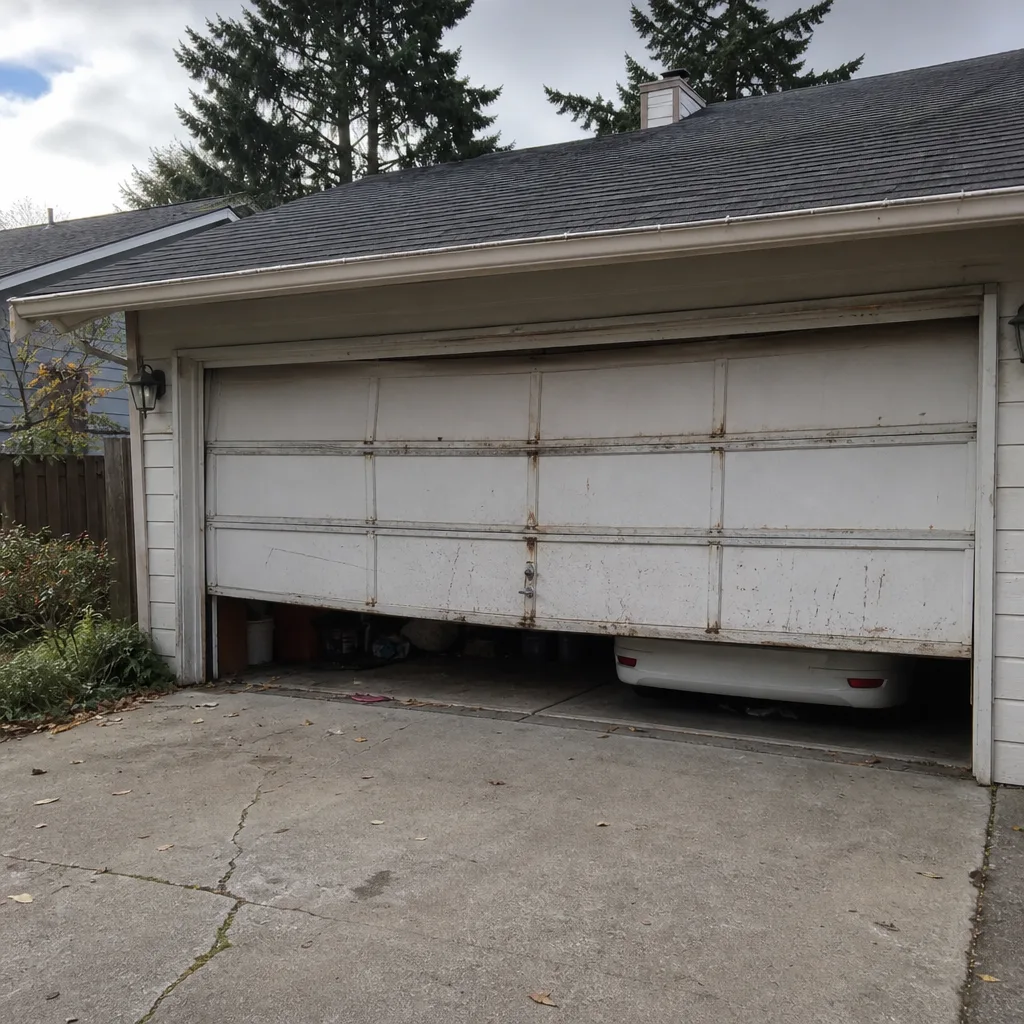 Before
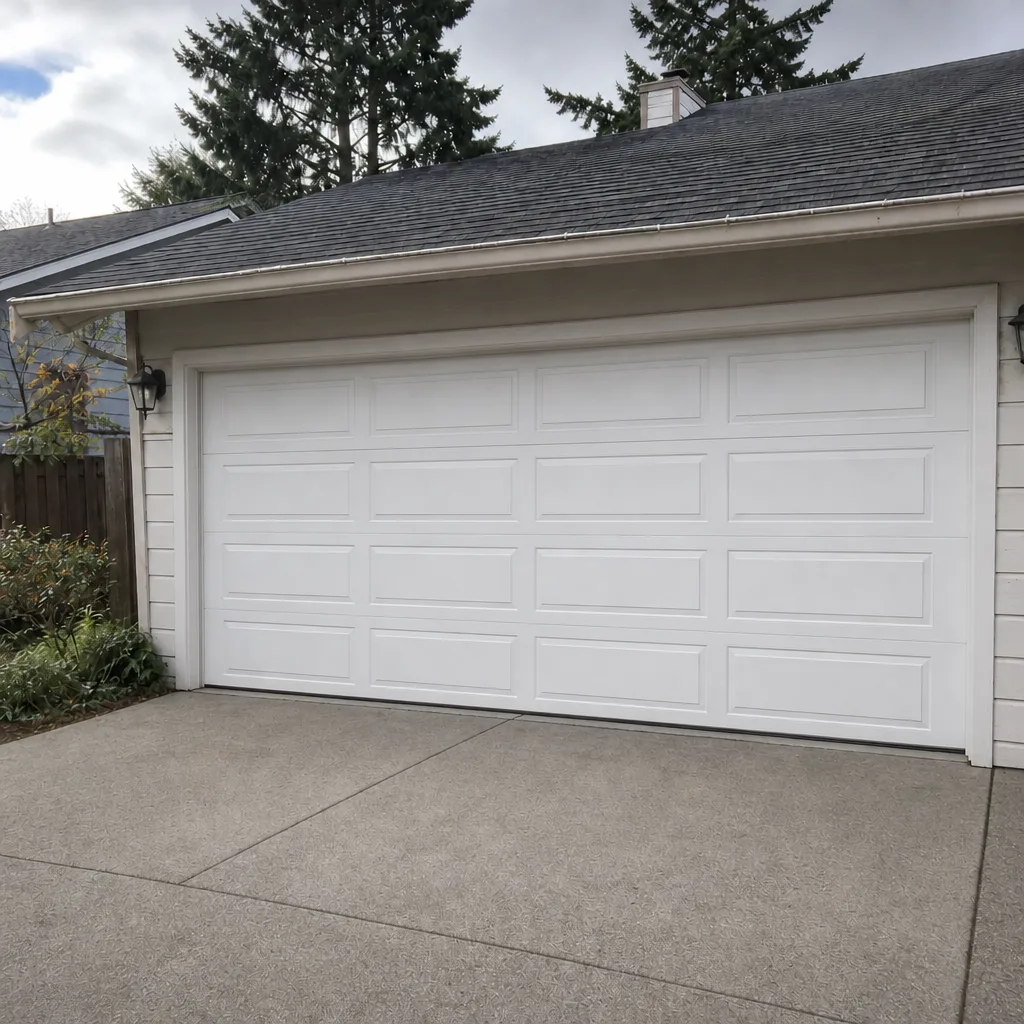 After
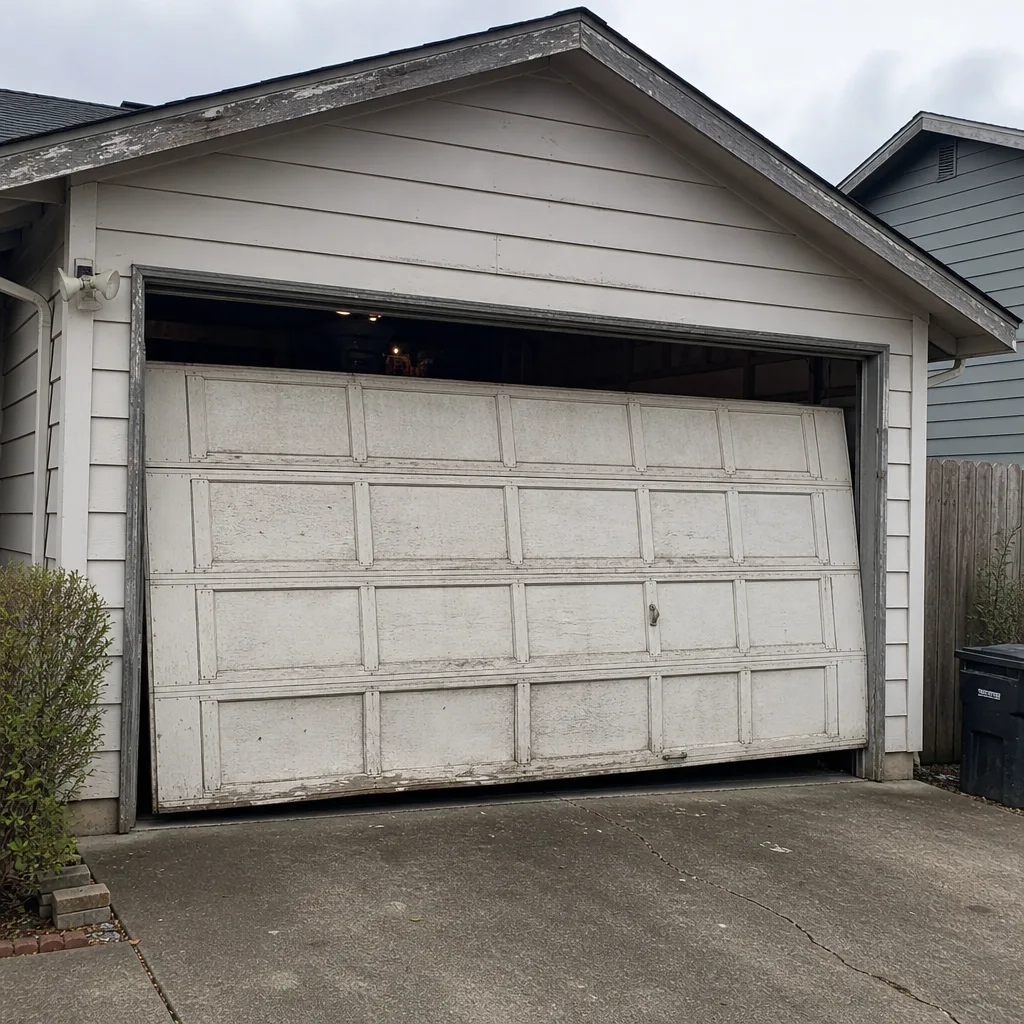 Before
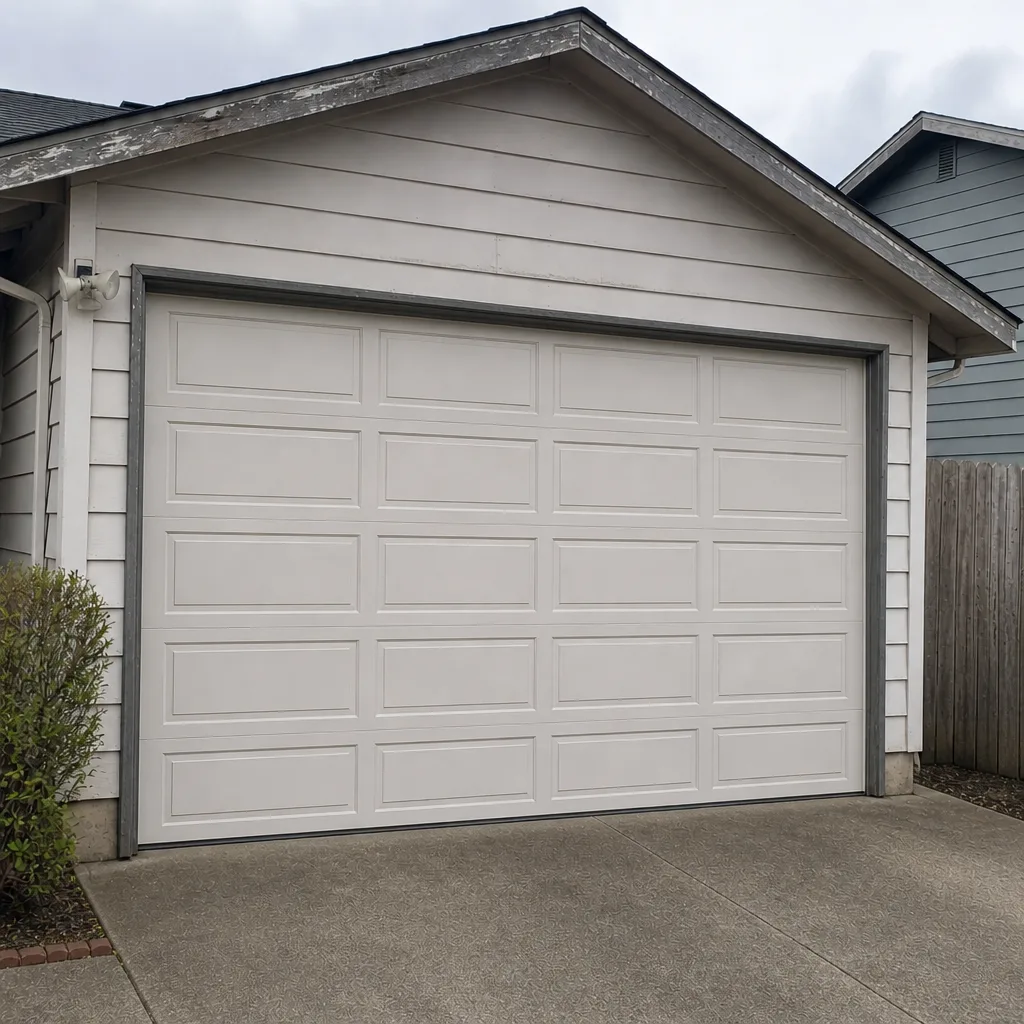 After
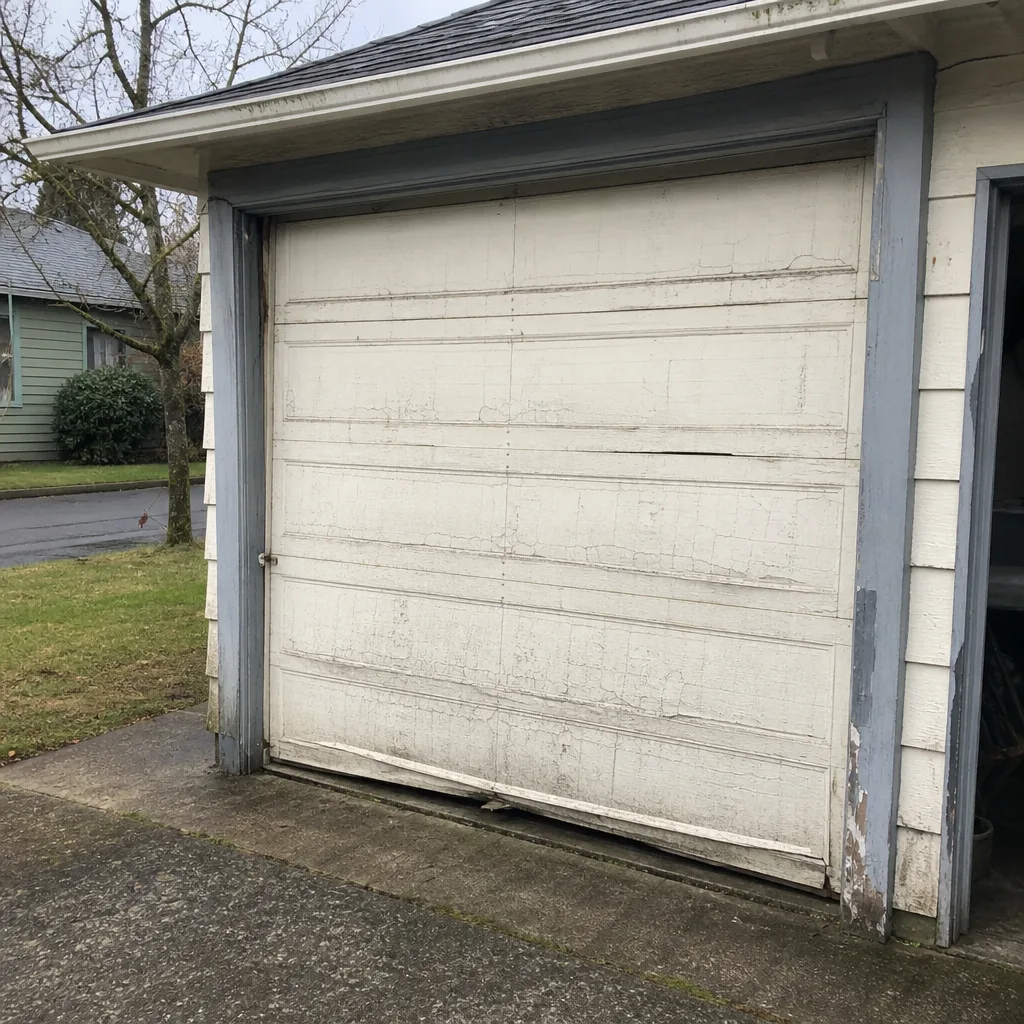 Before
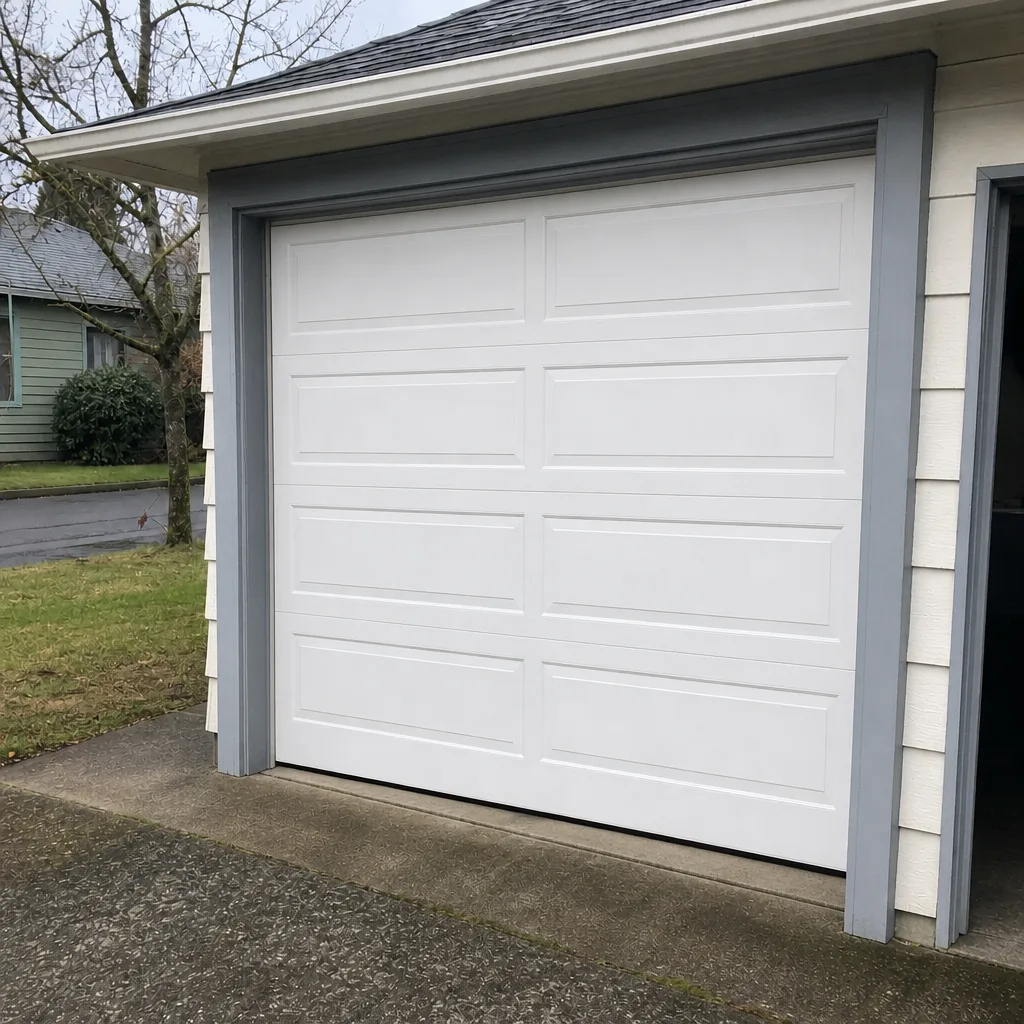 After
When to Call a Professional
Call a technician when the door reverses on its own, won’t reverse on contact, or has popped. Call when a cable looks slack or off its drum. Call when the door sags on one side, drops fast on the way down, or feels heavy by hand after you release the opener. Call after any car or equipment hit that changed how the door moves, even slightly. And call when a squeal, grind, or rattle is new and persistent, because those symptoms are cheaper and simpler to fix early.
Blackwell Garage Door Repair offers free estimates in Hillsboro – call (888) 534-4142. Garage doors are all we do, from opener to spring to panel, and our technicians have up to 9 years of experience with the systems most Hillsboro homes have installed.
Frequently Asked Questions
A slack cable that has come off its drum, a door that has popped a torsion spring, and an opener that won’t reverse on contact are the three signs that should stop you from cycling the door. Each one is a safety risk: the door can drop, the opener can crush something in the opening, or a panel can fail under load. Call a technician before the door runs again, and if the door is stuck open, tell the person on the phone.
It’s usually a sensor or force-setting issue rather than a door failure, so it’s more of an inconvenience than an imminent hazard – but don’t ignore it. The most common cause is a misaligned or dirty safety sensor, especially after wet weather. If the door reverses only some of the time and the sensors look clean and aligned, the opener’s force limits need a technician’s check. Call (888) 534-4142 for an estimate.
Pull the manual release on the opener rail and operate the door by hand. If the door moves smoothly and stays where you leave it, the door and balance are healthy, and the problem is in the opener. If the door feels heavy, drops on its own, or binds in one direction, the door is out of balance or the hardware is binding, and that will stress any opener on it. That hand test is the single most useful thing you can do before calling.
It does, on the hardware side rather than the door panels themselves. Damp gets into the hinge pivot points and the roller bearings, swelling framing can nudge track alignment, and the bottom seal takes a beating from cold concrete. The first cool wet stretch of the season is when most homeowners notice a new squeal or rattle. It’s not a reason to replace the door; it’s a reason for hardware attention.
It depends on whether the bend affects how the door folds. A shallow dent in the flat of a section is often repairable in place. A bent hinge line, a distorted panel edge, or a dent near the bottom bracket usually means the panel needs to be replaced, because the door’s straight line has changed and the hardware is carrying stress. A technician can tell you which side of that line your damage is on after looking at it.
Probably not. A door that’s slow up and fast down is usually a balance problem: the springs have lost tension and the opener is lifting more of the door’s weight than it should. That’s a reason to have the door checked, not necessarily the opener replaced. An opener forced to work harder does wear out faster, so getting the balance right early can save the opener later. Call (888) 534-4142 for a free estimate.
The Bottom Line
Garage door warning signs are specific if you listen and look for them. Six distinct sounds point to six different components. A sag, a slack cable, or an uneven seam tells you the door is out of balance. A door that opens slowly and closes fast is a balance symptom, not age. An opener that reverses on its own or won’t reverse on contact is a sensor or force-setting issue, and each has its own fix.
You don’t need to diagnose any of it yourself. You need to describe it so you’re not paying for the wrong repair. Blackwell Garage Door Repair works on what you have, from opener to spring to panel, across the brands most common in Hillsboro. Call (888) 534-4142 for a free estimate. We answer 24/7. Fast dispatch from 7am to 7pm, Sunday through Friday, and we’re closed on Saturday.
Written by the team at Blackwell Garage Door Repair.