
Last updated November 15, 2026
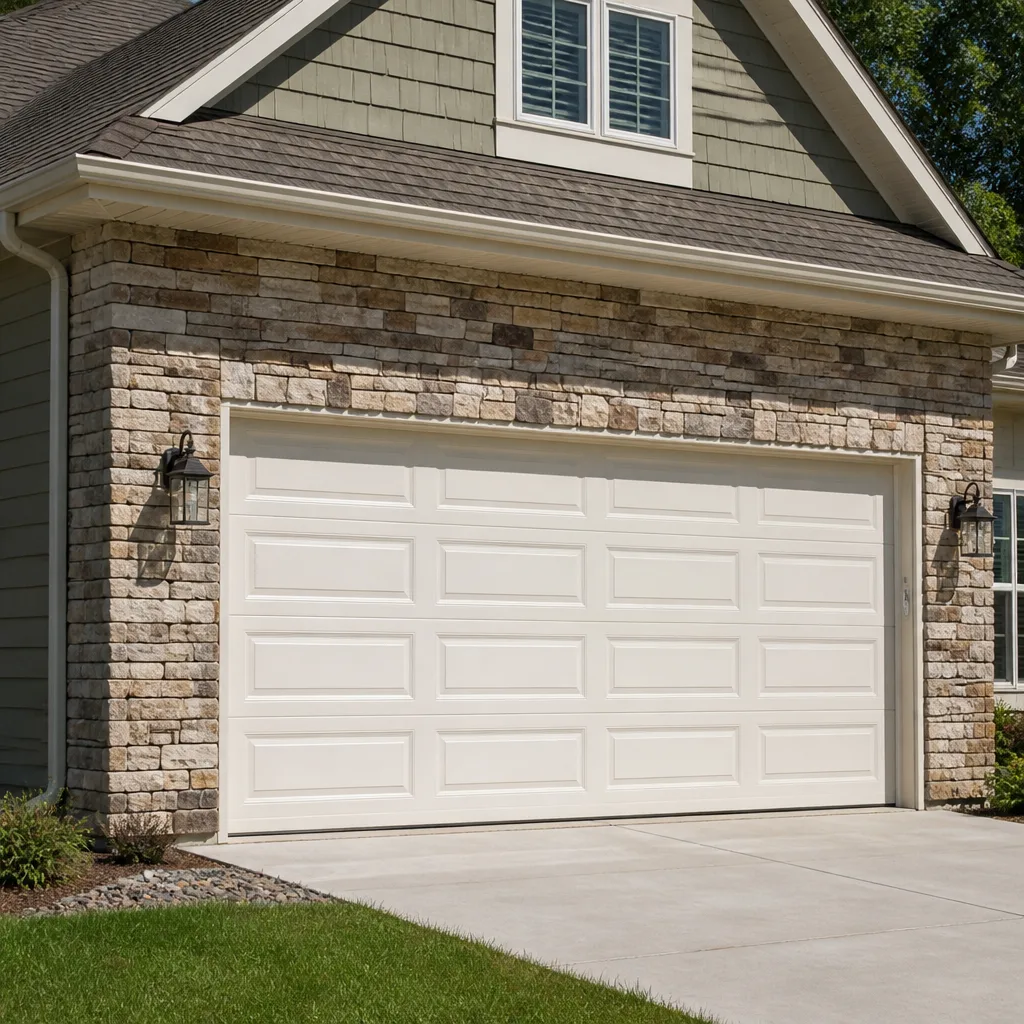 Raised-panel steel
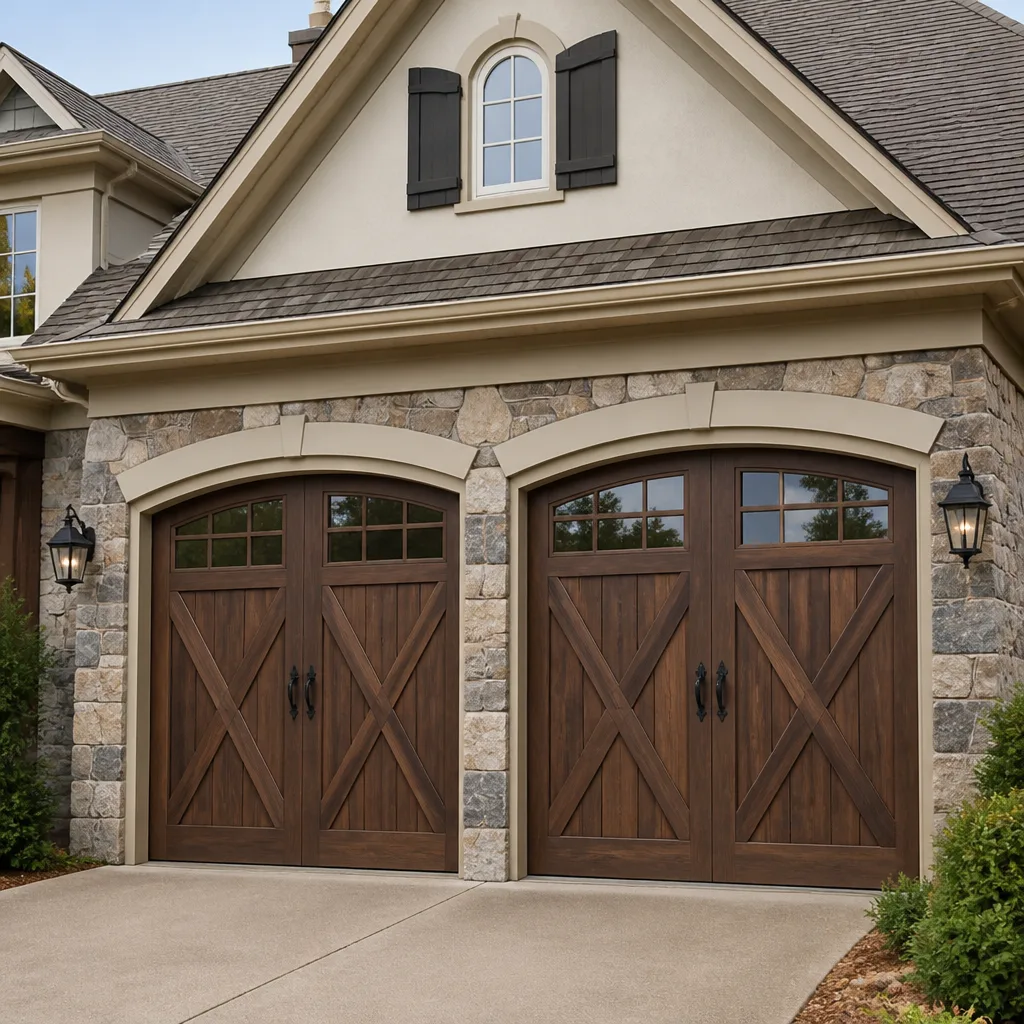 Carriage house
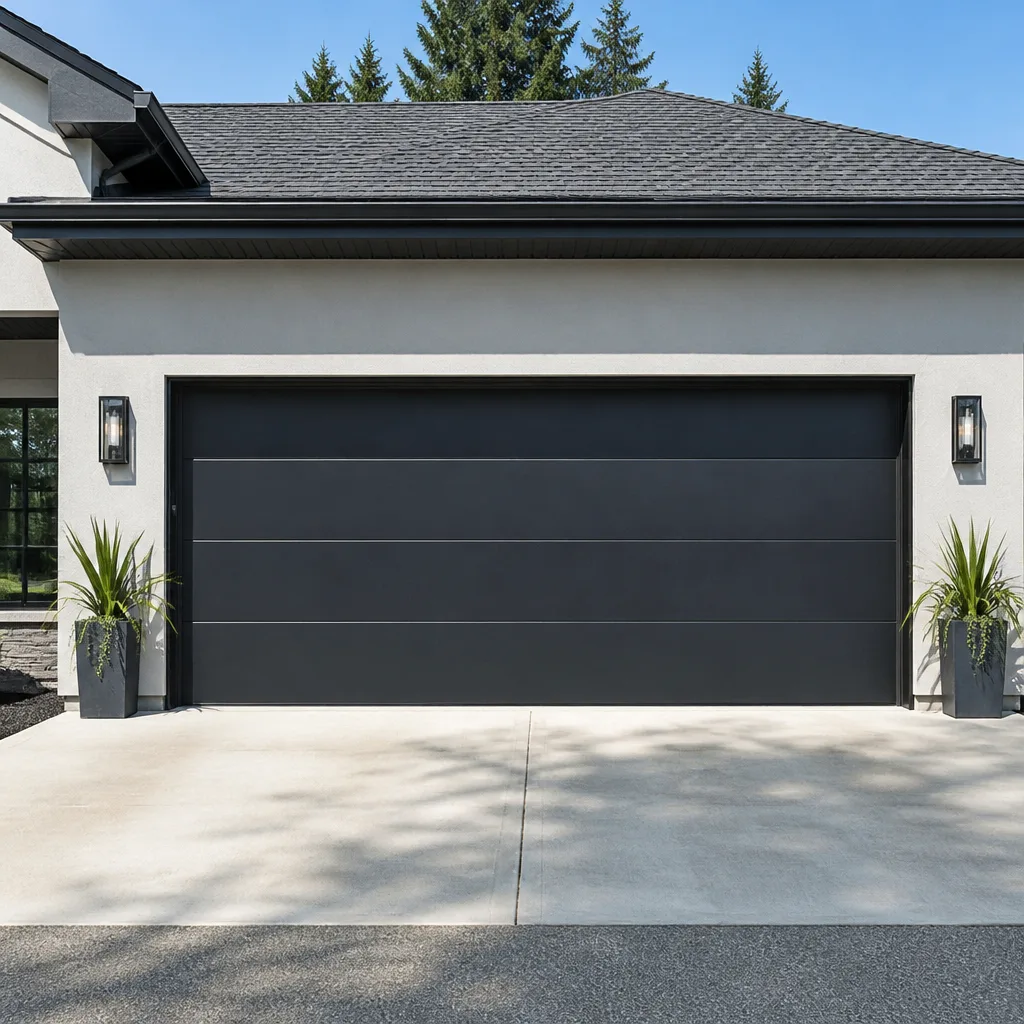 Modern flush
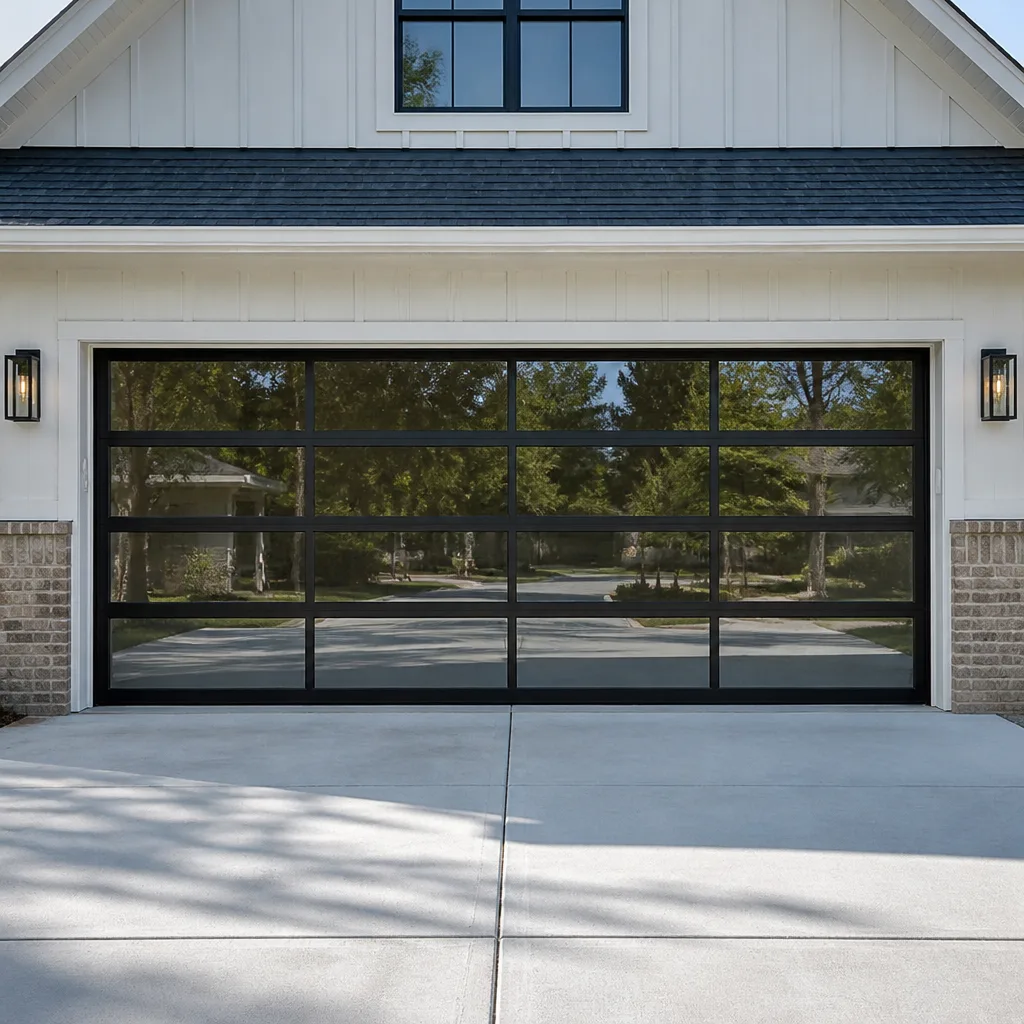 Full-view glass
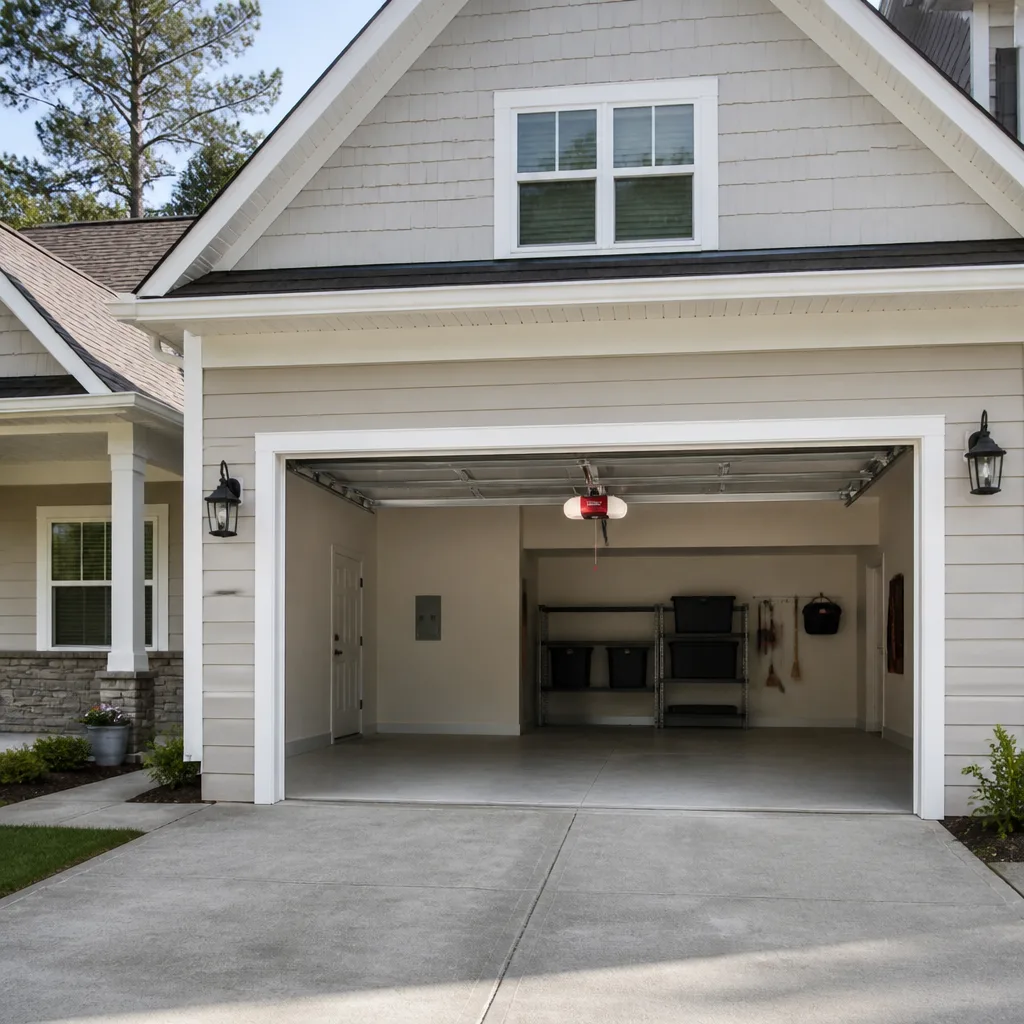 LiftMaster openers
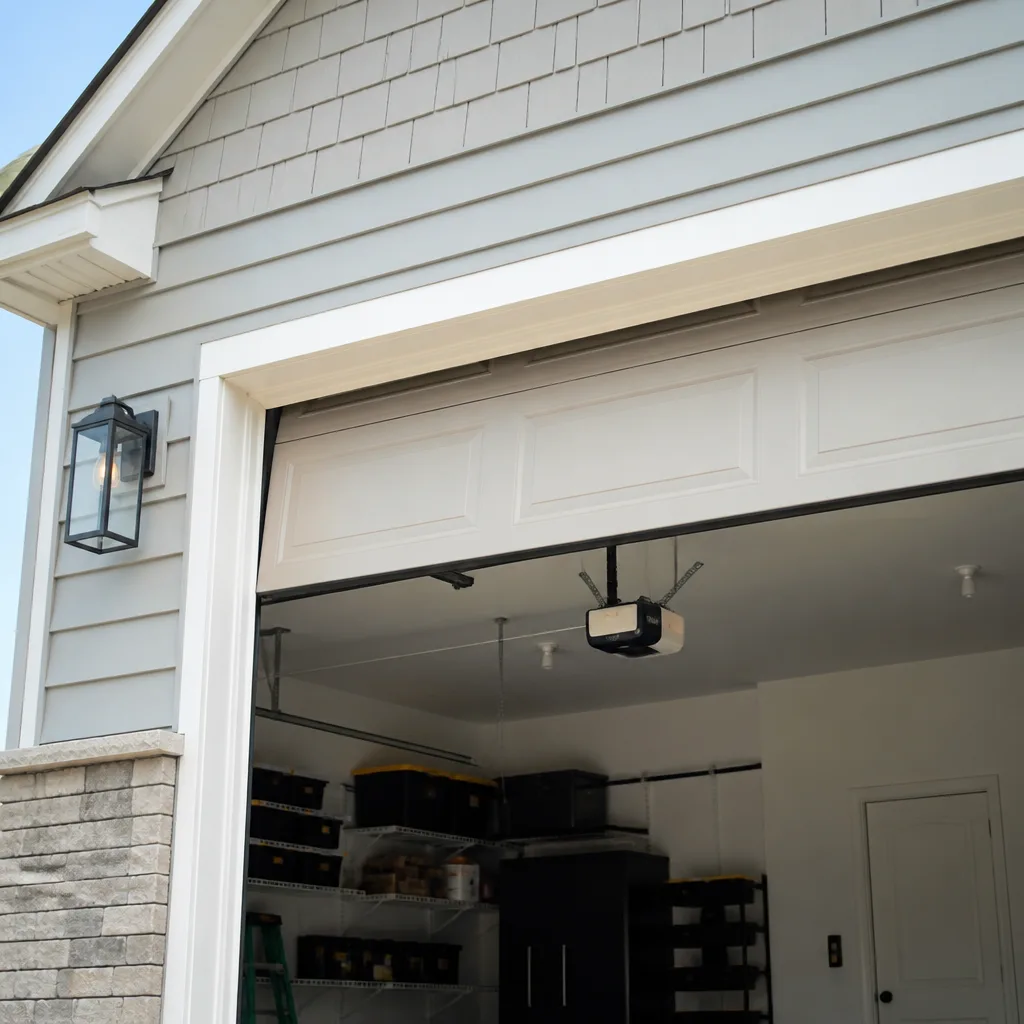 Chamberlain openers
Full 25-point door and opener safety check with every visit - springs, cables, rollers, tracks, and your LiftMaster or Chamberlain opener included
You get a price before we start. It does not change when the pro arrives.
Get your free estimateSeasonal Garage Door Care for Hillsboro: Year-Round Homeowner’s Guide
Most garage door maintenance advice you’ll find online was written for places that get punished by weather: ice storms, desert heat, months of hard freeze. Hillsboro doesn’t work that way. Our seasons are mild, our winters hover near freezing more often than they plunge below it, and our shoulder seasons stay damp for weeks. That combination produces a wear pattern that a generic four-season checklist misses entirely. The garage door that fails here usually doesn’t fail dramatically. It wears out quietly, on a schedule set by persistent moisture and overnight cold rather than by anything you’d call a storm. This guide walks through what to check in each season, why the timing matters in Hillsboro specifically, and when a job is worth handing to a technician.
Styles & brands we work with
- Raised-panel steel
- Carriage house
- Modern flush
- Full-view glass
- LiftMaster openers
- Chamberlain openers
Quick Answer
In Hillsboro, seasonal garage door care follows a damp-climate rhythm rather than a harsh-winter one: inspect and seal weatherstripping in October before the wet season, watch the bottom seal for freeze-thaw damage through winter, check for rust and wood swelling after the spring rains end, and save painting, caulking, and cable replacement for the dry summer months. The single most important habit is inspecting seals and hardware before the rain arrives, not after.
Table of Contents
- Why Hillsboro Garage Doors Wear Differently
- Fall: Sealing Up Before the Wet Season
- Winter: Freeze-Thaw and the Frozen Door
- Spring: Post-Wet-Season Inspection
- Summer: The Dry Window for Real Work
- Attached vs. Detached Garages in Our Climate
- How Seasons Affect Your Opener
- The 12-Month Maintenance Calendar
- Common Mistakes to Avoid
- When to Call a Professional
- Frequently Asked Questions
- The Bottom Line
Why Hillsboro Garage Doors Wear Differently
Hillsboro sees a lot of rain days across the year, and that number matters less than how the rain is distributed. Instead of a few violent storms, we get long stretches of steady drizzle through fall, winter, and spring. Moisture doesn’t blast your door; it soaks into it slowly. Door bottoms sit in shallow puddles. Wood panel edges drink in humidity. Metal hardware collects fine condensation. None of that looks urgent in a single day, which is exactly why it goes unnoticed until the damage has already set in.
The other half of the equation is our overnight cold. Hillsboro regularly dips to freezing on winter nights without staying there. That’s the freeze-thaw pattern: water gets into a gap, freezes and expands, thaws, and repeats. A bottom seal bonded to concrete is the most exposed part of the whole system, and it’s the part most likely to let go first.
Here’s what makes this different from a cold-climate guide. In a place with deep sustained freezes, contractors build around frost heave and hard ice. In a place with desert heat, they build around thermal expansion. Hillsboro sits in between, and the failure points land on seals, wood edges, track debris, and spring coatings rather than on structural extremes. If you’ve been following an East Coast or Midwest maintenance schedule, you’ve probably been checking the wrong things at the wrong times.
One more local factor: much of the housing stock in Hillsboro includes wood and wood-composite doors alongside steel and aluminum. Wood cares about moisture in a way steel doesn’t, and our wet shoulder seasons are hard on it. Knowing what your door is made of tells you which parts of the calendar apply most strongly to you.
Fall: Sealing Up Before the Wet Season
October is the right month to inspect weather seals in Hillsboro. Not December. By December the wet season is already underway, and any gap you find has been letting water in for weeks. October gives you a window where the weather is still workable and the damage hasn’t started.
Walk the whole perimeter of the door with a flashlight and look for daylight. Daylight means water and air are getting through.
- Check the bottom seal first. Look for cracks, flattening, or sections pulling away from the door. A seal that looks fine from standing height can be split along its underside.
- Inspect the side and top weatherstripping. Run your hand along the stops on both sides and across the header. Gaps at corners are common and easy to miss.
- Look at the threshold where the door meets the floor. Concrete that’s cracked or uneven under the seal creates a path for water no matter how good the rubber is.
- Check wood panel edges and bottom rails. Soft spots, bubbling paint, or dark discoloration at the bottom of a wood door mean moisture has already been getting in.
- Clear the tracks and the floor edge. Fallen leaves and grit collect at the base of the tracks and can hold water against the door.
- Test the door balance by hand. Disconnect the opener and lift the door halfway. It should stay put. If it drifts down, the springs are losing tension and the opener is compensating, which wears both.
If you find a failing seal in October, replacing it is straightforward and cheap compared to dealing with a rotted bottom section in February. That’s the whole case for fall timing: you’re working ahead of the damage, not behind it.
Winter: Freeze-Thaw and the Frozen Door
The most common winter problem in Hillsboro isn’t a door that breaks. It’s a door that sticks. Overnight freezing binds the bottom seal to the concrete, and the opener pulls against that bond. Sometimes the door comes up with a tearing sound. Sometimes the opener strains, reverses, or trips its safety mechanism. Either way the seal and the opener both take a hit.
Here’s what freeze-thaw does to the bottom seal over a winter. Water gets under the rubber edge and freezes, expanding slightly each time. The adhesive bond between the seal and the door weakens a little with every cycle. By spring the seal is hanging loose in places, and water has been reaching the door’s bottom edge for months.
If your door freezes shut, don’t force it. Never hold the wall button down and let the opener strain. Never pry under the door with a shovel. Both approaches can bend panels, snap cables, or burn out the opener’s motor. Instead:
- Disconnect the opener using the manual release cord so the motor isn’t fighting the door.
- Break the bond gently along the bottom with a plastic scraper or a soft mallet tapped lightly against the lower edge.
- Once free, lift the door by hand to confirm it moves normally before reconnecting the opener.
- After it’s open, dry the threshold and coat the contact area with a silicone-based lubricant made for weather seals.
If this happens repeatedly, the seal itself is probably worn past the point where lubrication helps. That’s a replacement job, and it’s better done in a dry stretch than mid-freeze.
Winter is also when springs are under the most stress. Cold makes steel slightly more brittle, and a spring that’s already near the end of its life is more likely to fail in January than in July. If you hear a sharp bang from the garage and the door won’t lift, stop and call. Garage door springs are under extreme tension and can cause serious injury if handled without the right tools and training. This is not a homeowner repair.
Spring: Post-Wet-Season Inspection
Once the rain eases, usually by April, take a full inventory of what the wet season did. This is the inspection that catches slow damage while it’s still cheap to fix.
Start with rust. Steel doors and hardware pick up surface rust where water sat against them. Check the bottom rail, the hinge plates, the roller brackets, and the track joints. Light surface rust can be sanded and treated. Deep pitting means the metal has been compromised and may need replacement.
Then look at wood. Any wood or wood-composite door should be checked for swelling at the bottom edges and around panel joints. Swollen wood is a sign water got in, and if it stays swollen through the dry months it will eventually crack and split. Wayne Dalton and Amarr both make wood-look products that can hide moisture damage behind a finish, so press on the surface with your thumb and feel for softness.
Tracks are the third spring item. Winter drainage carries grit, leaves, and fine debris down the driveway and into the bottom of the tracks. Packed debris at the base of a track throws the door off alignment and wears the rollers. Flush the tracks with a hose, wipe them dry, and check that the door runs smoothly the full travel.
Finally, run the safety reverse test. Put a piece of wood flat on the floor under the door and close it. The door should reverse on contact. If it doesn’t, an adjustment is needed before someone gets hurt.
Summer: The Dry Window for Real Work
Our dry months are the only reliable window for work that moisture interferes with. Paint won’t cure properly on damp wood. Caulk won’t bond to a wet joint. Cable replacement is easier and safer when the door isn’t fighting winter stiffness.
Here’s what’s worth scheduling in summer:
- Painting and staining. Wood and wood-composite doors need a finish that’s fully cured before the wet season returns. Summer gives you the stretch of dry days required.
- Caulking and sealing joints. Anywhere water got in over the winter should be cleaned, dried, and resealed while it’s bone dry.
- Cable inspection and replacement. Cables stretch and fray over time, and it’s easier to diagnose them when the door runs freely.
- Track alignment and hardware tightening. Loose brackets and slightly off tracks are simpler to sort when nothing is frozen.
- Spring replacement if the door is nearing the end of its cycle life. Better to replace a tired spring on a comfortable summer day than to have it let go in January.
A note on cables and springs: both are high-tension components. Cables under tension can cause severe lacerations or worse if they snap during handling. This is work for a trained technician with the right tools, not a weekend project. We mention it here so you know when to schedule the work, not so you’ll attempt it yourself.
If you’re not sure whether your door needs a full replacement or just a repair, summer is also the best time to get an honest assessment. We work on what you have, and for a door that’s structurally sound, the right fix is often far less than a new door.
Attached vs. Detached Garages in Our Climate
Whether your garage shares a wall with your house makes a bigger difference to your opener than most homeowners realize. An attached garage in Hillsboro sits in a temperature range that’s buffered by the house itself. It’s cooler than the living space, warmer than outside, and it rarely swings hard from one extreme to the other. A detached garage does the opposite. It tracks outdoor temperatures closely, which means every cold snap and warm afternoon hits the opener directly.
That matters for the opener’s electronics and lubrication. An opener in a detached garage sees more thermal cycling across a year, which stresses circuit boards and thickens the grease in the rail and gears more often. Detached-garage openers in our climate often benefit from more frequent lubrication and a check of the travel limits as temperatures shift. Attached-garage openers are less exposed but still feel the humidity, especially in fall and spring.
Insulation plays a role too. An insulated attached garage stays closer to a stable temperature, which helps both the opener and the door itself. A detached garage without insulation will be the fastest place on the property to show condensation on metal parts.
If you’re not sure which category your setup falls into or what it means for maintenance, garage door opener repair is a service we handle as its own specialty, separate from the door hardware, because the electronics deserve the same attention the mechanical parts do. We service LiftMaster, Chamberlain, Genie, and Craftsman openers, plus the doors themselves from Clopay, Amarr, Wayne Dalton, and Raynor. Every call we take is a garage door call.
How Seasons Affect Your Opener
Your opener isn’t just a motor. It’s a small system with a board, a drive mechanism, safety sensors, and in newer units, smart-home connectivity. Each part responds to the seasons a little differently.
- Cold and grease. Lubricant in the rail and gears thickens in cold weather, making the motor work harder to move the door. Lighter, temperature-appropriate lubricant helps, and the technician should know which drive type you have.
- Humidity and electronics. Damp air in spring and fall is the season for sensor glitches. Safety sensors that fog or collect condensation can cause the door to reverse without warning.
- Spring and fall temperature swings. Travel limits can drift slightly as materials expand and contract. A door that closes fine in July might stop an inch short in January.
- Smart openers and connectivity. If your opener connects to a phone app, a router reset or network change can knock it offline. Reconnecting is often a settings fix, not a hardware problem, but it’s worth checking before you assume the opener failed.
- Battery backup. Many openers have a battery that’s only noticed when the power goes out. Check it annually, ideally in fall before the storm season.
The key point is that opener problems often show up as door problems. A door that reverses for no reason might be a sensor, a limit setting, or a failing logic board. Diagnosing by the system rather than guessing saves time and money. If your opener is the thing that’s misbehaving, our garage door repair team covers the full mechanical system alongside the opener work, so you’re not bouncing between contractors.
The 12-Month Maintenance Calendar
Here’s the short version of everything above, arranged by month and season. Keep it somewhere you’ll see it.
- September: Clear gutters and check the driveway drainage near the garage. Standing water at the door threshold is the leading cause of seal failure.
- October: Full seal inspection. Daylight test at the perimeter. Replace failing bottom seals and side weatherstripping now.
- November: Lubricate hinges, rollers, and springs. Check the opener’s battery backup. Test the safety reverse.
- December through February: Watch for the door freezing shut. Don’t force it. Clear snow and ice away from the door’s base. Listen for unusual noises from the springs.
- March: Check tracks for winter debris. Flush and wipe. Re-test the door balance by hand.
- April: Post-wet-season inspection. Rust, wood swelling, track alignment, cable condition, and a fresh safety reverse test.
- May through August: Painting, caulking, cable replacement, and any major hardware work. The dry window.
- Year-round: Monthly visual check of seals, tracks, and hardware. It takes five minutes and catches most problems early.
Common Mistakes to Avoid
- Waiting until December to check seals. By then the wet season has already done its work. October is the month that matters in Hillsboro.
- Forcing a frozen door open. Holding the wall button while the door strains can bend panels, snap a cable, or burn out the opener. Disconnect the opener and free the door by hand first.
- Lubricating tracks. Tracks should stay clean and dry. Lubricant on the track attracts grit and causes the rollers to slide instead of roll. Lubricate the hinges, rollers, and springs, not the track surface.
- Skipping the safety reverse test. It’s the single test that protects people and pets. Run it after any seal replacement, any track adjustment, and once a season regardless.
- Painting a wood door in the wet season. Paint applied to damp wood won’t cure properly and will peel within a year. Use the dry summer months.
- Assuming a reversing door needs a new opener. Reversing is often a sensor, a travel limit, or a track obstruction. Diagnose before replacing.
- Ignoring small rust spots on the bottom rail. Surface rust turns into pitting, and pitting turns into a rail that needs replacing. Treat it in spring while it’s still surface level.
When to Call a Professional
Some maintenance is honestly yours to do: visual inspections, cleaning tracks, lubricating hinges and rollers, testing the safety reverse, and keeping the threshold clear. Other jobs belong with a trained technician, and it’s worth knowing the line.
Call us if a spring is broken or making a sharp clanging noise, if a cable is frayed or hanging slack, if the door is off its tracks, if a panel is bent so the door won’t seal, if the opener runs but the door doesn’t move, or if a door that used to run smoothly now strains or stalls. These are all cases where an untrained repair risks injury or makes the underlying problem worse. Springs and cables store dangerous tension and should only be handled by someone with the right training and tools.
If you’re in doubt, a professional inspection settles it. Blackwell Garage Door Repair offers free estimates in Hillsboro. Call (888) 534-4142 and we’ll tell you what the actual problem is, and what the right fix is, rather than the easiest upsell. Our technicians have up to 9 years of experience, and they work on the system you already have. We answer 24/7, with fast dispatch from 7am to 7pm, Sunday through Friday. We’re closed Saturday. A call outside dispatch hours is booked into the next opening.
Frequently Asked Questions
October is the best month to inspect and replace weather seals in Hillsboro, because it’s before the wet season arrives and while the weather is still workable. Inspecting in December means water has already been getting in for weeks, and the damage is cumulative. A quick daylight test around the door’s perimeter tells you whether the seals are still doing their job.
No, never force a frozen garage door. Disconnect the opener with the manual release cord, then gently break the bond between the seal and the concrete with a plastic scraper or a soft mallet. Forcing the door with the opener can bend panels, snap a cable, or damage the motor. Once it’s open, dry the threshold and apply a silicone-based lubricant to the contact area to reduce repeat freezing.
Winter sticking in Hillsboro is almost always the bottom seal bonding to cold, wet concrete overnight. Our overnight freezing followed by daytime thawing creates exactly the conditions for this. If it happens repeatedly, the seal is probably worn and needs replacing. Lubrication helps temporarily, but a torn or flattened seal won’t hold a dry barrier no matter how much lubricant you apply.
Our climate is actually gentler on the opener’s mechanical parts but harder on humidity-related issues like sensor condensation and corrosion. The bigger local variable is whether the garage is attached or detached. A detached garage tracks outdoor temperatures closely, which means more thermal cycling on the opener’s electronics and lubrication. An attached garage stays more stable but still feels the damp air in spring and fall.
You shouldn’t paint a wood or wood-composite door during the wet season in Hillsboro. Paint and stain need a stretch of dry weather to cure properly, and damp wood won’t hold a finish. The dry summer months are the reliable window for painting, caulking, and sealing. If you’re scheduling paint and seal work, plan for late spring or summer.
Yes, especially in Hillsboro, because our wear pattern is cumulative and slow. There’s no dramatic event that tells you something is wrong, so the door degrades quietly across a wet winter and you only notice when it fails. A simple seasonal check of seals, tracks, springs, and the safety reverse takes maybe fifteen minutes and catches most problems while they’re still inexpensive to fix. If you’d rather have it done properly, our team at Blackwell Garage Door Repair can walk through the whole system with you.
The Bottom Line
Hillsboro’s mild climate hides its wear. Persistent damp and small freeze-thaw cycles do steady, quiet damage to bottom seals, wood edges, and steel hardware, and a generic four-season maintenance schedule built for harsher places checks the wrong things at the wrong times. The local version is simple: seal in October, watch for freezing through winter, inspect for rust and swelling after the spring rains, and save the real work, painting, caulking, and cable replacement, for the dry summer months. Do those four things and your door will last longer, and you’ll catch the expensive problems before they happen. Garage doors are all we do, and if you’d rather have a technician look it over, we’re glad to help.
Call (888) 534-4142 for a free estimate. We answer 24/7, with fast dispatch from 7am to 7pm, Sunday through Friday.
Written by the team at Blackwell Garage Door Repair.
See the difference
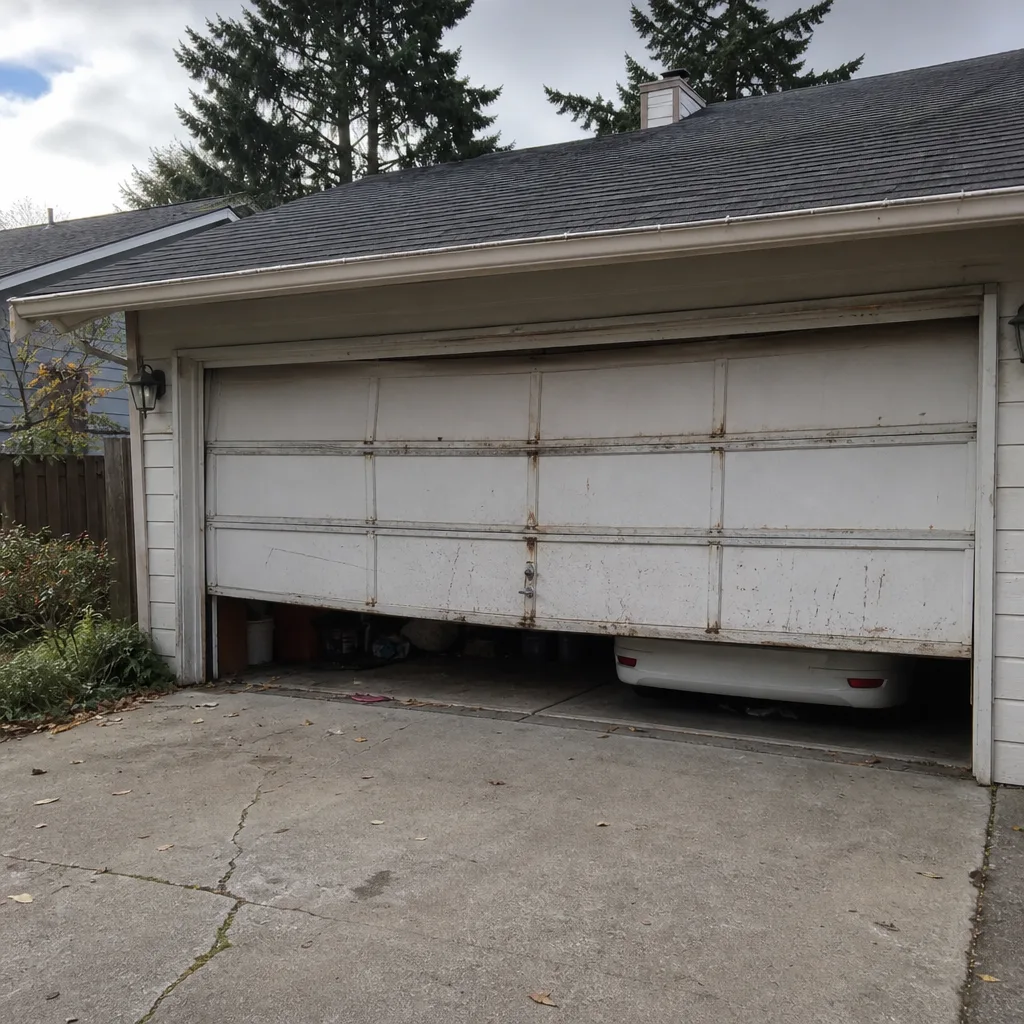 Before
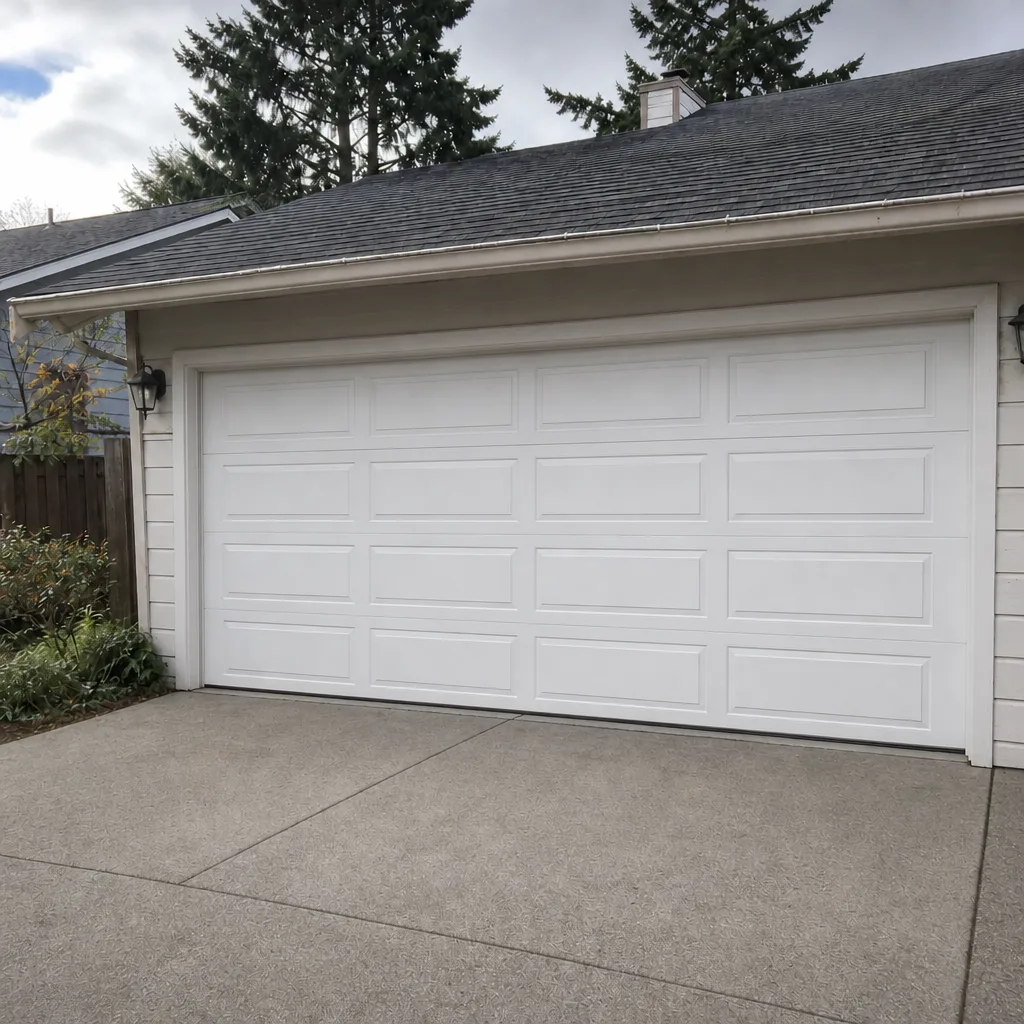 After
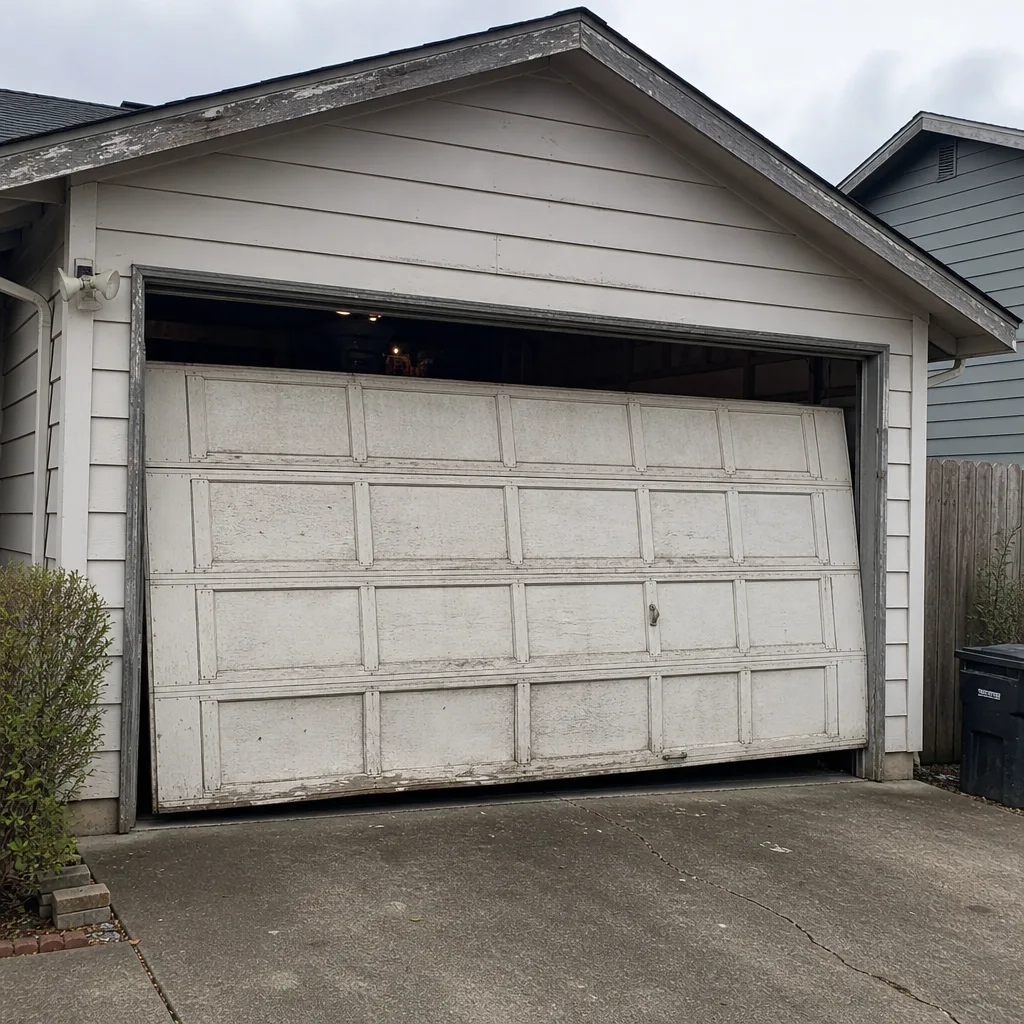 Before
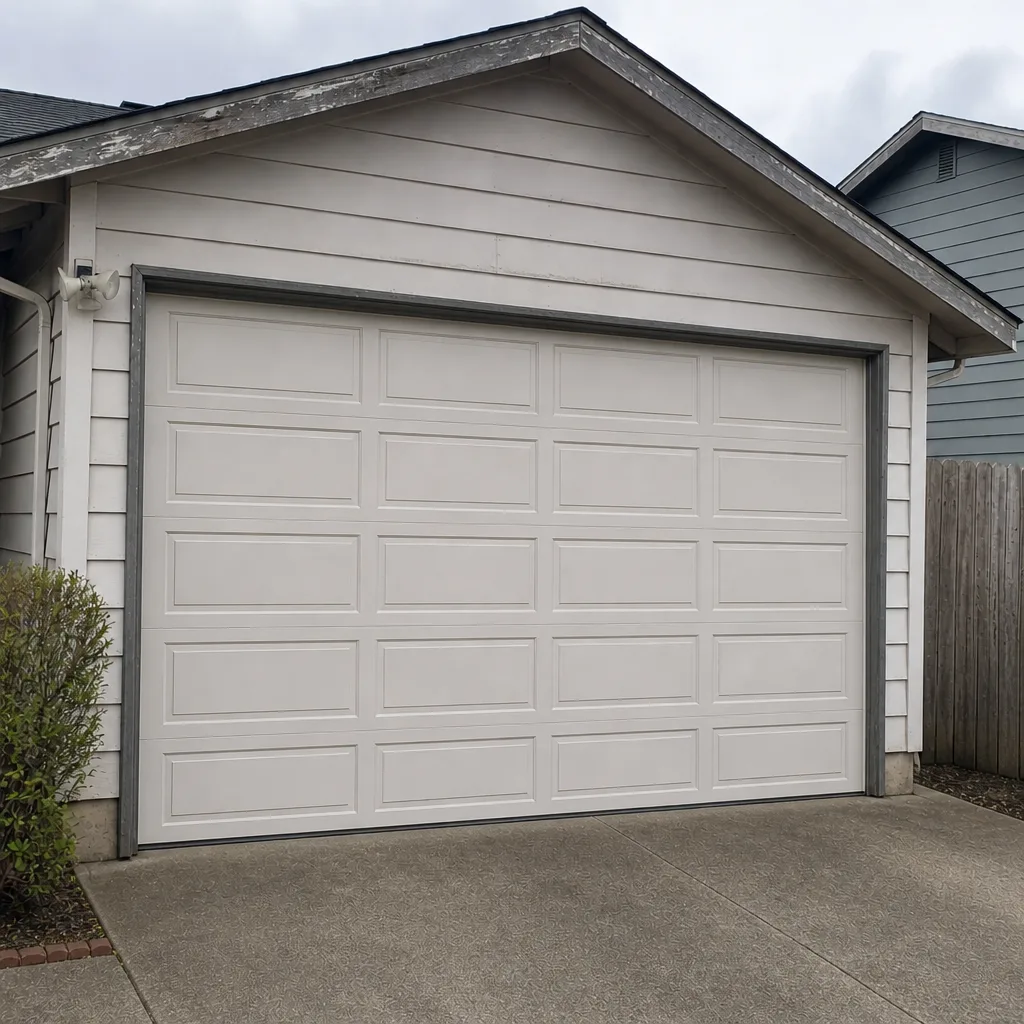 After
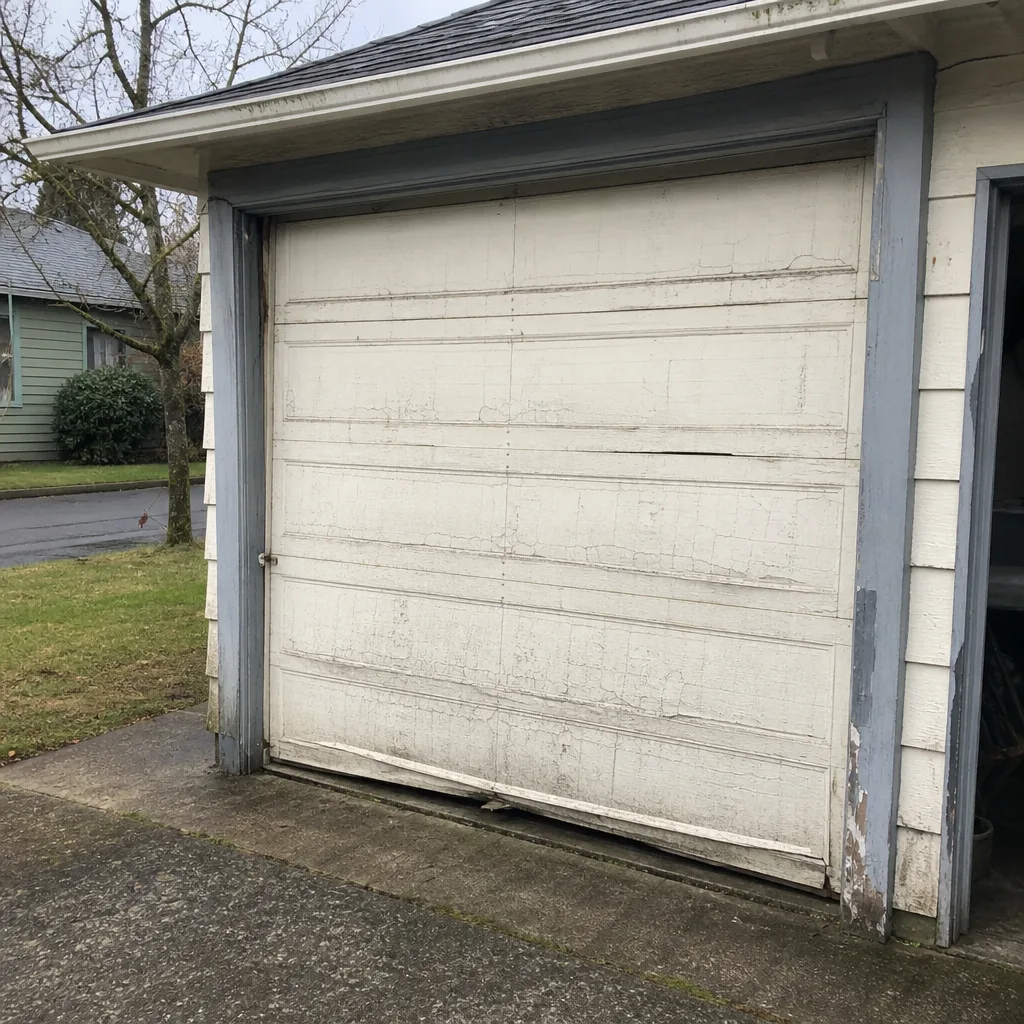 Before
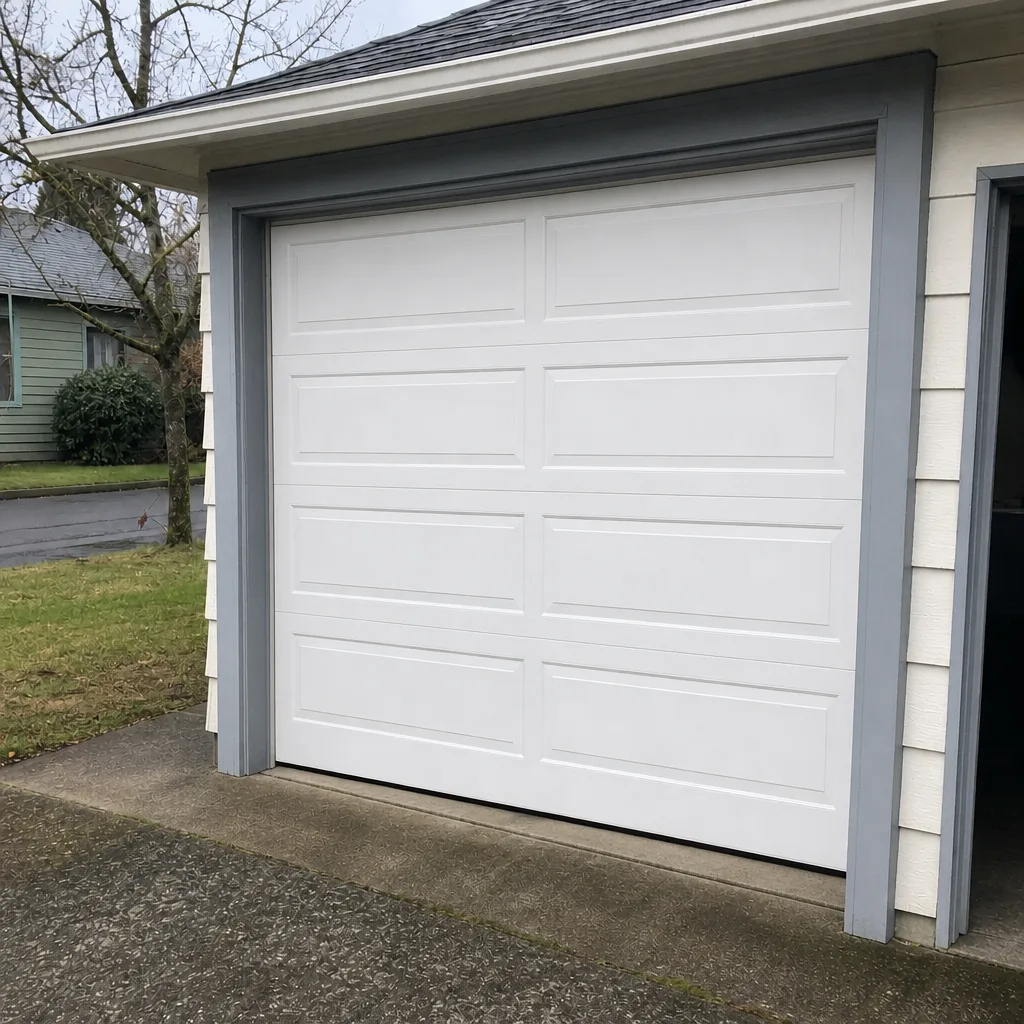 After