
Last updated November 15, 2026
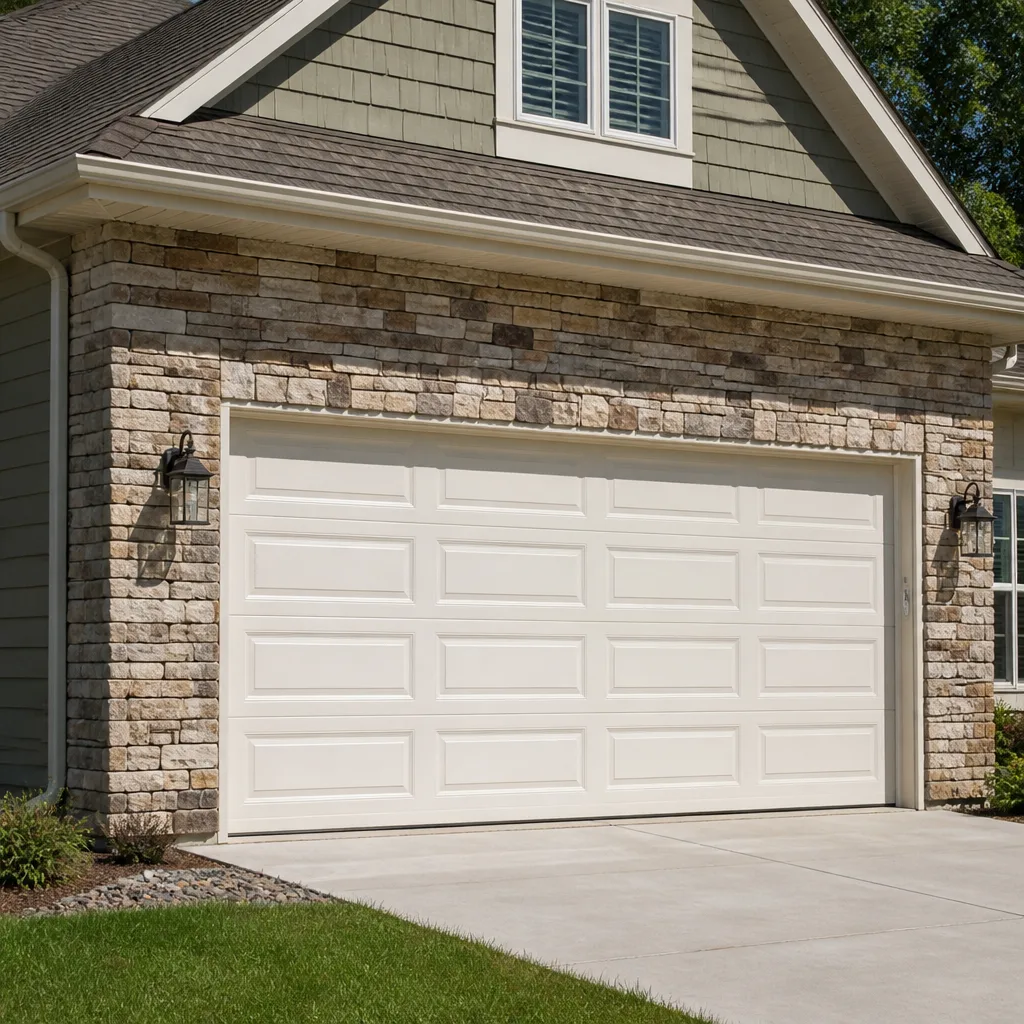 Raised-panel steel
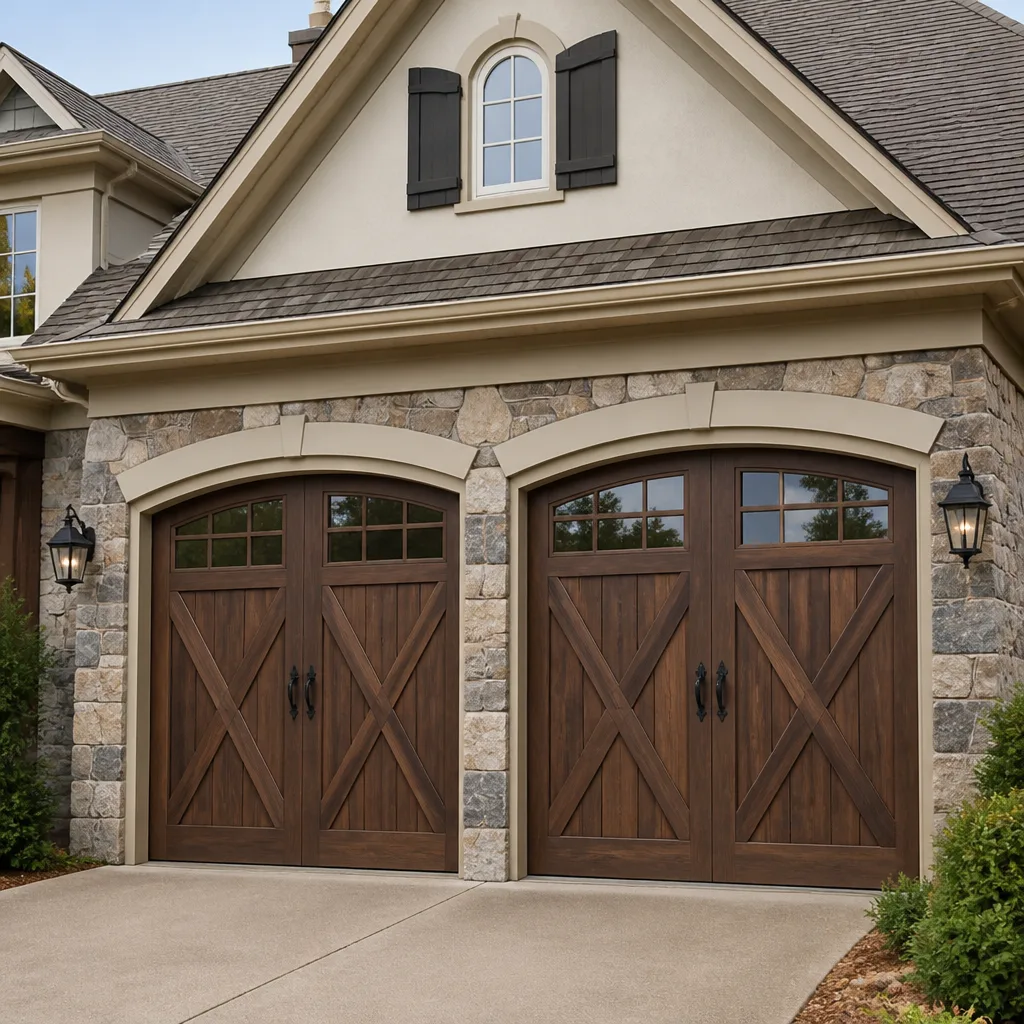 Carriage house
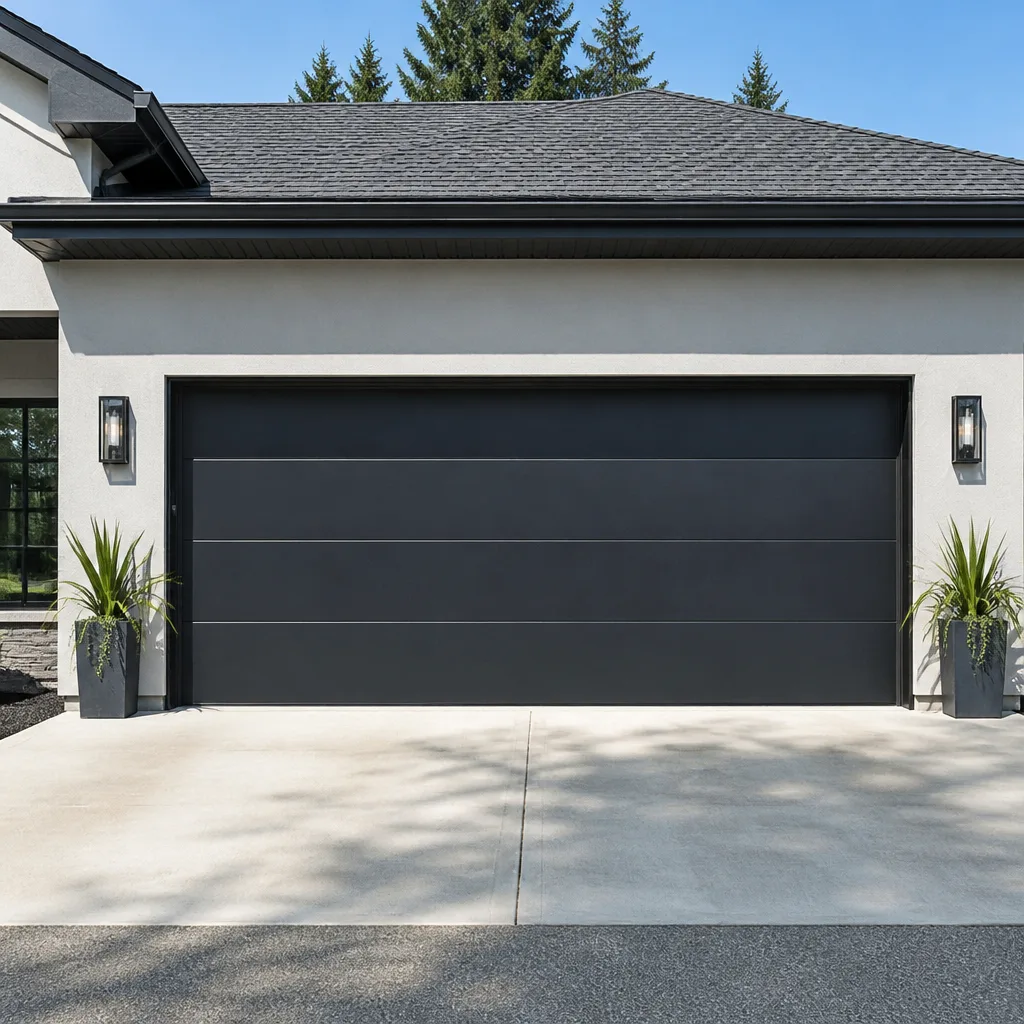 Modern flush
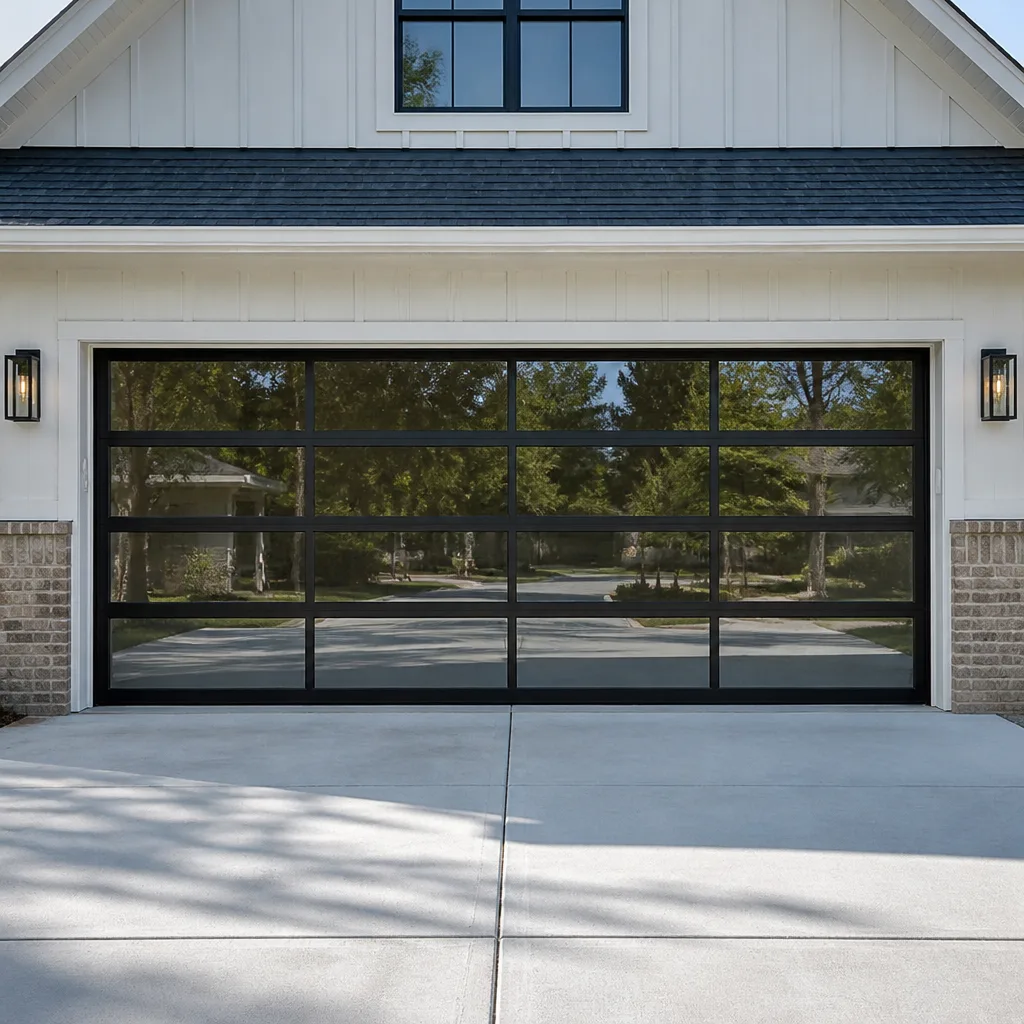 Full-view glass
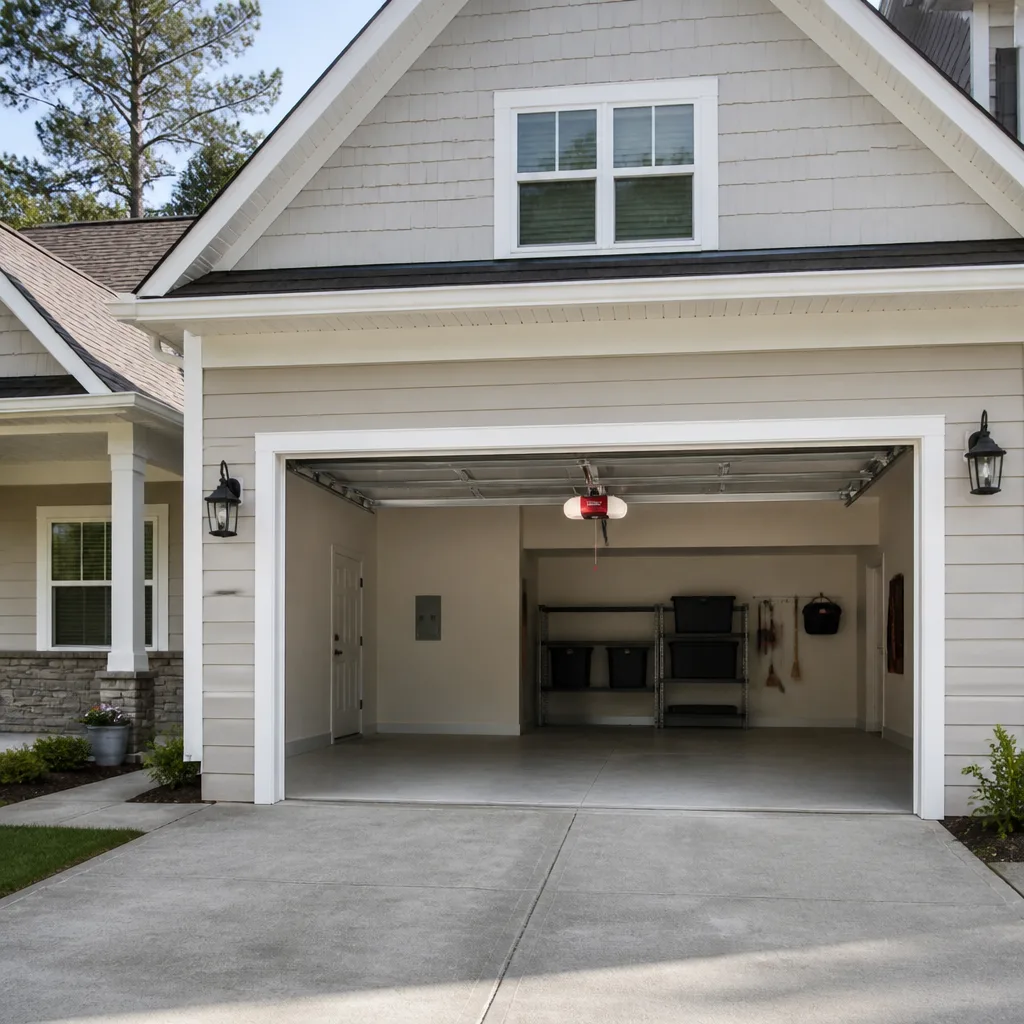 LiftMaster openers
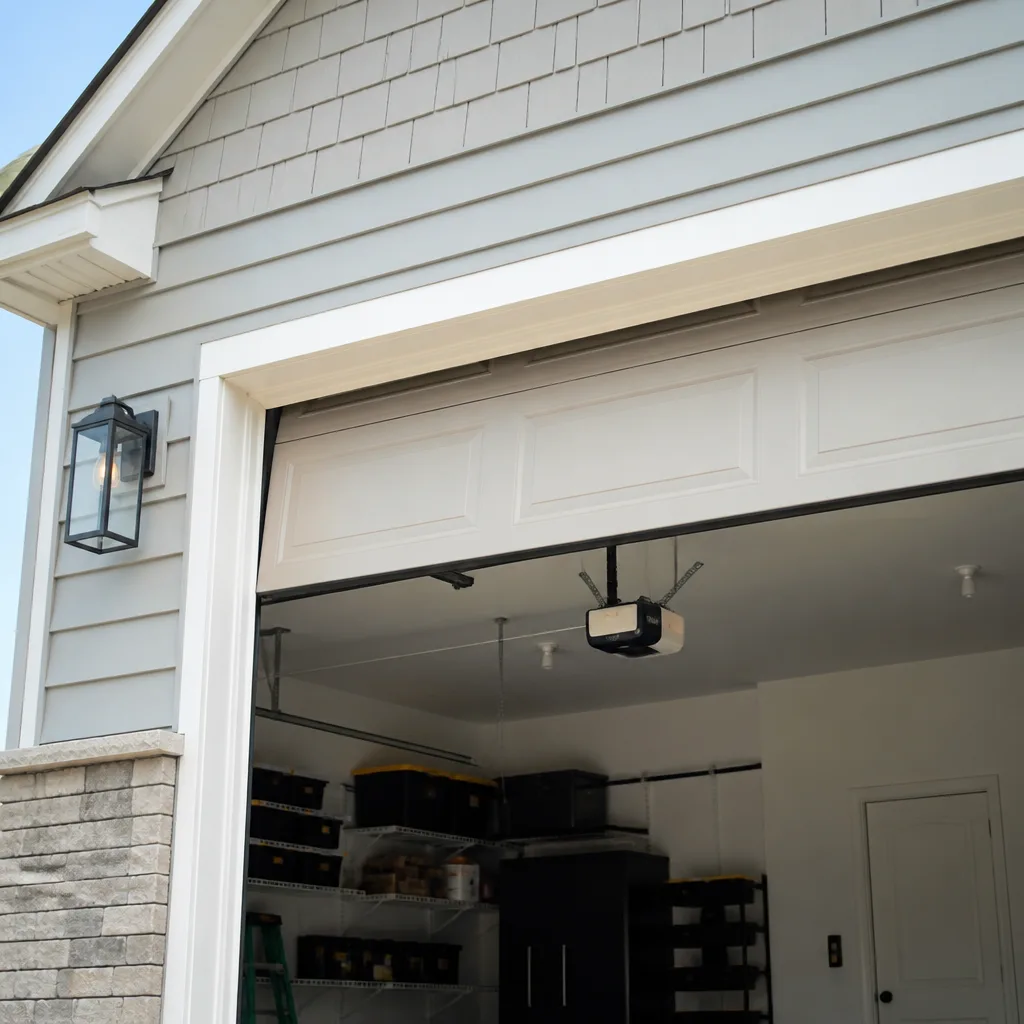 Chamberlain openers
Full 25-point door and opener safety check with every visit - springs, cables, rollers, tracks, and your LiftMaster or Chamberlain opener included
You get a price before we start. It does not change when the pro arrives.
Get your free estimateGarage Door Repair Maintenance Schedule: What to Do and When
Most homeowners treat garage door maintenance as one annual chore, something to check off in spring and forget about. That’s the wrong mental model, and it’s why failures catch so many Hillsboro households by surprise. A torsion spring has a rated cycle life built into its design, typically around 10,000 open-and-close cycles. For a household that runs the door four times a day, that’s 7 to 9 years of use, and most of those doors never get a single maintenance task that could stretch the spring’s life. The door works fine, then one morning it doesn’t.
What follows is the schedule we’d give a neighbor: three separate routines at three different intervals, each aimed at parts that wear on their own timeline. You’ll learn what to check monthly, what to lubricate and tighten every few months, and what a professional needs to look at once a year, plus the Hillsboro seasonal tasks that don’t apply in drier or milder climates.
Quick Answer
A garage door maintenance schedule works best as three routines: a monthly visual check of springs, cables, rollers and the auto-reverse safety system (under five minutes), quarterly lubrication and hardware tightening, and an annual professional inspection of springs, balance and opener force settings. Skipping the quarterly and annual steps is what shortens spring life and leads to the failures homeowners describe as sudden. The full schedule below breaks each routine down by component and season.
Styles & brands we work with
- Raised-panel steel
- Carriage house
- Modern flush
- Full-view glass
- LiftMaster openers
- Chamberlain openers
Table of Contents
- Why a Single Annual Checklist Falls Short
- The Monthly Routine: What to Check in Five Minutes
- The Quarterly Routine: Lubrication and Hardware
- The Annual Routine: What a Professional Inspects
- The Two Safety Tests That Take Under Three Minutes
- The Right Lubricant for Each Part (and Why WD-40 Isn’t It)
- Hillsboro Seasonal Tasks: Pre-Winter, Temperature Swings, Summer Dust
- Maintenance That Protects Your Warranty
Why a Single Annual Checklist Falls Short
The parts of a garage door system don’t wear at the same rate, so they can’t be maintained on the same schedule. A steel track collects grit and slowly loses alignment. Rollers flatten and develop flat spots. Hinges work loose from vibration. Springs fatigue with every cycle, and the rate accelerates once they’re past their rated life. An opener’s logic board and safety sensors sit in a different category entirely, sensitive to power surges and dust rather than mechanical wear.
Collapsing all of that into one yearly task means some parts get attention too late and others get it needlessly. Tightening a hinge every month is wasted effort. Ignoring it for three years is how a hinge works loose enough to bind the door. The three-interval schedule sorts the work by how fast each group of parts actually degrades.
In our experience around Hillsboro, the doors that last longest aren’t the expensive ones. They’re the ones where someone cleaned the tracks before the summer dust packed in and lubricated the moving parts before winter. Small, well-timed tasks beat one big repair every time.
- Monthly: visual inspection of springs, cables, rollers, tracks and safety sensors. No tools, no lubricant.
- Quarterly: lubrication of springs, hinges and rollers, plus tightening of hardware and cleaning the tracks.
- Annually: professional inspection of spring tension, door balance, opener force limits and overall system alignment.
The Monthly Routine: What to Check in Five Minutes
The monthly routine is a look, not a repair. You’re checking that nothing has changed since last month: no new gaps, no fraying, no parts that look off. Five minutes with the door closed and then opened once is enough.
- Look at the springs. With the door closed, check the torsion spring above the door or the extension springs along the sides. You’re looking for gaps, a stretched or sagging spring, or visible rust. A spring with a gap has broken, and the door should not be operated until it’s repaired. Don’t touch or test the spring itself.
- Check the cables. Follow each cable from the drum to the bottom bracket. You’re looking for fraying, kinks or slack. A cable that looks worn is a stop-and-call situation, not a maintenance item.
- Glance at the rollers. With the door open, look at the rollers in the tracks. Missing rollers or ones that look cracked or flattened need attention.
- Scan the tracks. Look for dents, debris or sections that appear bent. Don’t try to bend a track back into shape yourself; alignment affects how the whole door moves.
- Test the safety sensors. More on this below, but the monthly test is just confirming the door reverses when the beam is blocked.
- Listen. Open and close the door once. Grinding, squealing or a door that hesitates are early signals. A quiet door is a healthy door.
Write down anything that changes. If a sound appears one month and gets louder the next, that’s a pattern worth acting on. If you spot something in Hillsboro that looks immediately dangerous, like a snapped spring or a cable that’s come off its drum, stop using the door and garage door repair is the correct next call, not a weekend project.
The Quarterly Routine: Lubrication and Hardware
Every three months, the door gets a real once-over. This is where you lubricate the moving parts and tighten the hardware that vibration has loosened. It takes 15 to 20 minutes and heads off most of the small problems that turn into big ones.
What gets done every quarter
- Lubricate the springs. A light coat of a garage-door-specific lubricant on the torsion springs (or extension springs) reduces friction and helps them last longer. This is a lubrication task, done with the door closed and the spring untouched. Never try to adjust spring tension yourself.
- Lubricate the hinges and rollers. A few drops on each hinge pivot point and each roller bearing. Don’t overdo it; a thin film is enough.
- Tighten the hardware. Check the bolts and screws on the hinges, brackets and track supports. Loose hinge screws are one of the most common causes of a door that rattles or binds.
- Clean the tracks. Wipe the inside of each track with a damp cloth to remove grit and dust. Don’t use a solvent or heavy grease in the track; both attract dirt.
- Check the weatherstrip and bottom seal. Look for cracks, gaps or a seal that no longer touches the floor. A bottom seal that’s worn lets in cold air and rain, which matters more in western Oregon than most places.
Quarterly timing is a good match for the seasons. Do one round in late spring, one before the wet season starts in fall, and one in the middle of each. For Hillsboro homes, the fall round is the important one because it sets the door up for the moist months ahead. If you’re on the fence about whether something is a lubrication issue or a repair issue, that’s a fair question for a technician to answer during an inspection.
The Annual Routine: What a Professional Inspects
The annual inspection is where a trained eye adds something the homeowner can’t see. It’s not a sales pitch; it’s a look at the parts that fail silently and the settings that drift over time. For most Hillsboro homeowners, once a year is the right cadence, timed before the wet season.
What a technician checks
- Spring tension and cycle life. A technician can assess how much life is left in the springs and flag ones that are close to their rated cycle count. That’s the single most useful thing an annual inspection does, because it lets you plan a spring replacement instead of discovering it on a cold morning.
- Door balance. A door that’s out of balance puts extra strain on the opener and the springs. The technician checks this with the door disconnected from the opener.
- Opener force settings and travel limits. These control how hard the opener pushes and where the door stops. They drift, and out-of-spec settings are a safety issue, not just a convenience one.
- Cable and drum condition. Cables are the parts most likely to be overlooked by homeowners and the ones that need a professional’s judgment.
- Hinge, roller and track alignment. The technician checks torollers that are wearing unevenly and tracks that have shifted, and confirms the door runs straight.
- Safety sensor alignment and opener logic. Especially relevant for smart openers, which have more electronics to go wrong than a basic unit.
An annual inspection is also when to have a conversation about your opener. If it’s an older Genie or a smart-home-connected unit, the technician can tell you whether it’s worth servicing or whether you’re looking at a garage door opener repair situation. And for Hillsboro homeowners whose systems have been through several seasons without a look, it’s the check that sets a baseline for everything to come.
The Two Safety Tests That Take Under Three Minutes
These two tests confirm the two safety systems that matter most. Do them monthly. Together they take less than three minutes, and they’re the best return on time you’ll get from any maintenance task.
1. The balance test
The balance test tells you whether the springs are carrying the door’s weight properly. It’s done with the opener disconnected.
- Close the door and pull the manual release cord to disconnect the opener.
- Lift the door about halfway by hand.
- Let go. A balanced door stays where you put it, or holds close to it. A door that drops or rises on its own is out of balance.
- Reconnect the opener and confirm the door runs normally.
An out-of-balance door puts strain on the opener and is a sign the springs are weakening. It’s a reason to book an inspection, not something to fix by adjusting the springs yourself. Torsion springs are under high tension, and adjusting them without the right tools and training is a genuine injury risk. Leave that to a trained technician.
2. The auto-reverse test
This confirms the door reverses when it meets an obstruction and when its safety beam is blocked.
- Place a piece of wood or a brick on the floor in the door’s path.
- Close the door and watch. It should reverse within a couple of inches of the obstacle.
- With the door open, wave a hand or a long object through the safety beam near the floor. The door should not close, or should reverse if it starts to.
- Remove the obstacle and test once more to confirm normal operation.
If either test fails, the door should not be operated until it’s repaired. A door that won’t reverse is a serious safety issue, and it’s one of the most common reasons we get called. We can work with any brand’s sensor system, from a Chamberlain unit to a Raynor door.
The Right Lubricant for Each Part (and Why WD-40 Isn’t It)
This is where a lot of well-intentioned maintenance goes wrong. WD-40 is the default “make it stop squeaking” product in most garages, and for a garage door it’s the wrong choice for most parts. It’s a solvent, not a lasting lubricant. It cleans and displaces water, then evaporates, leaving the parts dry and sometimes stripping away the lubricant that was there. It can also attract dust, which is the last thing you want in a track or a hinge pivot.
What to use where
- Springs: a garage-door-specific lubricant, applied as a light film. Not WD-40, not motor oil.
- Hinges: a drop of light machine oil or a garage-door lubricant on each pivot.
- Rollers: a few drops of lubricant on the roller bearings. If the roller is sealed, a light application is enough; don’t over-grease.
- Tracks: no lubricant. Clean them and leave them dry. Lubricant in a track collects debris and makes the door run worse.
- Bottom seal and weatherstrip: a silicone-based product to keep the rubber flexible, especially before winter in Hillsboro.
- Opener: follow the manufacturer’s guidance. Most openers need very little, and the moving parts are internal.
A can of proper garage-door lubricant is a small investment that keeps the right parts moving smoothly. It’s worth keeping one in the garage and using it on the quarterly schedule rather than reaching for the WD-40 every time something squeaks.
Hillsboro Seasonal Tasks: Pre-Winter, Temperature Swings, Summer Dust
Hillsboro’s climate adds a few tasks to the general schedule. The wet season means more moisture at the door seal, the temperature swings mean more movement in the springs and tracks, and the dry summer means more grit in the tracks than a wetter or milder year would bring.
Pre-winter (October or early November)
This is the most important round of the year in Hillsboro. Do the quarterly lubrication and cleaning, then focus on the weatherstrip and bottom seal. Check that the bottom seal actually contacts the floor and that the weatherstrip around the door frame isn’t cracked. A worn seal lets water and cold air in, and it’s much easier to replace before the wet season than during it.
After temperature swings
Western Oregon gets swings between cold nights and mild days, and that movement works on springs and tracks. After a cold snap, do a quick balance test and listen for new noises. If the door has started to feel heavier or sounds different, get it looked at. A spring that’s been losing tension slowly can cross a threshold during a temperature swing.
Summer dust
The dry months bring dust that settles into the tracks. Cleaning the tracks in early summer keeps grit from working into the rollers and hinges. A damp cloth down the inside of each track, then a dry one, is all it takes. Don’t lubricate the tracks to compensate.
If your door is a Clopay or Amarr model with a specific seal or weatherstrip, that’s worth knowing when parts need replacement, and we can help you match the right component rather than improvising.
Maintenance That Protects Your Warranty
Skipping maintenance can affect more than how long parts last. For newer systems, especially LiftMaster and Chamberlain openers with smart-home integration, the manufacturer’s warranty often depends on reasonable maintenance being done. That doesn’t mean a DIY logbook; it means not ignoring the basics.
- Lubricate on schedule. A door that’s never been lubricated is a wear claim waiting to be questioned.
- Use the right products. The wrong lubricant, or a solvent that dries out the parts, can create a problem the manufacturer won’t cover.
- Don’t force worn parts. Running a door with a bad roller or a misaligned track accelerates wear and can void the coverage on the parts it damages.
- Have an annual inspection. A professional inspection documents the condition of the system, and that record matters if a warranty question comes up.
- Keep the opener firmware current on smart units. On Wi-Fi-connected openers, updates can affect how the unit behaves, and ignoring them can lead to a support issue that isn’t a mechanical repair at all.
If you’d rather not track the schedule yourself, that’s what we’re here for. We work on what you have, and the annual inspection is a good moment to get a clear picture of how much life is left in each component. From opener to spring to panel, we can tell you what’s fine and what’s coming.
Common Mistakes to Avoid
- Using WD-40 as a lubricant. It’s a solvent that evaporates and leaves parts dry. It can strip existing lubricant and attract dust, which is worse than doing nothing on parts that need a real lubricant.
- Lubricating the tracks. Grease in a track collects grit and makes the door run harder. Tracks get cleaned, not greased.
- Trying to adjust the springs yourself. Torsion springs are under high tension, and adjusting them without the right training and tools is how people get hurt. Lubricate them, check them visually, and leave tension work to a technician.
- Skipping the fall round in Hillsboro. The pre-winter check is the one that matters most here. A worn bottom seal and a dry weatherstrip let water in, and that’s a repair you’d rather avoid.
- Testing the auto-reverse feature only once a year. It’s the check that catches a safety failure early, and it takes under a minute. Do it monthly, not annually.
- Ignoring a new noise. A sound that appears and gets louder over a few weeks is a pattern worth acting on. It’s usually cheaper to address early than after the part fails.
- Treating the annual inspection as optional. Spring life and balance can’t be judged by eye. A professional inspection is how you find out a spring is near the end of its life before it breaks.
See the difference
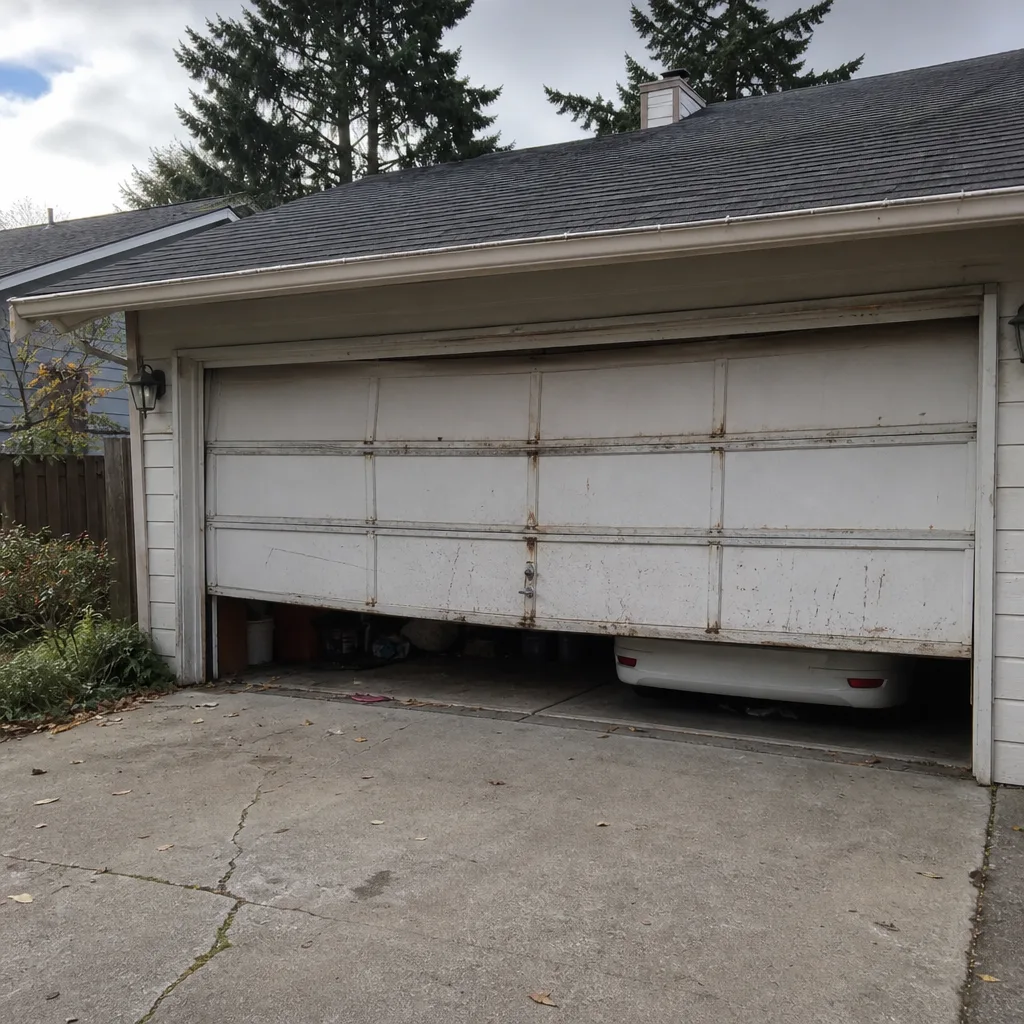 Before
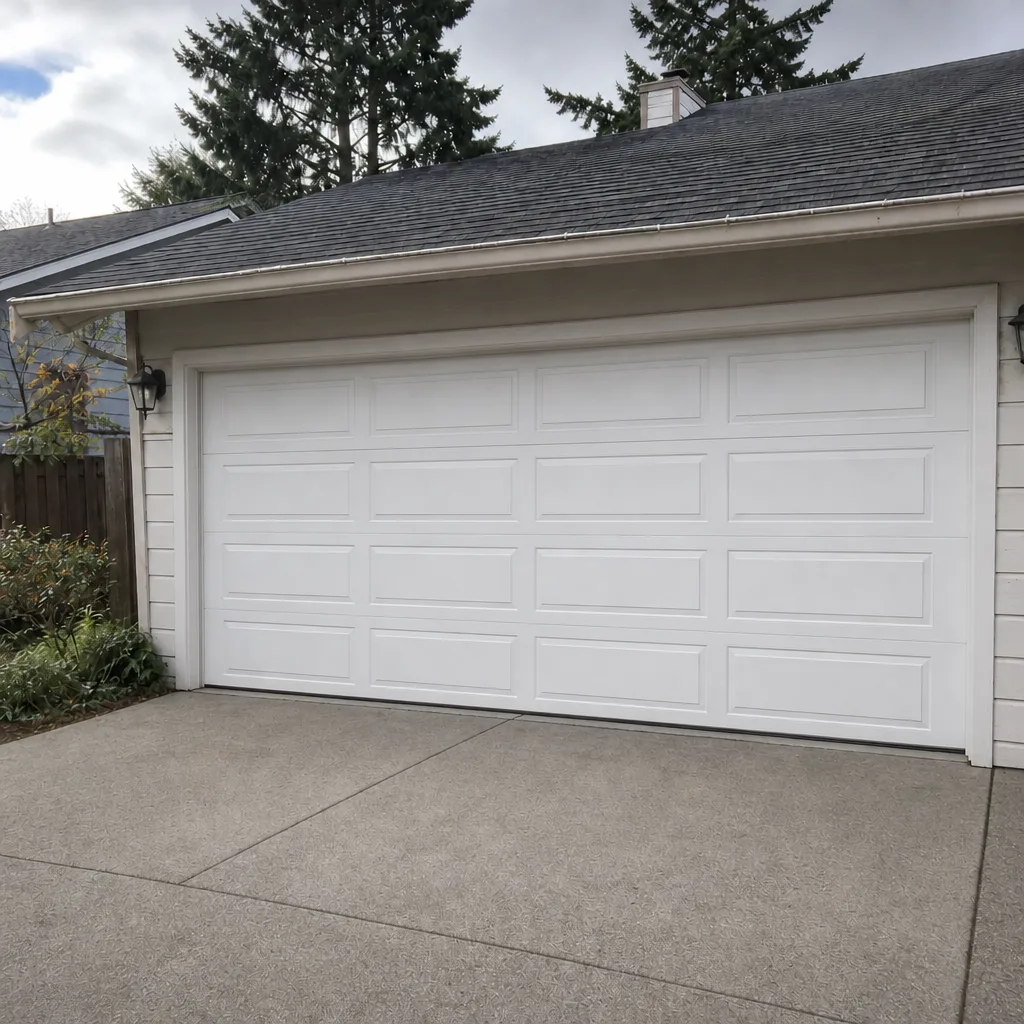 After
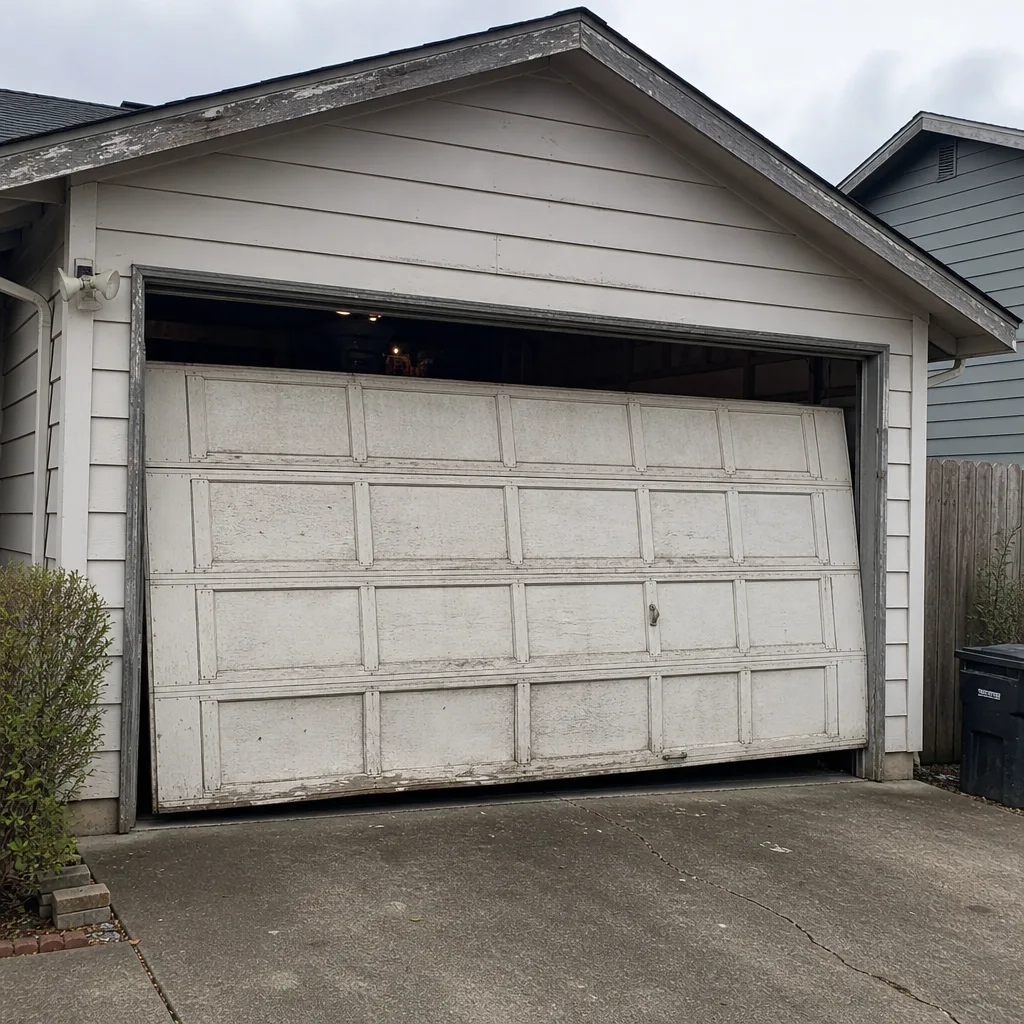 Before
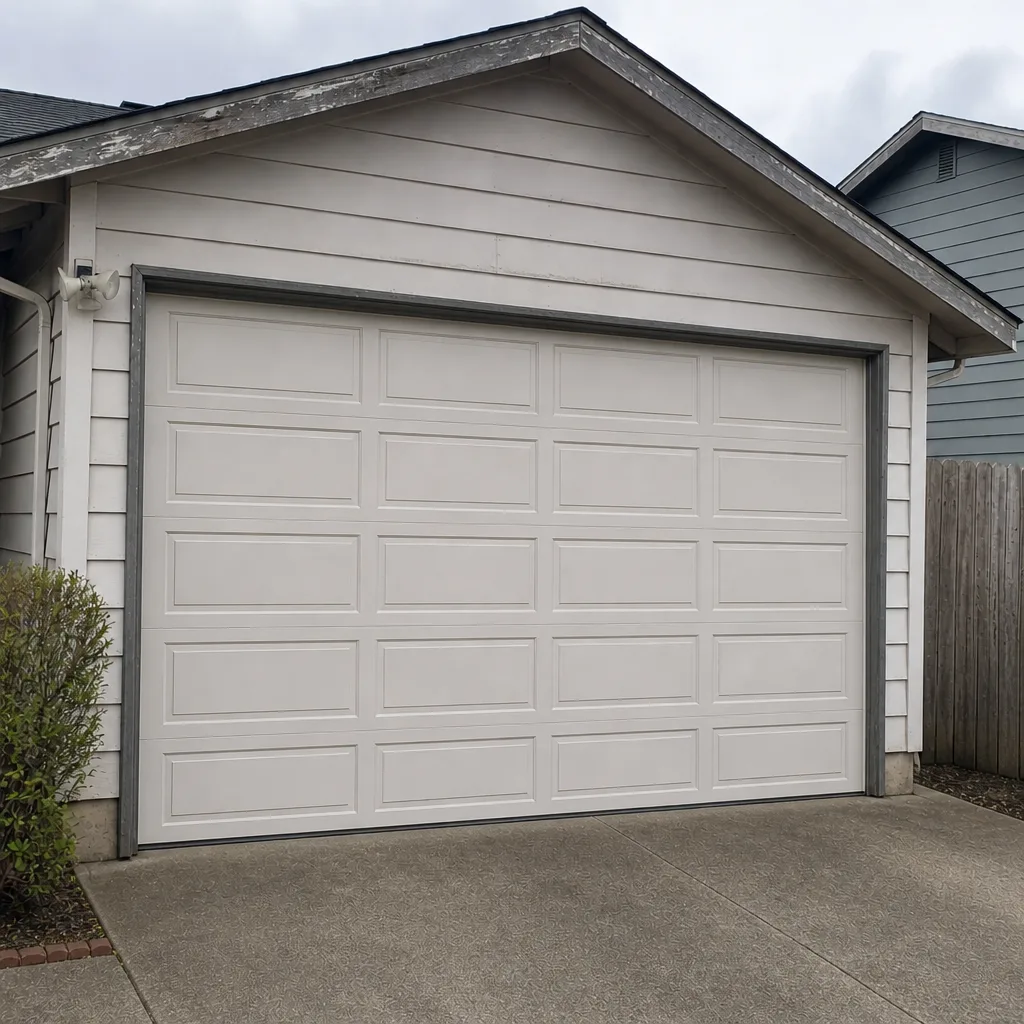 After
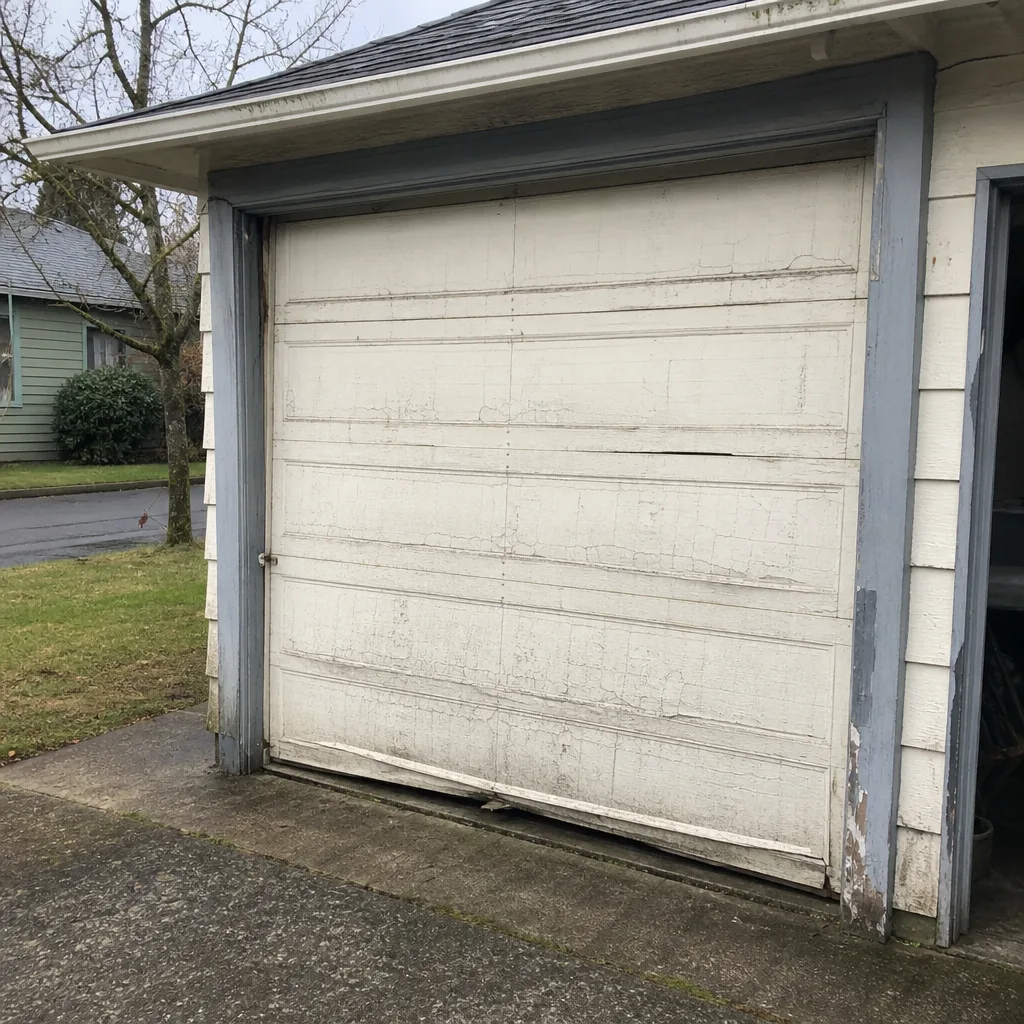 Before
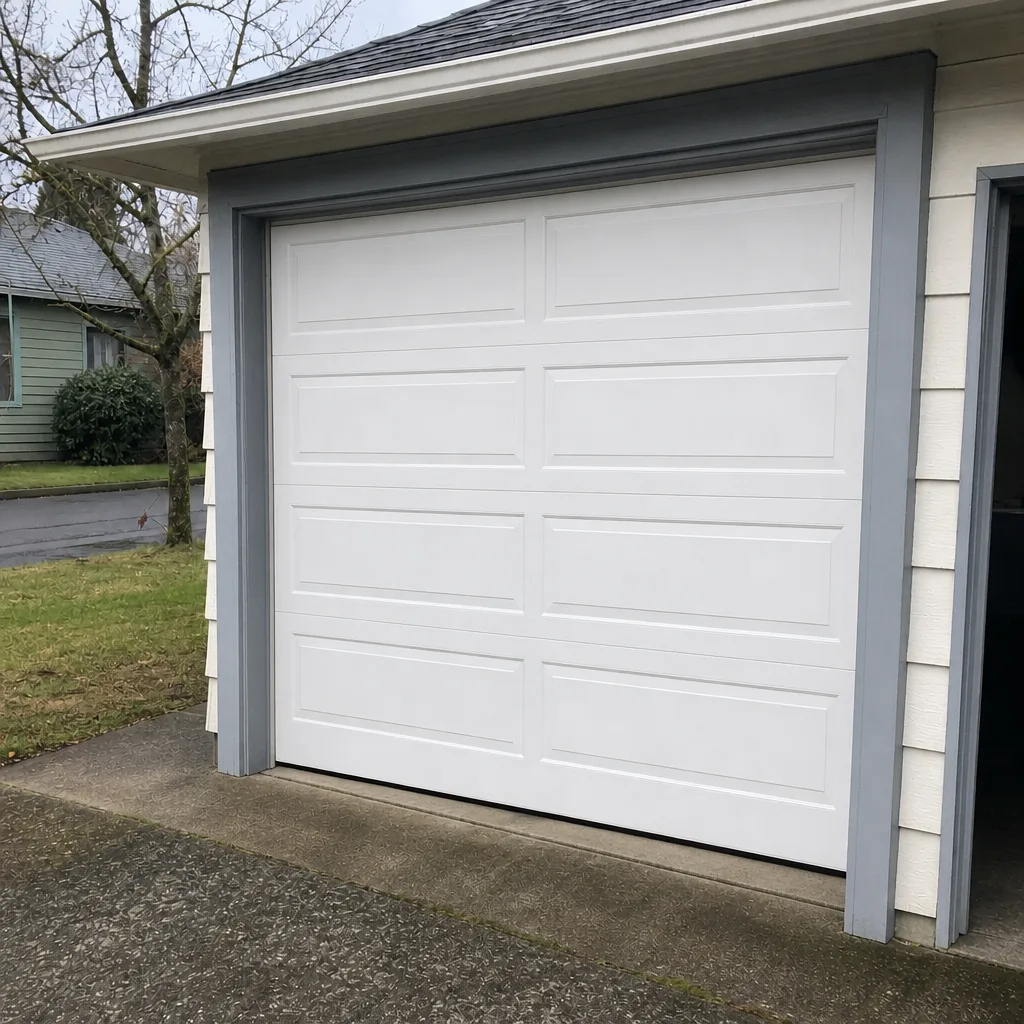 After
When to Call a Professional
Some tasks are homeowner-friendly, and some are calls for a trained technician. Call us if the door has a broken spring, a frayed or off-drum cable, a track that’s bent or has pulled loose, or a door that’s out of balance after you’ve run the balance test. Call if the auto-reverse test fails, because a door that won’t reverse is a genuine safety problem. And call if the opener has stopped responding, the safety sensors won’t align, or a smart opener won’t connect. Our technicians have up to 9 years of experience, and every call we take is a garage door call. Blackwell Garage Door Repair offers free estimates in Hillsboro. Call (888) 534-4142. We answer 24/7. Fast dispatch from 7am to 7pm, Sunday through Friday.
Frequently Asked Questions
Service it on three schedules: a visual check monthly, lubrication and hardware tightening every three months, and a professional inspection once a year. The annual inspection is the one that catches spring wear and balance issues before they cause a failure. If your door is more than seven years old or sees heavy daily use, don’t stretch the annual inspection longer than twelve months.
Yes, applying a light coat of garage-door-specific lubricant to the springs is a safe homeowner task. Adjusting spring tension is not; torsion springs are under high tension and adjusting them without the right training and tools can cause serious injury. That’s a job for a trained technician. Call (888) 534-4142 if your springs are noisy or the door feels heavy – estimates are free.
A garage-door-specific lubricant is best for springs, hinges and roller bearings, applied lightly. WD-40 is the wrong choice for most parts because it’s a solvent that evaporates and leaves the parts dry. Tracks should be cleaned and left dry, and the bottom seal and weatherstrip benefit from a silicone-based product to keep the rubber flexible.
Place a solid obstacle like a brick in the door’s path and close the door; it should reverse within a couple of inches of the obstacle. Then wave an object through the safety beam while the door is open; it should stop or refuse to close. If either test fails, stop using the door and call (888) 534-4142 for repair.
It can. Manufacturer warranties, especially on newer LiftMaster and Chamberlain openers, often expect reasonable maintenance like scheduled lubrication and proper use. Using the wrong lubricant or forcing a door with worn parts can create a problem the warranty won’t cover. A documented annual inspection helps protect your coverage.
It depends on the part and the system, which is why we quote per job by written estimate before any work starts. The written quote is the price, and you’ll know it before anything happens. Call (888) 534-4142 for a free estimate in Hillsboro.
The Bottom Line
A garage door maintenance schedule works when it’s three routines, not one. A five-minute monthly check catches safety failures and new noises early. Quarterly lubrication and tightening keeps the moving parts from wearing out. The annual professional inspection is how you learn how much life is left in the springs and whether the opener’s settings are still safe. In Hillsboro, the fall round matters most, so time your schedule around the wet season. The doors that last are the ones that get small, well-timed attention, not the ones that wait for something to break.
If you’re not comfortable with any of the tasks above, or if you’d rather have a technician look it over, call (888) 534-4142 for a free estimate. We answer 24/7, and fast dispatch runs from 7am to 7pm, Sunday through Friday.
For a closer look at our full range of services, visit Blackwell Garage Door Repair.
Written by the team at Blackwell Garage Door Repair.