
Last updated November 15, 2026
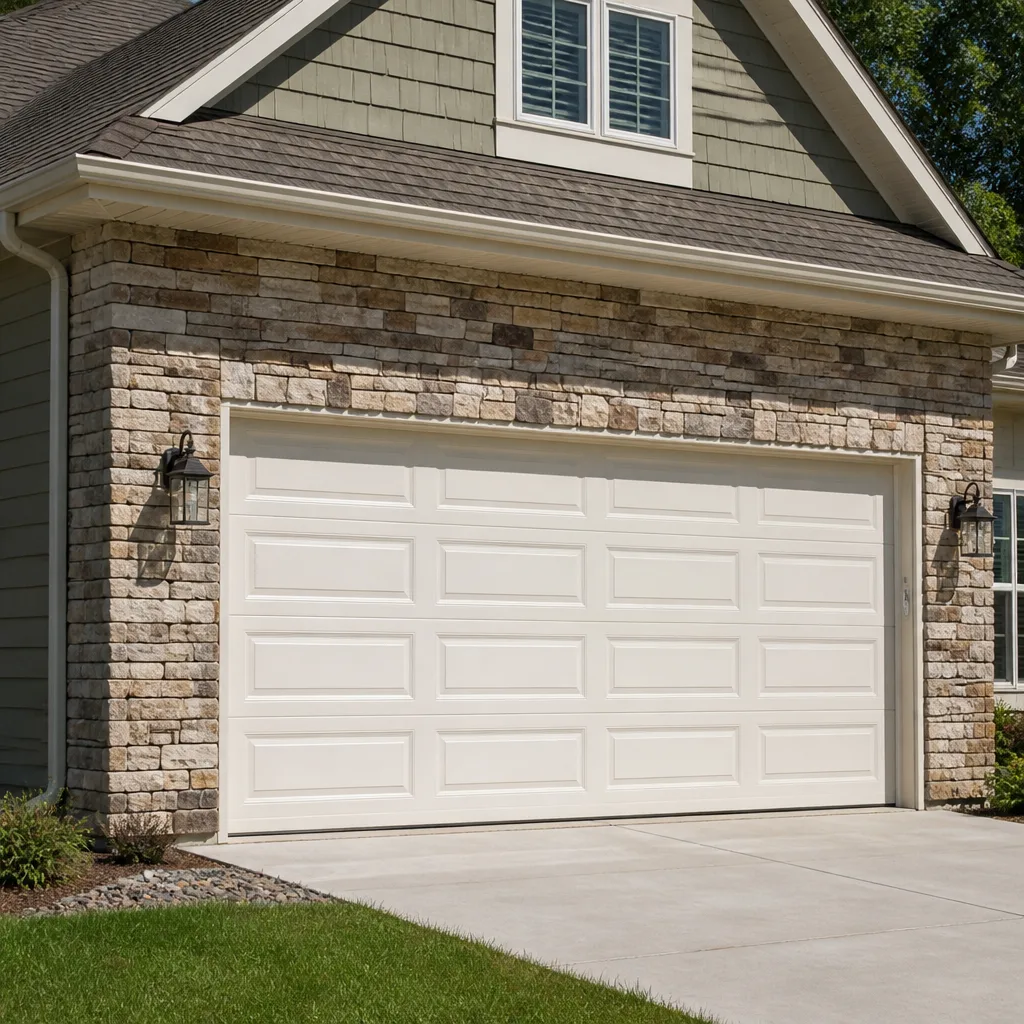 Raised-panel steel
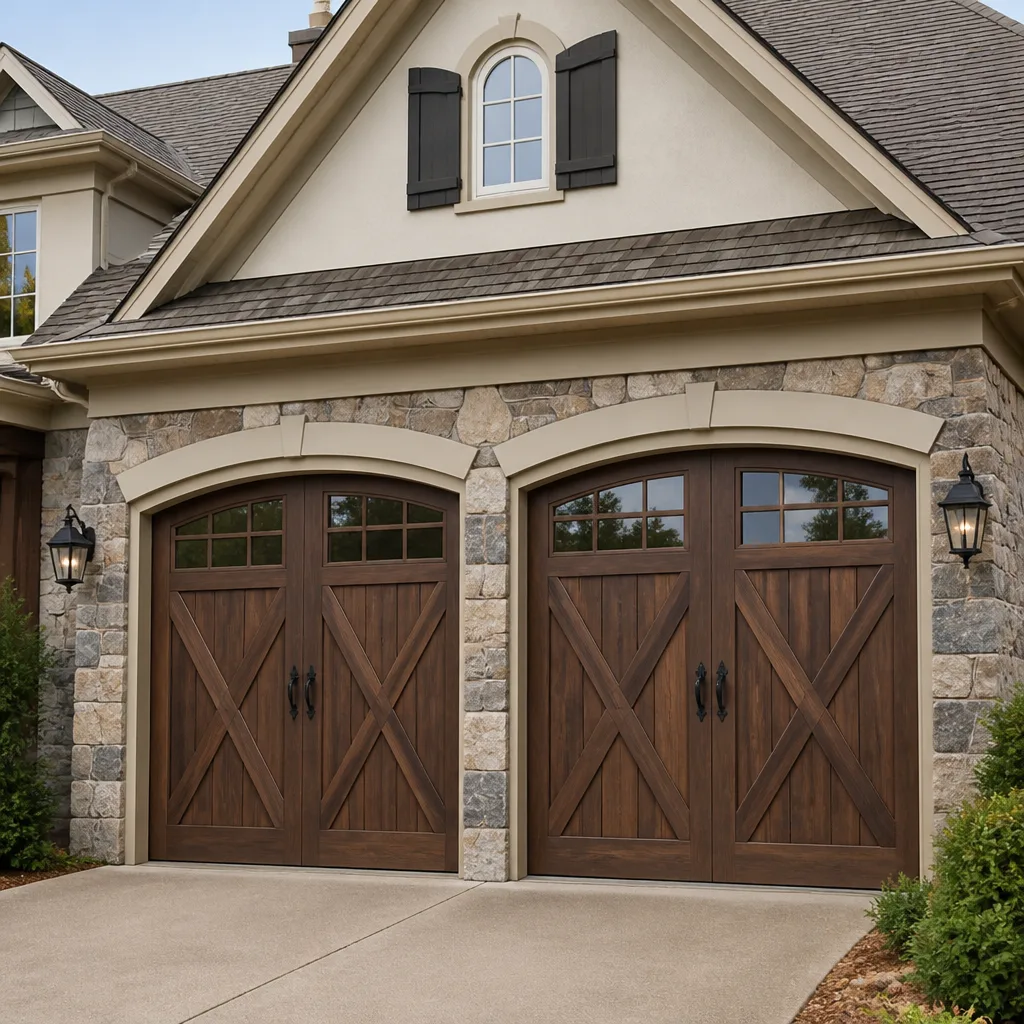 Carriage house
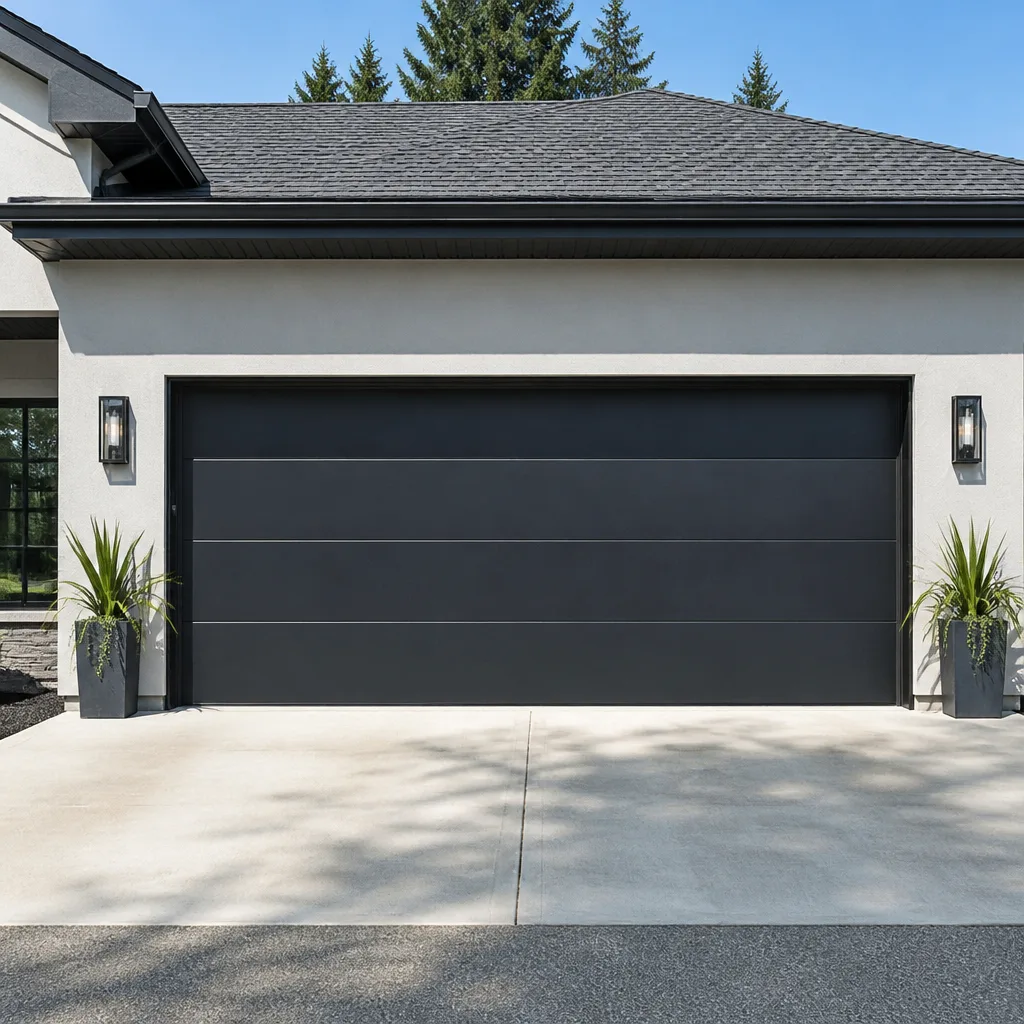 Modern flush
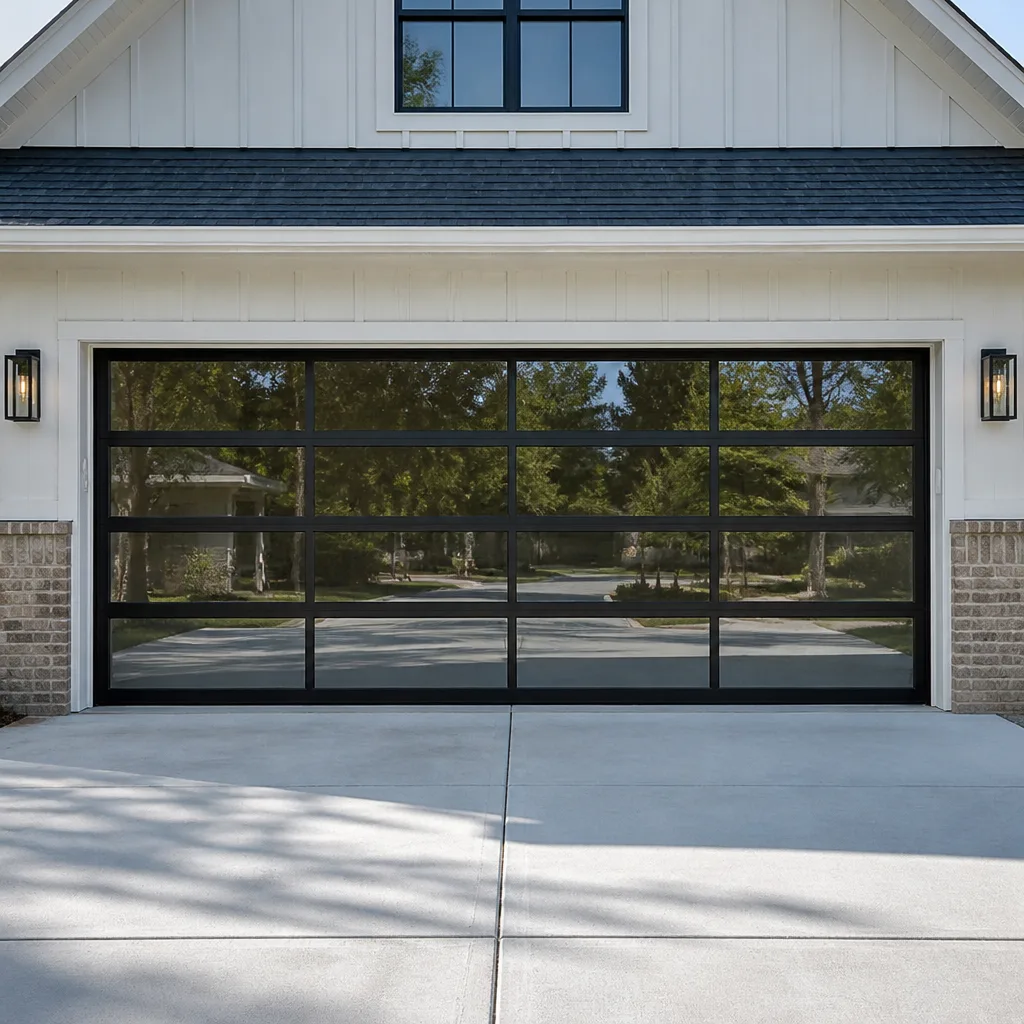 Full-view glass
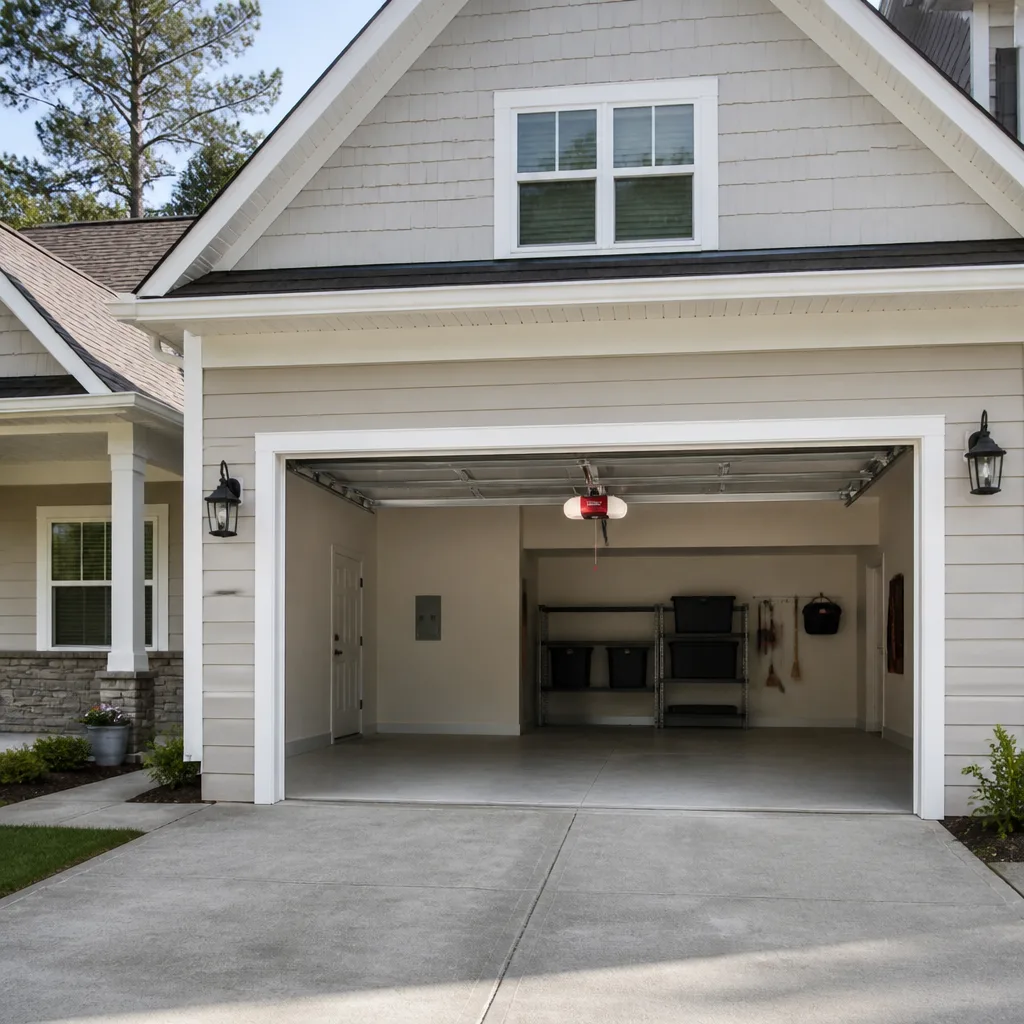 LiftMaster openers
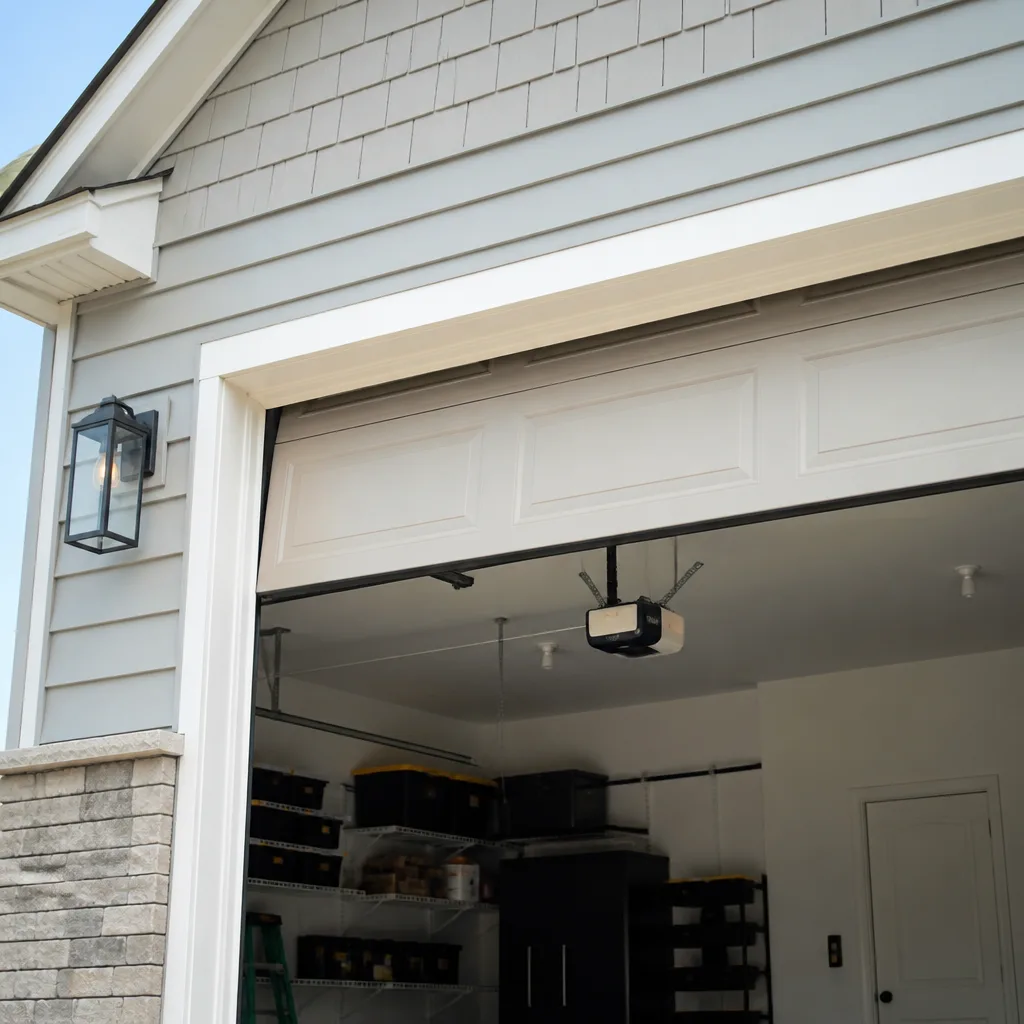 Chamberlain openers
Full 25-point door and opener safety check with every visit - springs, cables, rollers, tracks, and your LiftMaster or Chamberlain opener included
You get a price before we start. It does not change when the pro arrives.
Get your free estimateThe Complete Guide to Garage Doors in Hillsboro
Most “complete guides” could have been written about any city. This one starts with the fact that a home in South Hillsboro’s newer developments and a home off Cornelius Pass Road have almost nothing in common when it comes to what garage door system will last. The variables that break a door in Hillsboro aren’t the same everywhere in Hillsboro. This city packs wetter west-facing lots, a drier Tualatin Valley corridor, a wave of homes built during the 2000s and 2020s construction boom, and rural-edge properties with detached shops into one address list. This guide walks through how those differences shape panel material, weather seals, spring systems, and opener decisions, so you know what your specific home actually needs. Whether you’re mid-repair on a builder-grade door or planning a new install, the information below is written for the home you have, not the home a generic guide assumed.
Quick Answer
The garage door system that lasts in Hillsboro depends on when your home was built, where in the city it sits, and whether its garage is attached or detached. Doors in the wetter western neighborhoods need weather seals and moisture-resistant panel finishes more than doors in the drier Tualatin Valley corridor, and homes built during the 2000s – 2020s boom are hitting the natural end-of-life point for builder-grade springs, openers, and panels at roughly the same time. If you want the short version: match the hardware to the lot and the build year, and you’ll spend far less over ten years than if you buy on price.
Styles & brands we work with
- Raised-panel steel
- Carriage house
- Modern flush
- Full-view glass
- LiftMaster openers
- Chamberlain openers
Table of Contents
- How Hillsboro’s Microclimates Shape Door Choices
- Why Homes Built Between 2000 and 2020 Are Hitting End of Life
- Attached Garages vs. Detached Shops: Different Protocols
- Reading the Hillsboro Brand Ecosystem: Parts Availability Matters
- How to Read a Home’s Build Year to Predict Its Garage Door System
- Opener Decisions: Chain, Belt, Screw, or Jackshaft
- Insulation and Panel Material: What Actually Pays Back Here
- A Seasonal Maintenance Rhythm for a Hillsboro Home
How Hillsboro’s Microclimates Shape Door Choices
Hillsboro sits in the Tualatin Valley, and the valley floor is drier and sunnier than the west-facing slopes and lots that catch the wetter air rolling in off the Coast Range foothills. That difference matters to a garage door more than most homeowners realize. A steel door on a west-facing lot in the hills sees more rain-driven moisture, more seasonal expansion and contraction, and more opportunities for the bottom seal to degrade than the same door on a lot three miles east. Paint fails first on the wet side. Seals embrittle first on the wet side. Hardware starts to rust first on the wet side. None of it happens overnight, but over five to ten years the gap between two identical doors on two different lots is real.
What this means for hardware choices:
- Panel finish: On a wetter west-facing lot, a factory-painted steel panel with a proper primer layer outlasts a pre-painted door with a thin finish. If you’re replacing, ask what the paint system is, not just the color.
- Bottom seal: A vinyl or rubber bulb seal at the bottom of the door is a wear item, not a permanent part. Homes on wetter lots will replace that seal more often, and skipping it lets water wick into the door’s bottom panel where rust starts.
- Weatherstripping around the opening: The side and top stops on a door frame are the second line of defense. They touch the door on every cycle, and on wetter lots they need replacing sooner.
- Hardware finish: Hinges, rollers, and track hardware are vulnerable wherever moisture collects. Galvanized or coated hardware costs a small amount more and lasts noticeably longer on wet lots.
- Wood doors: A wood door on a wet lot needs more frequent refinishing than a wood door on a drier lot. Wood can absolutely work in Hillsboro, but the maintenance interval has to match the moisture load.
On the drier Tualatin Valley corridor side, the pressure flips slightly. Sun exposure and seasonal temperature swings do more of the wear than moisture does. Paint fades, seals dry out and crack from heat rather than damp, and wood components check and split. A door that stays wet in the hills will still get sun-beaten on the east side of the city. The system has to handle both, which is why we always ask which side of town a home is on before recommending a panel material.
If you’re weighing a repair versus a full replacement for a door on a wet-facing lot, our page on garage door repair walks through what’s worth fixing on an aging panel and what’s past saving.
Why Homes Built Between 2000 and 2020 Are Hitting End of Life
Hillsboro’s growth from roughly 2000 through 2020 was rapid, and the homes built during that period share something a lot of homeowners don’t realize until it fails: builder-grade garage door components on builder-grade timelines. The door that came with a new construction home in 2008 or 2012 was chosen by the builder for cost and code compliance, not longevity. Twenty years later those systems are all hitting their natural failure points at the same time.
Here’s what typically fails and roughly when:
- Springs: Standard torsion or extension springs on a builder-grade door run on a cycle count, not a calendar. A door that cycles four times a day (average for a family home) will wear out a spring set well within the first fifteen years. Builder-grade springs tend to last fewer cycles than premium springs, so a 2010 build is likely on its second spring already or is due.
- Openers: A chain-drive opener installed in 2008 is at the end of its useful life. The motor still runs, but the control board ages, safety sensors get finicky, and remote programming compatibility with modern vehicles and smart-home systems gets shakier every year.
- Rollers and hinges: Nylon rollers on a builder door have a service life tied to cycle count, and plastic hinges crack. The door gets louder before it stops working, which is usually the warning homeowners miss.
- Bottom seal: The seal is a wear part. On a 12- to 15-year-old door, the original seal is usually done.
- Panels: Steel skins on builder doors are thin. A single impact or a hinge that fails and lets the door rub can bend a panel beyond what’s worth repairing. Paint fading unevenly on a 15-year-old builder door isn’t a cosmetic issue; it’s the start of the moisture path that ends in rust.
What makes the 2000 – 2020 cohort different from older Hillsboro neighborhoods is density. Entire subdivisions were built within a few years of each other, so a whole street is hitting these failures in the same window. A homeowner on those streets isn’t the unlucky one; they’re on schedule. If you’re seeing a growing list of small issues on a door built in that window, you’re not looking at a string of bad luck. You’re looking at the door’s life stage, and the repair-versus-replace decision becomes a real one.
The good news: a 15- to 20-year-old door is worth repairing when the panels are still solid and the tracks are straight. When both have gone, a replacement usually costs less over the next decade than chasing failures. If you want the full picture of what repair covers, our Blackwell Garage Door Repair page lays out the three service types we handle.
Attached Garages vs. Detached Shops: Different Protocols
Hillsboro has a lot of both. Dense subdivisions around Orenco Station and South Hillsboro are almost all attached garages, sharing a wall with the house. Properties on the rural edge and the larger parcels toward the west end often have detached shops or outbuildings with their own garage doors. The garage door itself looks similar. The protocol around it does not.
Attached garages
- Opener safety is a household concern. The safety reverse system on an attached garage opener is the single most important safety feature in the system. It’s the reason a door stops and reverses when something is under it. Test it monthly: place a piece of wood flat on the floor in the door’s path, close the door, and confirm it reverses.
- Attic and house air share the garage. An attached garage is usually the coldest room in the house in winter and the warmest in summer. An insulated door makes a real difference to the room above the garage and to the door between garage and house.
- Smart openers matter more. Attached garages are where homeowners want remote open, close-on-schedule, and camera integration through a LiftMaster or Chamberlain system. If the door is the main household entry, the opener is effectively a smart-home device.
- Noise travels into the house. A chain-drive opener under a bedroom is a different experience than a chain-drive opener under nothing. Belt-drive is quieter, and it’s the right call more often in attached garages.
Detached shops and outbuildings
- The door can be bigger and heavier. Detached shops often have wider, taller doors that need heavier torsion springs and a different track configuration than a suburban two-car door.
- Power access is a factor. An outbuilding on its own circuit may need its own opener wiring setup. If the opener is old enough, replacing it may mean bringing the electrical up to spec at the same time.
- Opener range is a bigger deal. The remote control for a detached shop has to reach from the house or the driveway. That’s where multi-frequency openers and smart controllers with phone-based operation solve a problem a basic opener can’t.
- Climate control is optional. An insulated door for a shop is a decision about how much heat loss you’re willing to tolerate when the shop door opens in January. Different math than an attached garage.
Every opener we service runs on the same basic safety logic, but the protocol a homeowner follows is specific to the building. If your opener is failing on either kind of garage, our garage door opener repair page covers what we handle.
Reading the Hillsboro Brand Ecosystem: Parts Availability Matters
One variable most guides ignore: how fast a part shows up when something fails. The right door hardware is the one you can actually get serviced. In Hillsboro specifically, some brands have local parts distribution through general supply channels, and some don’t. The difference between a two-day repair and a two-week wait often comes down to which brand is on the wall of your garage.
Here’s the practical breakdown from what we see in town:
- LiftMaster and Chamberlain: Widely distributed and easy to source parts for locally. These brands dominate the attached-garage opener market and have the cleanest parts availability. Their safety sensor design is well understood across the trade.
- Genie: Also broadly supported. Older Genie models may need part-specific ordering, but most repairs are straightforward.
- Craftsman: The opener line was made under a licensed arrangement and most legacy models are well understood, though specific control boards can be slow to source on older units.
- Raynor, Clopay, Amarr, Wayne Dalton: Strong residential door brands with good long-term support, but individual panel or track parts usually come from dealer-specific distribution rather than general supply. That’s not a reason to avoid them; it’s a reason to know what model you own before the door fails, so the part can be ordered in advance.
Why this matters in practice: a broken spring is a same-day repair on a well-distributed brand and a scheduled repair on a brand that needs a specific part ordered. Nothing is wrong with either. But if you’ve ever wondered why one neighbor’s door gets fixed the same day and yours takes a week, brand distribution is usually the hidden answer.
Our approach is to work on what you already have. We service Raynor, LiftMaster, Chamberlain, Genie, Clopay, Amarr, Wayne Dalton, and Craftsman systems, and the right fix is the one that fits the door on the wall, not the one that happens to be easiest to stock.
How to Read a Home’s Build Year to Predict Its Garage Door System
You can usually predict what garage door system a Hillsboro home has by knowing when it was built. Not certain, but close. Here’s the rough map, and if you’re a homeowner who wants to understand what you’re staring at before you call, it’s a useful starting point:
- Pre-1980 homes: Look for a wood door or an early steel door with extension springs along the horizontal track. Springs run along the sides of the door over pulleys. Openers, if present, are likely older chain-drive units or absent. Track is often lighter gauge than modern installations.
- 1980 – 1995: Standard torsion spring over the door on a shaft across the header. Steel doors with a single sheet panel. Chain-drive LiftMaster or Genie openers are common. Track configurations are standard 12-inch radius on a typical seven-foot door.
- 1995 – 2010: Steel sectional doors with more insulation options. Torsion spring sets are the norm. Chain-drive openers with safety reverse systems and photo-eye sensors enter the picture. Amarr and Clopay doors show up frequently on this cohort in Hillsboro.
- 2010 – 2020: Belt-drive openers become common in attached garages. High-lift or low-headroom track configurations become more frequent as builders worked ceiling heights. Insulated doors standard on mid-range builds. LiftMaster, Chamberlain, and Genie dominate the opener side.
- 2020 to present: Smart openers with Wi-Fi and app control are the default. MyQ compatibility (LiftMaster, Chamberlain) is nearly universal on new installs. Doors are more likely to be insulated and to have a more weather-tight seal out of the box.
None of this is ironclad. Builders mixed and matched, and doors get replaced mid-life. But if you know the build year of your home and you look at the door, you can usually match what you see to the cohort above. That’s the starting point we use when we arrive: what was on this house originally, what’s been changed, and what’s due next.
The one thing you don’t want to do is try to fix a torsion spring yourself. Torsion and extension springs are under enough tension to cause serious injury, and adjusting or replacing them is squarely a job for a trained technician. Same with track adjustment if a door has come off-track; that’s not a homeowner task.
Opener Decisions: Chain, Belt, Screw, or Jackshaft
If you’re replacing an opener in Hillsboro, the drive type matters more than most homeowners expect. Here’s the plain-English guide to each:
- Chain drive: Durable, inexpensive, loudest of the four. The right call for a detached shop where noise doesn’t matter and affordability does.
- Belt drive: Quieter, better for attached garages and bedrooms above the garage. Belt drives still need periodic tensioning, but the noise reduction is worth it in a shared-wall home.
- Screw drive: Reliable in extreme temperatures, but with a slight trade-off in noise and long-term maintenance. Less common in Hillsboro than chain or belt, but not wrong.
- Jackshaft (side-mount): Mounts to the wall beside the door rather than overhead, using the torsion bar. The obvious choice when a homeowner has high ceilings, needs the ceiling space back, or wants a clean look. It also makes sense on doors with unusual track configurations.
On the smart-home side, the biggest decision is Wi-Fi. If you want to open or close the door from your phone, schedule it, or connect it to a home hub, that’s a genuinely different opener than a base model. LiftMaster’s MyQ and Chamberlain’s equivalent systems are the most straightforward for this. Genie has its own integrated smart options. Older openers can sometimes be made smart with a bridge device, but the user experience is not the same as a native connection.
If the opener you have still works, replacing it purely for smart features is a judgment call. If it’s nearing end of life anyway, buying a smart-capable unit now is cheaper than adding a bridge to an old unit later. If your opener has stopped working or is misbehaving, take a look at our garage door opener repair page to see what’s fixable before you commit to a replacement.
Insulation and Panel Material: What Actually Pays Back Here
Hillsboro’s climate is mild compared to most of the country, which changes the insulation math. A fully insulated polyurethane door with a high R-value is worth the extra cost in Minneapolis. In Hillsboro, the picture is more nuanced.
- Attached garage under bedrooms or living space: Insulation matters. The garage buffers the room above, and an insulated door keeps the buffer warmer in winter and cooler in summer. A basic insulated steel door is usually the right answer here.
- Attached garage not under living space: Insulation is a comfort and moisture decision more than an energy decision. A non-insulated door with good weather seals keeps the garage usable; a fully insulated door is nicer but won’t pay back as fast as homeowners expect.
- Detached shop: Insulation is a decision about how much you want to heat the shop. If the shop is heated, insulate. If not, the door’s job is weather-tightness, not R-value.
- Material choice: Steel is the default for good reasons. It’s the most stable across Hillsboro’s seasonal swings, it takes a factory finish well, and it’s serviceable. Wood looks great and works here with the right maintenance interval. Aluminum is light and rustproof but dents easily and doesn’t insulate much on its own. Fiberglass sits in the middle: stable, but the finish requires occasional refinishing to stay weather-tight.
The biggest mistake we see on insulation is buying based on R-value alone. A high-R-value door installed with a poor bottom seal and bad side stops loses most of its advantage to air movement. The seal matters at least as much as the insulation.
A Seasonal Maintenance Rhythm for a Hillsboro Home
A garage door in Hillsboro doesn’t need a lot of attention, but it does need the right attention at the right time. Here’s the routine we recommend to homeowners, structured around the local climate:
- Every month: Test the safety reverse on the opener with the wood-block method described above. Look at the photo-eye sensors to confirm they’re aimed at each other and the lenses are clean.
- Every three months: Wipe the bottom seal with a damp cloth and look for cracks or flat spots. On wetter west-side lots, check more often.
- Every six months: Lubricate hinges, rollers, and the torsion spring with a proper garage door lubricant (not WD-40, which is a solvent, not a lubricant). Look at the spring wind and check for any gap or stretch.
- Every fall, before the wet season: Inspect the side and top weatherstripping. This is the point where failing weatherstripping starts letting water into the door’s bottom panel. On a Hillsboro home in the hills, this check matters most.
- Every spring, after the wet season: Look for any rust on the bottom panel, hinges, or track. Surface rust is fixable; a rusting-through bottom panel is a partial-door replacement.
- Every year or two: Have the balance and spring tension checked by a technician. A door that’s out of balance runs harder, wears the opener faster, and shortens the life of the spring.
None of this is complicated. The reason it matters is that most garage door failures in Hillsboro give warnings weeks before they become emergencies. A spring doesn’t fail all at once; it opens with a gap and then one day it snaps. A seal doesn’t fail overnight; it cracks first. The homeowner who knows what to look for catches the small things before they turn into a broken door on a cold Sunday morning.
Common Mistakes to Avoid
- Assuming a wet-facing lot and a drier lot need the same door. A panel finish that lasts fifteen years on the Tualatin Valley side of town may start showing rust in half that time on a west-facing lot. Match the finish and seal to the lot, not to a generic “Oregon door” recommendation.
- Skipping the bottom seal because it “looks fine.” The bottom seal is the first part to fail on a wet-side door and the cheapest to replace before the panel rusts. Once water gets into the bottom panel, the repair jumps from a wear item to a door panel.
- Buying an opener on price alone. A cheap chain-drive in an attached garage under the master bedroom will be the loudest thing in the house. Belt-drive costs more and gets forgotten about, which is the point.
- Not writing down the opener model and door model. In Hillsboro, parts availability is brand-dependent. Knowing your model before the door fails is the difference between a two-day repair and a two-week order.
- Replacing a whole door when only the springs or rollers are failing. If the panels are solid and the track is straight, a spring-and-hardware service restores the door to another decade of useful life. A technician who skips the repair conversation and jumps to replacement is skipping a step.
- Adjusting a torsion spring or a sprung door yourself. The springs on a sectional door hold enough energy to break bones. This is the one part of the system that should never be a homeowner project.
- Ignoring the safety reverse test. It’s the fastest check in the whole routine and the one that matters most, especially in a home with kids or pets. If the reverse test fails, the door should not be operated until it’s repaired.
See the difference
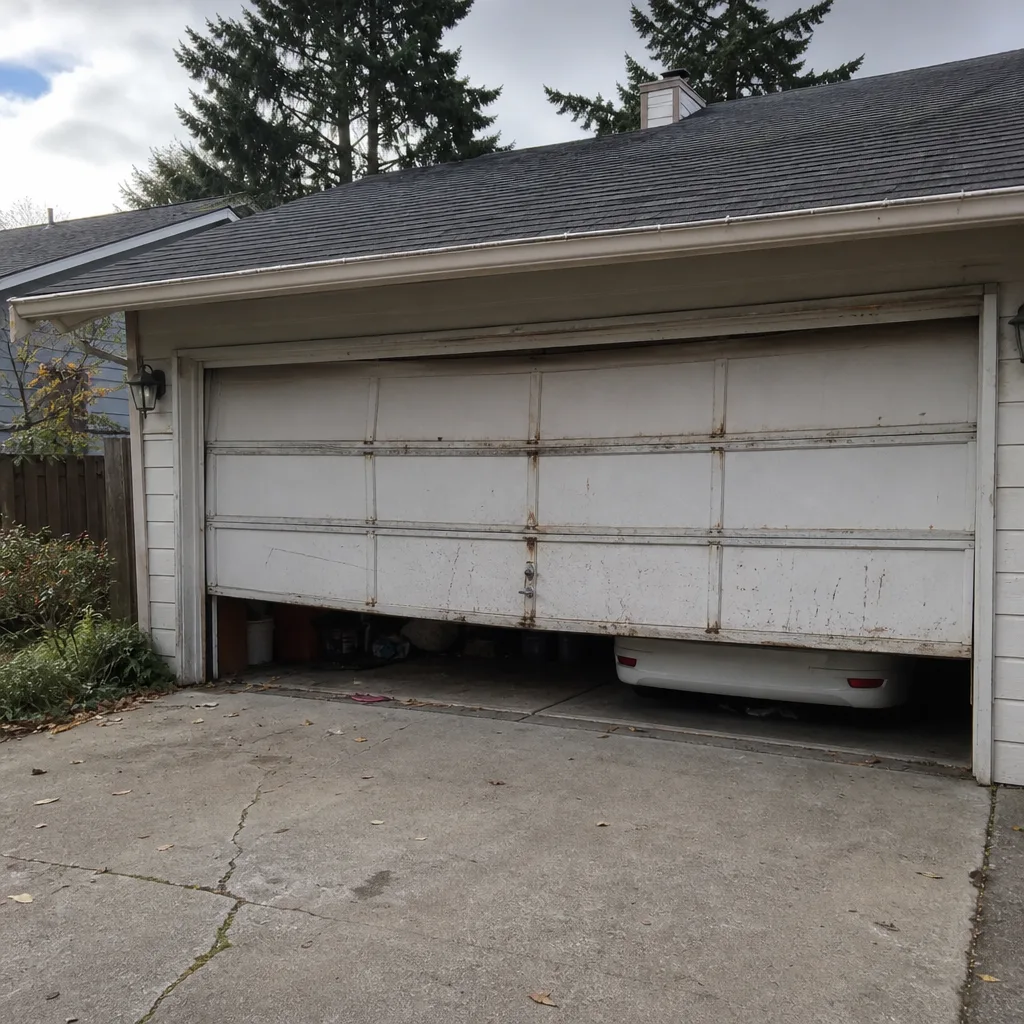 Before
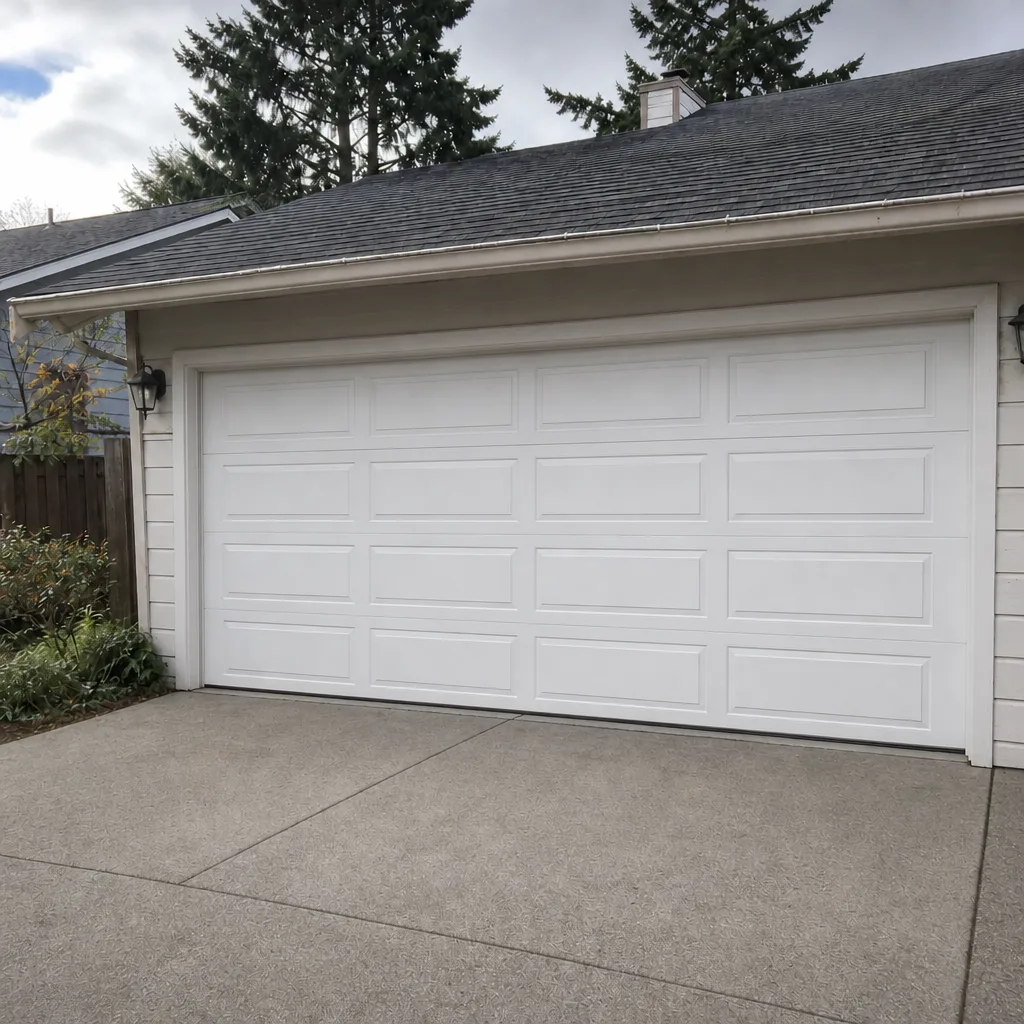 After
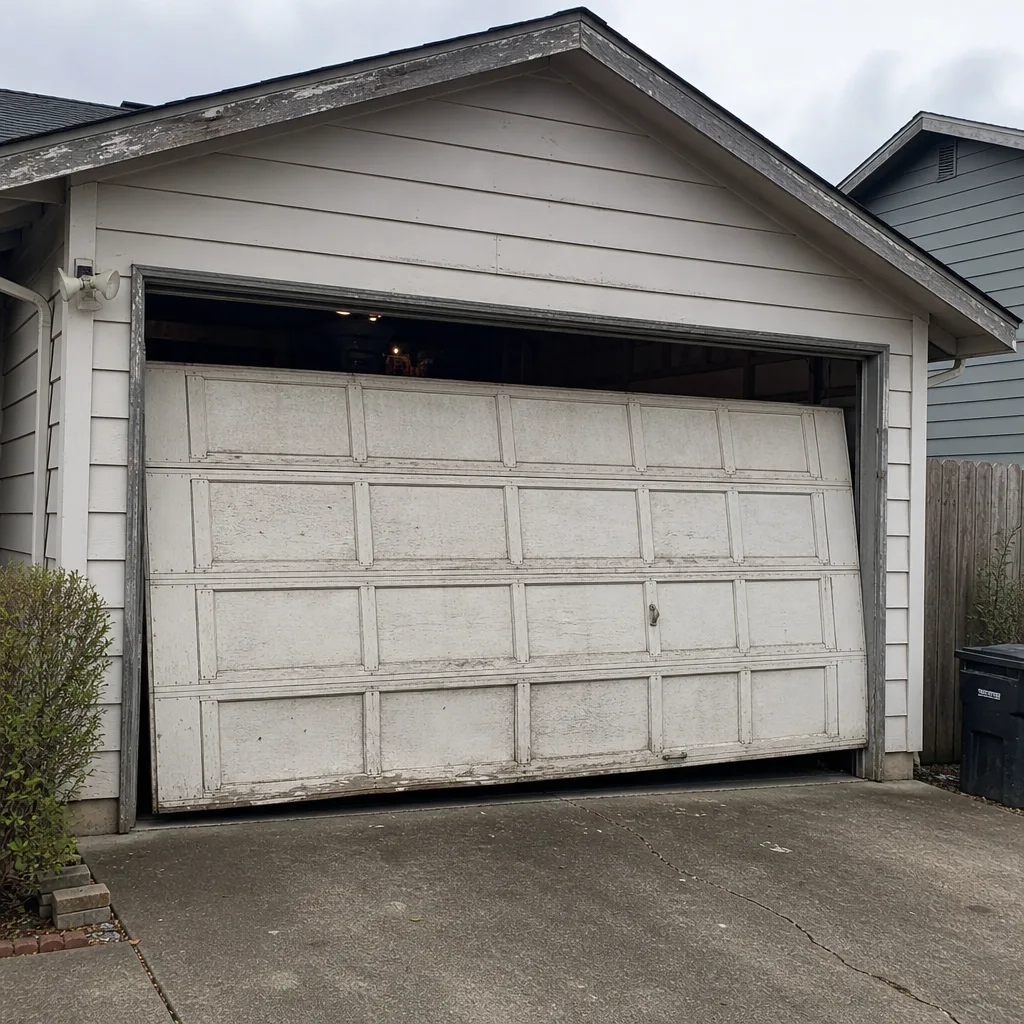 Before
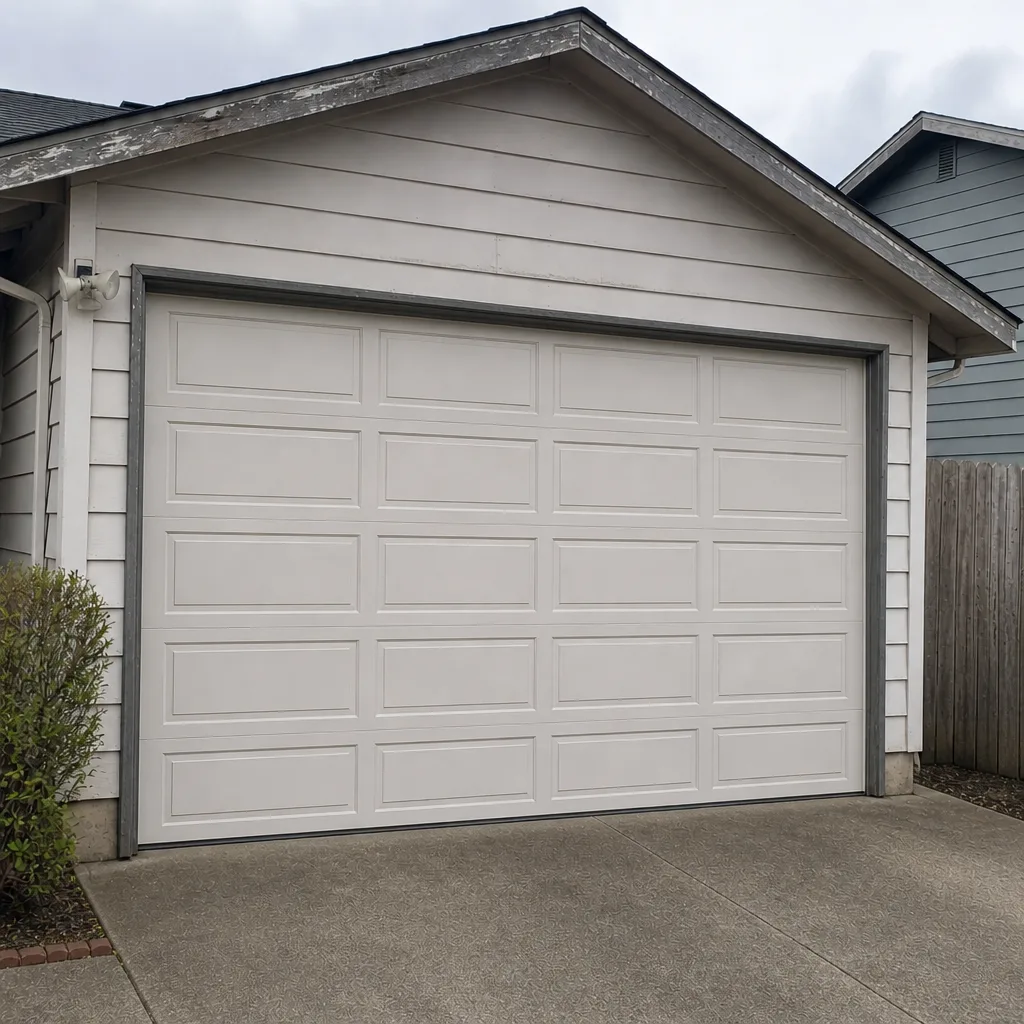 After
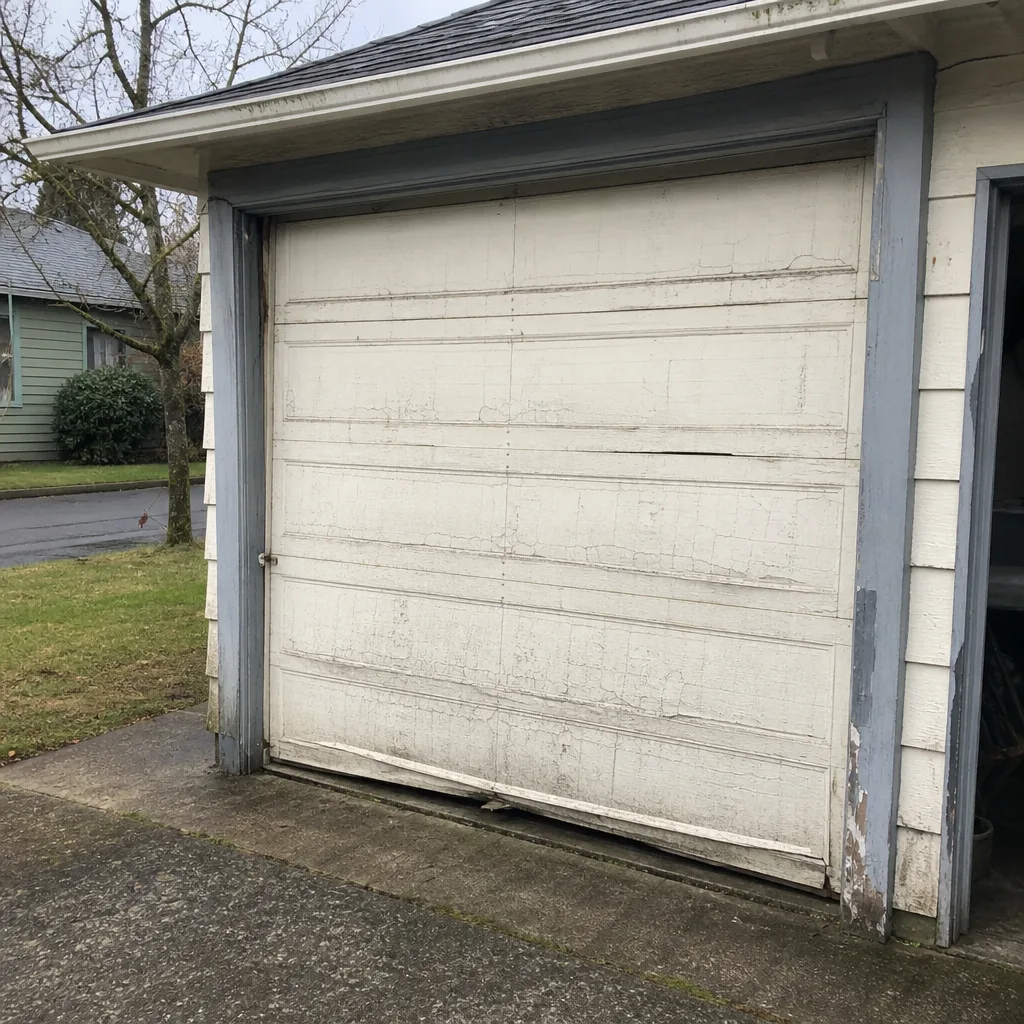 Before
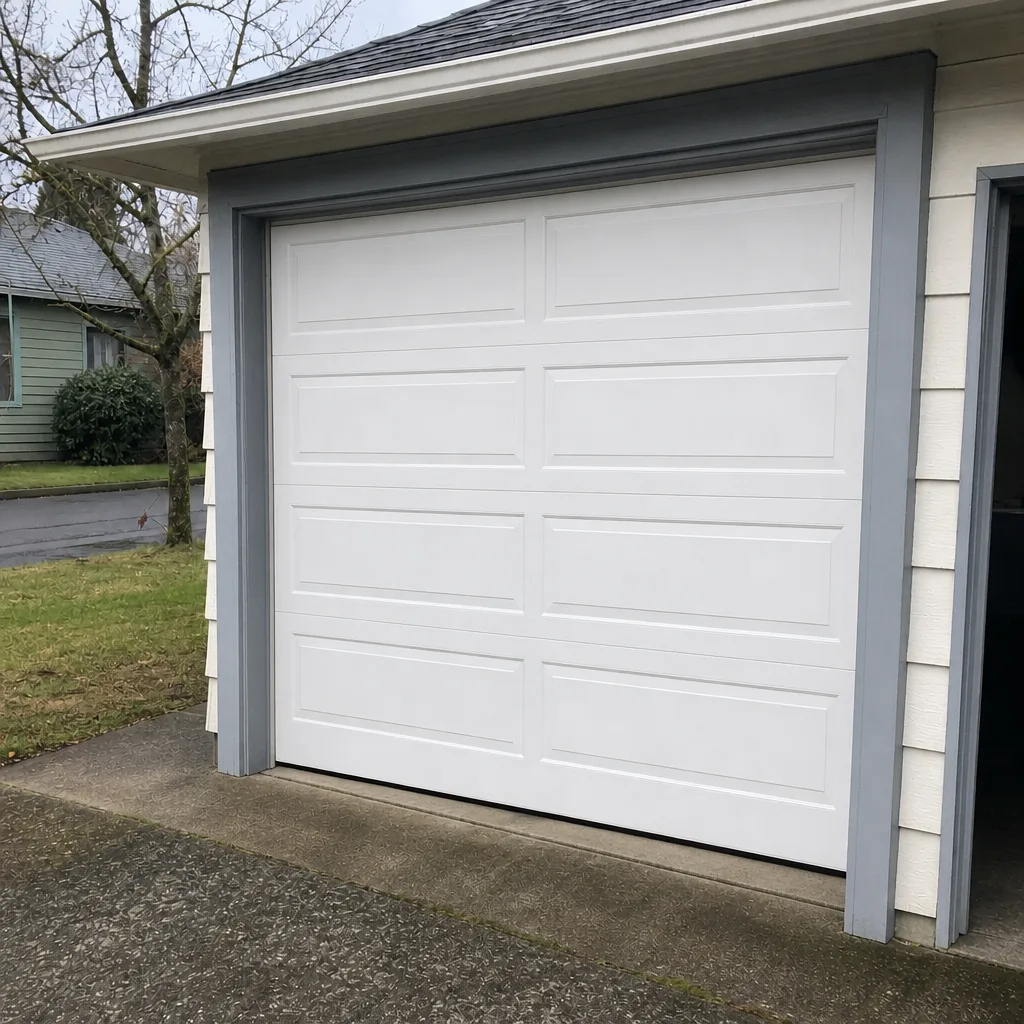 After
When to Call a Professional
Call a technician when the spring breaks, when the door comes off its tracks, when the opener runs but the door doesn’t move, when the safety reverse fails a test, when the door goes up crooked, or when the panels have visibly bent. Call sooner when you’re on a west-facing lot and you’re seeing rust creep along the bottom panel, or when a door built in the 2000s – 2020s window is hitting a string of failures at once. None of these are homeowner fixes, and the risk profile of a garage door system (spring tension, weight, safety reverse) makes a specialist worth it every time. Blackwell Garage Door Repair offers free estimates in Hillsboro, and we work on what you already have rather than pushing a replacement brand. Call (888) 534-4142. We answer 24/7. Fast dispatch from 7am to 7pm, Sunday through Friday.
Frequently Asked Questions
Not a different door system, but the panel finish, weather seal, and hardware matter more on wetter lots than a generic Oregon guide accounts for. Homes on the western slopes and hills catch more rain-driven moisture than homes in the drier Tualatin Valley corridor, and that difference changes the maintenance interval and the panel finish that holds up longest.
Because builder-grade springs, openers, and rollers are cycle-limited, not calendar-limited, and a home cycling its door four times a day will wear through builder-grade components within roughly fifteen years. The 2000 – 2020 construction wave means entire subdivisions are hitting the same end-of-life window together.
Look at the door’s edge and the spring. A thin steel skin with visible seams, a lighter track, and a spring that isn’t labeled with a cycle count is usually builder-grade. A heavy-gauge skin with insulated core, a labeled spring, and heavier hinges is a step up. If you don’t know, a technician can usually tell you in a minute.
It’s worth it in an attached garage under living space, where the insulation keeps the room above warmer in winter. In an attached garage that isn’t under living space, or a detached shop, insulation is a comfort decision more than a payback decision. The seal around the door matters at least as much as the insulation.
Every three to five years on a wet west-facing lot and every five to seven years on a drier lot. Any time the seal shows visible cracks, flat spots, or daylight underneath the closed door, replace it before the wet season starts.
Sometimes. Spring, roller, and opener repairs are usually same-day on brands with good parts availability, which in Hillsboro means LiftMaster, Chamberlain, and Genie most reliably. Panel replacements and full door installs are measured and scheduled, since the door has to be ordered. Call (888) 534-4142 for an exact quote. Estimates are free.
The Bottom Line
Garage doors in Hillsboro aren’t one market. They’re several. The lot orientation, build year, garage type, and brand on the wall each change the right answer, and a guide that treats them as the same thing gives homeowners advice that fails in practice. Match the finish and seal to your lot. Treat builder-grade doors from the 2000s – 2020s as a cohort, not a coincidence. Know your brand and model before it fails. And remember that the panel and seal do most of the work that insulation gets credit for. If you want a straight answer on what your specific door needs, get an estimate before the next failure.
Call Blackwell Garage Door Repair at (888) 534-4142 for a free estimate on garage door repair, garage door opener repair, or a new garage door installation. We answer 24/7. Fast dispatch from 7am to 7pm, Sunday through Friday. Every brand, every fix, the same focused trade. If you’re elsewhere in the metro, start with Hillsboro and we’ll point you to the right local page.
Written by the team at Blackwell Garage Door Repair.